
TL;DR

Get home appliances delivered free with Prime
- Fast, free delivery on millions of items
- Prime Video, Amazon Music and more included
- Member-only deals all year
Matter Alpha’s first-person report describes replacing most of an apartment’s older Zigbee smart-home devices with Matter products during the first month in a new home. The writer reports broad use across lighting and controls, but says some Matter-exposed switches lack features available through other protocols; the supplied source excerpt does not document every planned device category or provide independent performance testing.
Matter Alpha’s first-month report on a new apartment describes replacing most of the writer’s older Zigbee smart-home equipment with Matter devices for lighting and controls, while retaining a mix of controller platforms. The account says the setup worked well enough to run the home, but some switches exposed through Matter lacked features the writer wanted, highlighting that a shared connectivity standard does not guarantee identical device capabilities across platforms.
The writer says the move provided a chance to rebuild the smart home rather than carry forward a setup based on older protocols. They started with existing controllers and network credentials, removed most old device entries, and made Home Assistant the primary controller for adding Matter products. Devices needing manual phone control were then shared with Apple Home, while Home Assistant Link was used for Google Home and Amazon Alexa. The report describes this as the writer’s chosen arrangement, not a universal requirement for Matter homes.
Lighting and wall controls came first. The writer replaced Zigbee wall switches with Aqara H2 and Dimmer H2 models using Thread, reporting that about 10 switches and dimmers had been installed to operate fans, lights and ceiling fixtures. The account says these models were useful for retrofitting because some support wiring without a neutral wire. It also reports limitations: the switches did not offer a decoupled relay mode for smart-bulb automations, and dimmer configuration was limited when the devices were exposed through Matter.
The lighting setup also included Govee and Nanoleaf ceiling fixtures, IKEA pendants and smart bulbs from IKEA and Zemismart, plus a Dreame light strip and floor or table lamps fitted with bulbs from Aqara, Yeelight, AiDot and IKEA. The writer says they reduced reliance on standalone Zigbee bridges, using software options such as eWeLink Cube and Homey Self-Hosted Server for some proprietary local-network devices. The supplied source excerpt does not include the full account of climate, sensors or power monitoring, despite identifying those as intended parts of the broader setup.
Matter’s Feature Gaps at Home
The account offers a practical example of the difference between cross-platform connectivity and feature parity. Matter can help devices from different manufacturers communicate with smart-home controllers, but the writer’s experience suggests that a device’s advanced options may not all be available through Matter. For shoppers, the implication is that compatibility labels alone may not answer whether a specific automation or setting will work in a chosen ecosystem.
The report also points to a trade-off in replacing older hubs. Fewer bridges can reduce equipment and management overhead, as the writer says happened in this apartment. But removing devices or changing protocols can also mean losing capabilities that were available in the previous setup. The article is a single user’s account, not a controlled comparison or a measure of Matter reliability across homes.
Products Worth Considering

Philips Hue Bridge Pro Smart Lighting Hub
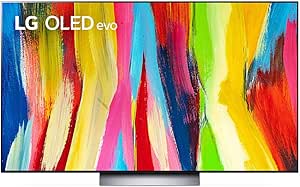
LG C2 Series 65-Inch OLED evo 4K Smart TV (OLED65C2PUA, 2022)

Bose Lifestyle Ultra Wireless Home Speaker
As an affiliate, we earn on qualifying purchases.
A Rebuild Around Matter
The writer moved into a larger apartment and used the move to rethink a smart-home system that had included Zigbee equipment, HomeKit fixtures and some Matter lamps. Rather than adding Matter only to the existing setup, they say they replaced nearly all of the older Zigbee gear over the first month. That timeline matters: the report captures an early-stage installation, not a long-term assessment of reliability or maintenance.
The account describes a mixed-controller approach rather than a single-vendor home. Home Assistant handled initial device setup, with selected devices shared to Apple Home and connections to Google Home and Amazon Alexa managed through Home Assistant Link. The writer also says some bridges and hubs became unnecessary as Zigbee use declined, while software-based systems remained for bridging certain devices. These details show how the reported setup combines Matter with existing platforms and products.
““When adding new Matter devices, I always start with Home Assistant as the primary controller.””
— Matter Alpha report author
Limits of the First-Month Account
The source is a first-person report, and the supplied material does not include independent tests, detailed reliability measurements or a complete inventory of every device category. It does not establish whether the switch limitations stem from Matter itself, the particular devices, their firmware, or how they were exposed to each controller. Nor does the excerpt specify a publication date, firmware versions, or whether later software updates changed the reported behavior.
The title refers to what “still doesn’t work,” but the provided text ends partway through its lighting-device details. It therefore does not support a full account of every unresolved issue or the writer’s conclusions about climate equipment, sensors and energy monitoring. The number of installed wall switches is the only explicit count in the supplied excerpt; there is no broad comparison baseline or quantified performance result.
Further Testing and Device Choices
The report says the writer was continuing to set up the apartment and looking for alternatives to the neutral-free wall switches. The next practical steps described are to assess other switch options and continue building out the system beyond its initial lighting work. No schedule for those changes or specific replacement products is given in the supplied material.
For readers considering a similar setup, the account suggests checking the exact functions supported by a device in the intended controller before replacing working equipment. Whether the reported feature gaps are addressed will depend on device and platform updates, but the source does not identify any announced fixes or dates.
Key Questions
What did the writer set up during the first month?
The report details smart lighting and wall controls, including Aqara Thread switches and dimmers, ceiling fixtures, smart bulbs, lamps and a light strip. The author also describes using Home Assistant with Apple Home, Google Home and Amazon Alexa connections.
What did the writer say was not working as expected?
The author said the Aqara switches lacked a decoupled relay mode for smart-bulb automations and offered very limited dimmer configuration when exposed through Matter. These are reported limitations in one installation, not a finding that all Matter switches have the same issues.
Did the writer replace every hub?
No. The report says several standalone bridges were no longer needed as the writer used less Zigbee, but software options such as eWeLink Cube and Homey Self-Hosted Server remained for bridging certain devices. Home Assistant was used as the primary controller for new Matter devices.
Does the report prove that Matter is less capable than Zigbee?
No. It records one author’s experience with particular switches and platforms. The supplied material does not provide controlled tests or enough information to determine whether the limits arose from Matter, device firmware, controller support or setup choices.
Source: matteralpha.com