To keep your small space tidy with minimal effort, dedicate five minutes daily to focused decluttering. Concentrate on one area at a time, like the kitchen counter or coffee table, and use storage solutions like bins or baskets to hide clutter instantly. Be ruthless about discarding unused items, and return things to their designated spots. Simple, consistent habits prevent messes from piling up. Keep going, and you’ll discover even more effective tips to maintain your space effortlessly.
Key Takeaways
- Dedicate five minutes daily to tidy one specific area, like a countertop or coffee table.
- Use storage solutions such as baskets or bins to quickly hide clutter out of sight.
- Immediately put away misplaced items to prevent buildup and maintain order.
- Focus on decluttering ruthlessly by removing unused or unnecessary items regularly.
- Keep surfaces clear by returning items to their designated spots after each use.

Clutter can quickly take over your space, making it harder to focus, relax, or get things done. When your small space feels chaotic, it’s tempting to think you need hours of deep cleaning, but often, a quick daily routine can make all the difference. By dedicating just five minutes each day to tidying up, you can maintain a clutter-free environment that feels calm and inviting. The key is to incorporate simple storage solutions and effective decluttering tips into your routine, so clutter doesn’t pile up over time.
A five-minute daily routine keeps small spaces tidy and peaceful.
Start by setting a timer for five minutes and focus on one specific area each day. For example, your coffee table or kitchen counter. Use storage solutions like bins, baskets, or drawer organizers to quickly corral loose items. These tools make it easier to tidy up in a flash, and storing things out of sight instantly reduces visual clutter. When you notice items that don’t belong or are out of place, take a moment to put them away immediately. The goal is to stop clutter from accumulating rather than letting it build up into a mountain later.
Decluttering tips that work well in small spaces include being ruthless with what you keep. Ask yourself if you’ve used an item in the past month or if it truly adds value to your daily life. If not, it’s time to donate, recycle, or discard. Regularly rotating items, like kitchen gadgets or clothing, helps prevent clutter from creeping into your space. Keep flat surfaces clear by returning things to their designated storage spots after each use. This habit makes your space feel more organized and easier to maintain with minimal effort.
Incorporating smart storage solutions like vertical shelving or multi-purpose furniture can further optimize your space and reduce clutter. Labeling bins and containers makes it easier to find what you need quickly, so you’re not wasting time searching through clutter. Remember, the goal isn’t perfection but consistency. A few minutes daily keeps clutter from taking over and transforms your space into a more peaceful area.

INGHUA Rectangular Storage Basket Fabric Organizer Bin for Toys,Books,Clothes,Gifts,Pets-Perfect for Home,Office,Nursery,Dorm,Shelf(Rec Spaceships)
Material:Made of high-quality Polyester canvas + linen fabric fabric , waterproof.
As an affiliate, we earn on qualifying purchases.
As an affiliate, we earn on qualifying purchases.
Frequently Asked Questions
How Can I Start Decluttering if I Feel Overwhelmed?
If you feel overwhelmed, start with mindful sorting by choosing one small area, like a drawer or shelf. Take your time, and focus on your emotional attachment to each item. Ask yourself if it truly adds value to your life. Break the process into quick, five-minute sessions, and celebrate small wins. Over time, this steady approach helps reduce stress and makes decluttering manageable and even satisfying.
What Storage Solutions Work Best for Small Spaces?
Ironically, the best storage solutions for small spaces involve embracing cleverness over clutter. You should try creative storage options like wall-mounted shelves, under-bed containers, or multi-functional furniture. Space-saving furniture such as fold-out beds or ottomans with hidden compartments maximizes every inch. These solutions keep your space organized, stylish, and functional—proving that smart storage can turn a tiny chaos into a cozy haven.
How Often Should I Schedule Decluttering Routines?
You should schedule decluttering routines at least once a week, using effective organizing techniques and decluttering tools. Set aside five minutes daily to tidy up, and dedicate a longer session every seven days to reassess and clear out unnecessary items. This consistent approach keeps small spaces manageable, prevents clutter buildup, and makes organizing easier. Regular routines guarantee your space stays neat and inviting without overwhelming you.
How Do I Maintain Motivation for Daily Tidying?
To stay motivated for daily tidying, try using motivational strategies like setting small, achievable goals and rewarding yourself for consistency. Find accountability partners—friends or family members who can encourage you and check in regularly. Visualize the benefits of a clutter-free space, and remind yourself that these routines save time and reduce stress. Keep it fun and remind yourself why maintaining tidiness matters to you.
Can Decluttering Improve Mental Health?
You might find it ironic that decluttering can actually boost your mental health, but it’s true. Clearing your space creates mental clarity and reduces stress, enhancing your emotional well-being. When your surroundings are tidy, your mind feels lighter, helping you focus and feel more in control. So, tidying up isn’t just about neatness—it’s a powerful way to nurture your emotional health and clear mental fog.

Modern Narrow Organizer Storage Bin, Clear Plastic Household Storage Container for Kitchen Pantry storage, Under Sink Bin, Bathroom/Laundry Room – Made In USA – 2 Pack (Narrow – 13” X 9” X 6”)
Storage Bins are a multi-purpose storage solution with a simple and classic style! The versatility of these bins…
As an affiliate, we earn on qualifying purchases.
As an affiliate, we earn on qualifying purchases.
Conclusion
By spending just five minutes each day on these simple routines, you’ll keep your small space organized and clutter-free. Remember, a little effort goes a long way, and staying consistent is key. Think of it as tending a garden—you reap the rewards when you nurture it regularly. Don’t let clutter pile up; instead, take charge now. A tidy space isn’t just neat—it’s a revitalizing change that makes your day run smoother.
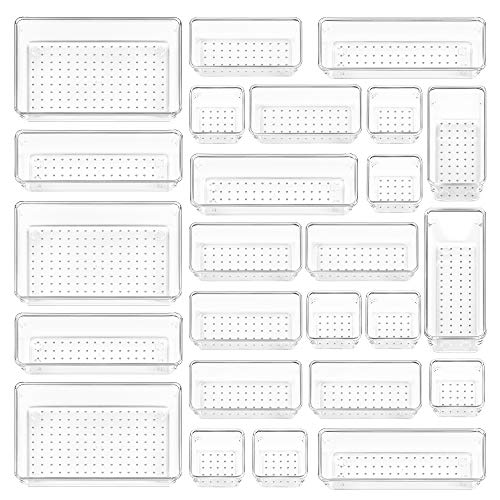
Vtopmart 25 PCS Clear Plastic Drawer Organizers Set, 4-Size Versatile Bathroom and Vanity Drawer Organizer Trays, Storage Bins for Makeup, Bedroom, Kitchen Gadgets Utensils and Office
✔Make Everything Organized — These clear versatile drawer dividers trays are perfect for any place in your home….
As an affiliate, we earn on qualifying purchases.
As an affiliate, we earn on qualifying purchases.

SINGAYE Metal Shelves Wire Shelving:Storage Rack Standing Units Shelf for Kitchen Laundry Bathroom Closet Organizers Pantry Narrow Mesh Adjustable 10" D x 16" W x 55" H Black
The shelves are more densely arranged, which increases the load-bearing capacity, and the smaller gaps are more suitable…
As an affiliate, we earn on qualifying purchases.
As an affiliate, we earn on qualifying purchases.