
TL;DR

Get home appliances delivered free with Prime
- Fast, free delivery on millions of items
- Prime Video, Amazon Music and more included
- Member-only deals all year
Miles Plug is a $99 OBD-II device that reports a car’s location, driving events and vehicle-health information through an app, with accident response and roadside assistance included in paid memberships. The Verge’s reviewer found setup straightforward and tested trip logs and alerts, but said the trial lasted only a few days and did not establish battery impact or emergency-service performance.
The Verge tested Miles Plug, a $99 device that connects to a car’s OBD-II port and reports location, driving activity and vehicle-health information in an app, alongside paid membership services that include accident response and roadside assistance. The product is aimed in part at families with teen drivers, but the brief test did not establish how well its emergency services work or how the device affects a car battery over time.
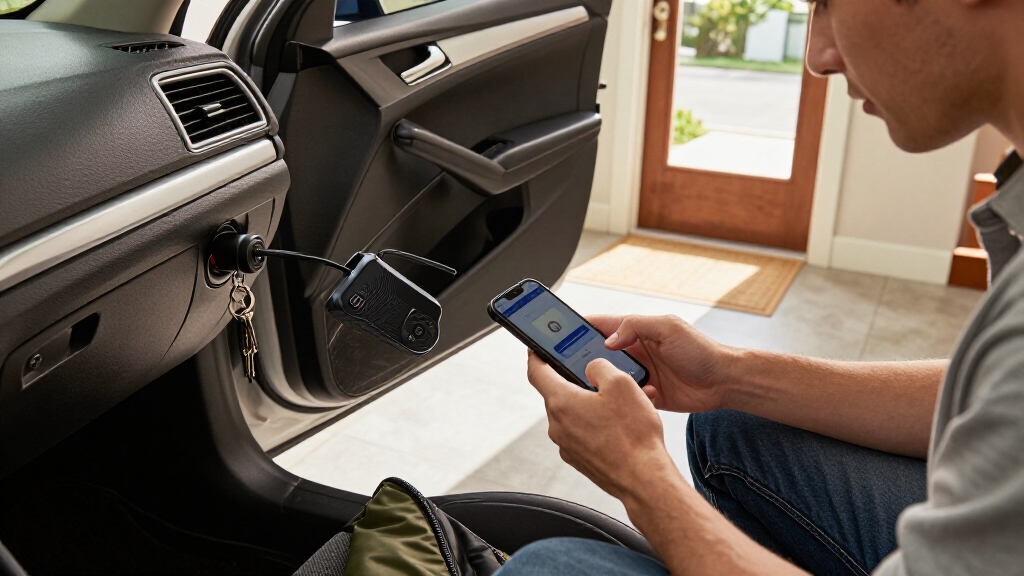
The cellular- and GPS-enabled plug is designed for most gas and hybrid cars from 2008 onward, as well as some electric vehicles, according to Miles. Its app logs trips and can send alerts for events such as speeding, hard braking and arrival or departure. It also displays vehicle information and offers an AI chatbot, Miles Mechanic, that interprets warning lights and estimates maintenance needs and repair costs.
The Verge reviewer installed the device in a 2014 Toyota Highlander and said setup was simple. During a few days of use, the app recorded routes, distances and trip times, and sent home-arrival and departure alerts. It also flagged hard acceleration and several hard-braking events. The reviewer tested the chatbot’s maintenance guidance, but did not report a longer-term assessment of its accuracy.
The device costs $99, plus $180 for one year of membership, for a stated total of $279. A three-year plan costs $396 with the plug included, according to the report. Miles says plans are paid upfront and do not automatically renew. The app supports individual driver profiles, and the company says subscribers can download data, stop location collection or delete an account and its information.
Tracking Families Without Car Data Sales
Miles combines several functions families might otherwise get from separate products: vehicle location, driving alerts, basic health information and assistance services. For parents of new drivers, trip and braking notifications could provide practical information without installing an in-car camera. That may feel less intrusive to some families, though shared tracking still raises questions about consent and how parents and teen drivers use the app.
Its privacy pitch also speaks to concerns about connected-car data. Miles cofounder Matt McGovren told The Verge that the company will not sell vehicle, trip or location data and that the app has no advertising. Those are company commitments, not independently verified findings in the review. Buyers also pay recurring membership fees, so the product’s usefulness depends on the services remaining available and the company continuing to operate.
The upfront pricing is higher than the $99 device cost alone suggests: the one-year option comes to $279 in total, while the longer plan requires a $396 upfront payment. Readers weighing it against existing roadside or family-location subscriptions should compare the precise coverage and limits, which the source report does not detail.
As an affiliate, we earn on qualifying purchases.
A Connected-Car Service With Prepaid Plans
Miles was founded by Matt McGovren and Kit Klein, who have worked in smart-home and connected-device companies, including Wink and Amazon’s Ring and Blink businesses, according to The Verge. The product resembles earlier OBD-II devices that combined vehicle monitoring with mobile connectivity. The report points to Automatic Pro, which launched in 2016 and whose service shut down in 2020, as a warning about the risk of relying on a connected-car startup.
McGovren said Miles charges for membership upfront partly to avoid a business model dependent on finding revenue later. He told The Verge that the company is well capitalized, but the report does not provide financial records or independent evidence about its ability to sustain service. Miles says it works with most gas and hybrid vehicles made in 2008 or later, with some EV compatibility; buyers can check their vehicle before ordering.
The reviewer had not yet added the teen driver to the app during the test, so the report did not assess how driver identification works when multiple people use the same car. Its observations describe a short hands-on review, not a controlled safety or reliability study.
“We built Miles to support teens and parents together, and keep them on the same team.”
— Matt McGovren, Miles cofounder, in a company press release
As an affiliate, we earn on qualifying purchases.
Battery Life and Service Reliability
The reviewer used Miles for only a few days and said that was not long enough to assess battery drain, a concern with some devices that remain connected to a car. McGovren said the plug sleeps when the car is off and advised removing it if the vehicle will not be driven for an extended period. The report includes no independent battery measurements.
The review also did not test whether Miles correctly detects a crash, how quickly help is dispatched, what roadside assistance covers, or how emergency response works in practice. It does not establish the accuracy of the AI mechanic’s advice across vehicles or fault types. The company’s privacy and encryption claims were not independently verified in the report, and its long-term ability to keep the service operating remains uncertain.
As an affiliate, we earn on qualifying purchases.
Longer-Term Use Will Test the Pitch
The next meaningful test is whether Miles performs reliably beyond initial setup: whether alerts arrive consistently, the device has a measurable effect on vehicle batteries, and roadside or accident-response services work as described when needed. Families considering it can check vehicle compatibility and review the membership terms and assistance coverage before paying.
The Verge’s reviewer said they planned to add their daughter’s phone and observe how the app handles more than one person in the vehicle. The source report provides no schedule for further testing, and Miles had not announced a next product milestone in the material provided.
As an affiliate, we earn on qualifying purchases.
Key Questions
What does the Miles Plug do?
It plugs into a car’s OBD-II port and connects to an app to show trip and location information, driving alerts and vehicle-health details. Miles also offers an AI maintenance chatbot and includes accident response and roadside assistance through paid membership plans.
How much does Miles Plug cost?
The device costs $99. The one-year membership costs an additional $180, bringing the stated total to $279. A three-year plan costs $396 with the plug included, according to The Verge’s report.
Does Miles sell location or driving data?
Cofounder Matt McGovren told The Verge that Miles will not sell vehicle, trip or location data and that the app has no ads. The report describes this as the company’s commitment; it does not include an independent privacy or security audit.
Which cars are compatible?
Miles says the device supports most gas and hybrid cars made in 2008 or later and some electric vehicles. The company offers a compatibility checker for specific models.
Has the device’s battery impact been established?
No. The Verge reviewer said a few days of testing was not enough to evaluate battery drain. McGovren said the device sleeps when the car is off and advised removing it if the car will sit unused for a while, but the report provides no independent measurements.
Source: rss
NFL season / tailgating Picks
team gear
As an affiliate, we earn on qualifying purchases.