
TL;DR

Get home appliances delivered free with Prime
- Fast, free delivery on millions of items
- Prime Video, Amazon Music and more included
- Member-only deals all year
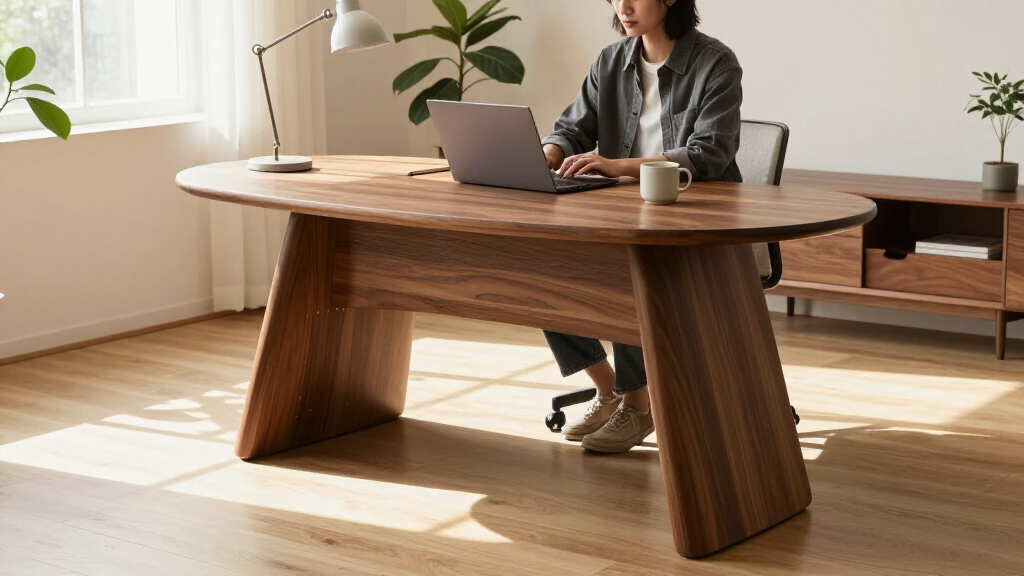
Livingetc reports that three interior designers have used bean-shaped desks in recent projects, including small studies and compact rooms. The designers say the curved profiles can make layouts feel less rigid and allow a desk to sit in a corner, but the article does not provide sales data or establish how widespread the trend is.
Livingetc has spotlighted bean-shaped desks as a design choice for compact home offices, drawing on projects by three interior designers who say curved edges can help a desk fit into a corner or soften an angular room. The examples show how designers are using the shape; they do not establish how common the style is or whether it measurably saves space.
In the report, architect and interior designer Félix Millory describes choosing Ethnicraft’s Mahogany Dark Brown Boomerang Desk for a compact space where he wanted a piece “without edges.” He says the shape supported the room’s flow and movement. The article does not give dimensions or compare the desk’s usable surface area with a conventional rectangular model.
Kasia Kronberger, founder of Studio Bosko, used Audo Copenhagen’s Eclipse Desk in natural oiled oak in a client’s office. She says its curved form worked alongside rounded elements elsewhere in the room and helped counter the geometry of a square floor plan. The report presents this as her design rationale, not as a measured ergonomic finding.
Interior designer Laurie Blumenfeld designed a bespoke bean-shaped desk with a custom ombre stain for a small study within a client’s primary bedroom. She says placing it in a corner preserved more room for the bedroom. Livingetc also lists commercially available styles from brands including Habitat, La Redoute, Ferm Living and Kartell, but gives no comparative prices, dimensions or availability information.
How Curves Change a Small Study
The examples matter to readers planning a home office in a limited footprint because they show one way designers are addressing the tension between needing a work surface and keeping a room from feeling crowded. A curved outline may make a desk feel less imposing in a corner or among other rounded furnishings, according to the designers quoted.
That is a design judgment, not proof that bean desks fit every small room better. Buyers still need to check the desk’s dimensions, storage, legroom and work-surface area against their needs. The report does not compare these desks with rectangular alternatives or offer evidence that the shape improves productivity or ergonomics.
As an affiliate, we earn on qualifying purchases.
From Temporary Setup to Designed Office
The Livingetc report frames the examples against the growing attention paid to work-from-home interiors, describing home workspaces as more considered than temporary setups. Its focus is not a product launch or a formal industry survey, but a design report based on interviews with three practitioners and photographs of their projects.
The designers’ projects share a practical setting: compact or angular rooms, including a study placed within a bedroom. Their choices vary from a named retail desk to a custom-made piece. The article also mentions Feng Shui as a possible interpretation of the desk’s softer lines, but that is presented as design context rather than evidence of a specific effect.
““We needed something without edges due to the compact size of the space we had to furnish.””
— Félix Millory, architect and interior designer
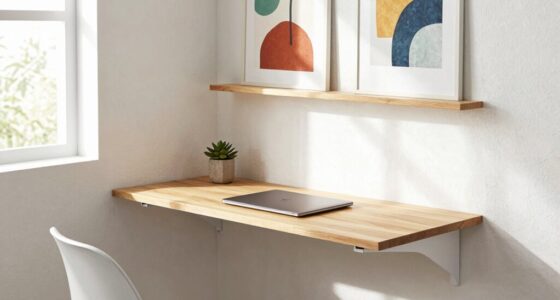
curved corner desk for home office
As an affiliate, we earn on qualifying purchases.
As an affiliate, we earn on qualifying purchases.
What the Design Report Cannot Show
The source does not state when the report was published, how many designers were approached, or whether the examples represent a broader market trend. It offers no sales figures, survey results or data showing that bean-shaped desks are more popular than other designs.
It is also unclear whether the desks shown are available in the same finishes or configurations now. The article provides a selection of products but no prices, stock status, measurements or standardized tests of ergonomic performance. Claims about improved flow, comfort or space should be understood as the designers’ assessments, not independently verified outcomes.
As an affiliate, we earn on qualifying purchases.
Check Fit Before Choosing a Desk
For readers considering the style, the next step is to compare a desk’s published measurements with the room, chair and equipment it needs to accommodate. A curved edge may change how the desk sits in a corner, but its footprint and usable surface vary by model. The source does not announce a follow-up study, new product release or other upcoming milestone.
rounded edge desk for compact room
As an affiliate, we earn on qualifying purchases.
As an affiliate, we earn on qualifying purchases.
Key Questions
What is a bean-shaped desk?
It is a desk with a curved, irregular outline, rather than the straight rectangular edges common in traditional desks. The exact shape and dimensions differ by product.
Why did the designers choose this shape?
The three designers cited in Livingetc describe using curved desks to soften angular rooms, coordinate with rounded furnishings or place a desk in a compact corner. Those are project-specific design reasons, not guaranteed benefits for every room.
Does a bean desk save space?
The report includes designers who say the shape helped them use corners or preserve room in a bedroom. It provides no measured comparison with rectangular desks, so buyers should check the footprint and usable work area of each model.
Which desks are mentioned in the report?
The examples include Ethnicraft’s Boomerang Desk and Audo Copenhagen’s Eclipse Desk, as well as a custom desk designed by Laurie Blumenfeld. Livingetc also lists options from several other furniture brands.
Source: rss
Fall yard work Picks
leaf blowers
As an affiliate, we earn on qualifying purchases.