TL;DR
A Livingetc contributor describes selling her family farmhouse in 2024, leaving behind a kitchen she had reshaped over a decade, and downsizing to a smaller York home. She later rebuilt a kitchen around lessons from the old one, including prioritizing warm lighting and combining vintage pieces with practical design.
Livingetc contributor Lisa Dawson recounts leaving behind a kitchen she had personalized over a decade when her family sold its large farmhouse in 2024 and moved to a smaller home in York. Her account describes how downsizing forced her to part with treasured objects and a large antique workbench, then informed the design of a new kitchen built around different needs.

Get home appliances delivered free with Prime
- Fast, free delivery on millions of items
- Prime Video, Amazon Music and more included
- Member-only deals all year
Dawson said the former home had become larger than her household needed after two of her three children went to university. The Georgian detached farmhouse had extensive grounds and a converted barn apartment, and maintaining it was costly when the family was using only part of the property. The family sold to a couple with six children and moved to a Victorian terraced house with a courtyard garden and less space.
The kitchen in the farmhouse had been in place when Dawson moved in, but she updated it over the years, changing its work surface, tiles, flooring and cupboard doors. She said she painted the doors several times, including lilac, pale green, navy and sandy yellow. A converted French shop counter, more than two metres long, served as a workbench and gathering point, but was too large to take to the new house.
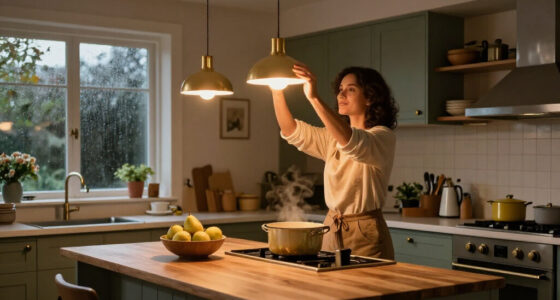
About a year after the sale, the new owners invited Dawson back for dinner. She said the room still looked familiar, though the new owners had added their own art and accessories. In the York house, she later removed the existing kitchen and knocked down walls during a renovation she continued after her marriage ended. She replaced spotlights with ceramic wall lights and table lamps, drawing on what she had learned about how she wanted the room to feel.
How a Kitchen Shapes Daily Life
Dawson’s account shows how moving can involve more than sorting belongings: a kitchen can carry memories of family routines and gatherings, even when fixtures and furniture cannot come along. In her case, the farmhouse kitchen had hosted family life, social events and gatherings during lockdown, and included a height chart marking her children’s growth.
The practical lesson is also specific to the move: a smaller home required a sharper choice about what to keep, while rebuilding offered a chance to adapt the room to changed circumstances. Dawson’s experience suggests that lighting, storage and personal objects can help preserve a sense of character without reproducing the old kitchen exactly.
Products Worth Considering

Philips Hue Bridge Pro Smart Lighting Hub, 1-Pack

Philips Hue Play Floor Lamp, RGBWWIC LED, 53 Inch, Black

Bose SoundLink Plus Portable Bluetooth Speaker, Black
As an affiliate, we earn on qualifying purchases.
From Farmhouse to York Terrace
The move followed a change in household size. Dawson said two children were at university and the farmhouse no longer suited the family of three who remained. The property’s large rooms and grounds brought upkeep costs, while the family used only about half the space. The buyers, a couple with six children, could make use of the larger home.
The new house had previously belonged to a chef who ran supper clubs, according to Dawson, and came with three ovens and substantial storage. She initially planned to renovate it. The kitchen she eventually created was smaller in scale than the farmhouse one, but she said she wanted it to retain a similar mix of vintage and contemporary elements.
“I had made it my own, adding art, lamps, and favorite ceramics that I’d picked up on holidays.”
— Lisa Dawson, writing for Livingetc
What the Account Does Not Detail
The report is a personal account, not a survey of homeowners or a market analysis. It does not give the sale price, the renovation budget, the duration of the York project or a detailed account of how the new kitchen performs day to day. Dawson also does not describe the former owners’ later plans for the farmhouse kitchen beyond the changes she saw during her visit.
Settling Into the New Kitchen
Dawson’s report ends with the new kitchen shaped by the renovation and lessons carried from the old one. It does not set out a future project or a further scheduled update. The next chapter described is the everyday use of a room designed for her and her son, with warmer lighting and a smaller footprint than the farmhouse kitchen.
Key Questions
Why did Lisa Dawson leave the farmhouse?
Dawson said the house had become larger than the household needed after two of her three children went to university. Its extensive rooms and grounds were also costly to maintain.
What could she not take to the new home?
She left behind a French shop counter converted into a workbench. It was more than two metres long and too large for the smaller York house.
What did Dawson change in her new kitchen?
She removed the existing kitchen and knocked down walls during the renovation. She also replaced spotlights with ceramic wall lights and counter table lamps.
Did returning to the old kitchen feel strange?
Dawson said it did not feel especially odd. She enjoyed being served dinner and seeing the new owners use the room for the gatherings she had valued there.
Source: livingetc.com