
TL;DR

Get home appliances delivered free with Prime
- Fast, free delivery on millions of items
- Prime Video, Amazon Music and more included
- Member-only deals all year
Architectural Digest reports on emerging trends and innovations redefining residential spaces. Key developments include smart technology integration, sustainable design, and adaptable architecture. The article analyzes how these changes will impact future living environments.
Architectural Digest reports that advancements in smart technology, sustainable building practices, and adaptable design are significantly transforming future residential spaces, affecting how people live, work, and interact at home.
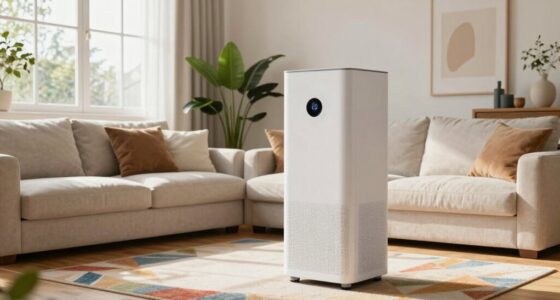
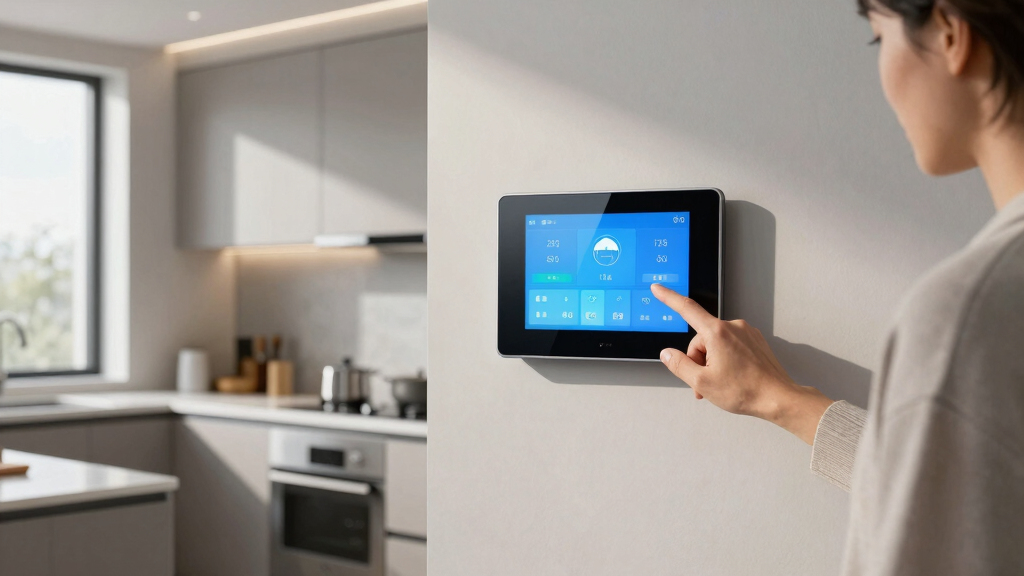
Recent trends indicate a shift toward integrated smart home systems that enhance automation, security, and energy efficiency. Companies and designers are increasingly adopting sustainable materials and green building techniques to reduce environmental impact. Additionally, flexible and modular architecture is gaining popularity, allowing homes to adapt to changing needs and lifestyles.
Experts suggest that these innovations are driven by consumer demand for convenience, environmental responsibility, and customization. Major industry players are investing heavily in research and development to bring these concepts into mainstream residential design, with some projects already under construction or in planning stages.
While these developments are promising, details about regulatory standards, cost implications, and long-term durability are still emerging, and some critics caution that widespread adoption may face hurdles related to affordability and technical complexity.
Impact of Technological and Sustainable Innovations
This evolution in home design signifies a major shift towards smarter, greener, and more adaptable living environments. It could lead to increased energy savings, improved quality of life, and greater resilience against climate change. For homeowners and industry stakeholders, understanding these trends is crucial for future investments and planning, as they herald a new era of residential architecture that prioritizes sustainability and personalization.
As an affiliate, we earn on qualifying purchases.
Recent Trends and Industry Movements in Home Design
Over the past decade, the home building and interior design sectors have increasingly focused on integrating technology and sustainability. The rise of IoT devices, energy-efficient materials, and modular construction methods reflects a broader push toward environmentally conscious and user-centric homes. Major brands and architectural firms are showcasing prototypes and pilot projects that embody these principles, signaling a shift from traditional design paradigms.
According to Architectural Digest, recent expos and industry reports highlight a growing consumer appetite for homes that combine high-tech features with eco-friendly materials. The COVID-19 pandemic accelerated this trend, emphasizing the need for adaptable spaces that support remote work and home-based activities.
“The integration of smart technology and sustainable materials is fundamentally changing how we conceive of the modern home.”
— an anonymous researcher
As an affiliate, we earn on qualifying purchases.
Unresolved Challenges and Regulatory Gaps
While technological and sustainable innovations are advancing rapidly, questions remain about regulatory standards, long-term durability, and cost accessibility. It is not yet clear how widespread adoption will be affected by these factors, and whether current building codes can accommodate new materials and systems. Additionally, the economic implications for homeowners and builders are still being evaluated, with some experts warning of potential barriers to entry for lower-income households.
As an affiliate, we earn on qualifying purchases.
Expected Developments and Industry Adoption Roadmap
Industry leaders anticipate further integration of AI-driven home automation, increased use of renewable energy sources, and more flexible, modular designs in upcoming projects. Regulatory agencies are expected to update standards to better accommodate innovative building practices. Pilot projects and prototypes are likely to expand, offering clearer insights into scalability and affordability. Stakeholders will closely monitor these developments over the coming year to assess practical implementation and market readiness.
As an affiliate, we earn on qualifying purchases.
Key Questions
How will smart home technology evolve in the coming years?
Experts predict increased AI integration, more intuitive user interfaces, and enhanced security features, making homes more responsive and personalized.
What are the main sustainability trends influencing future homes?
Growing use of renewable energy, green building materials, passive design strategies, and water conservation systems are shaping eco-friendly homes.
Are these innovations affordable for average homeowners?
While costs are decreasing, affordability remains a concern. Industry efforts aim to make sustainable and smart features accessible to a broader market.
What regulatory changes are expected to support these innovations?
Building codes are likely to evolve to include standards for new materials, energy efficiency, and safety protocols related to smart systems.
When can we expect these future homes to become mainstream?
Industry insiders suggest that within the next 5 to 10 years, many of these features will be widely available and integrated into new residential developments.
Source: Architectural Digest
NFL season / tailgating Picks
team gear
As an affiliate, we earn on qualifying purchases.