To prepare for fire safety and evacuation in your small apartment, install reliable smoke alarms in key areas and check them monthly. Keep fire extinguishers accessible, especially in the kitchen, and learn how to use them properly. Plan two clear escape routes from each room and keep pathways clutter-free. Practice your escape plan regularly and establish a designated meeting spot outside. Staying aware of safety protocols and upgrading your systems can make a big difference—discover more tips to keep safe.

Get home appliances delivered free with Prime
- Fast, free delivery on millions of items
- Prime Video, Amazon Music and more included
- Member-only deals all year
Key Takeaways
- Install interconnected smoke alarms in key areas and test monthly, replacing batteries annually for reliable early warning.
- Keep a fire extinguisher accessible in the kitchen and learn proper usage for small fires.
- Identify two clear escape routes from each room, keeping pathways unobstructed and practicing escape plans regularly.
- Coordinate with neighbors or management, designate a meeting spot, and keep emergency kits accessible with essentials.
- Stay informed about building safety protocols, participate in safety drills, and review emergency plans periodically.
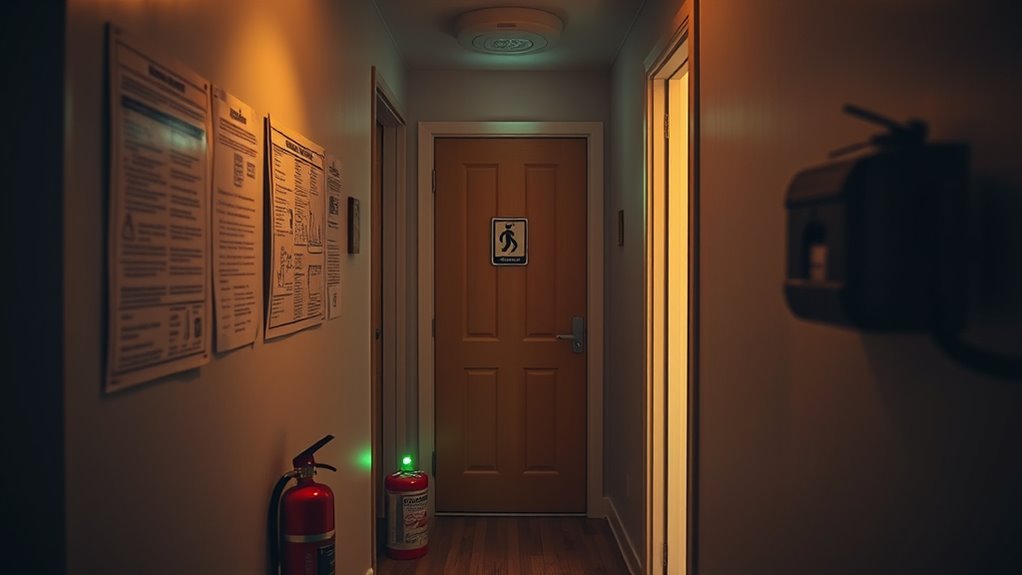
Living in a small apartment can make emergency preparedness seem challenging, but with a few strategic steps, you can stay safe and ready. One of the most critical aspects of fire safety is ensuring you have reliable fire alarm systems installed and functioning properly. Smoke detectors are your first line of defense, alerting you early if a fire starts. Check them monthly, replace batteries at least once a year, and consider interconnected alarms that sound simultaneously if one detects smoke. This way, whether you’re in the bedroom or kitchen, you’ll be alerted promptly. Also, keep a fire extinguisher nearby, especially in the kitchen, and learn how to use it correctly, so you’re prepared to tackle small fires before they escalate.
Equally important is escape route planning. In a small apartment, your options might seem limited, but you need to identify and practice clear escape routes. Visualize two ways out of each room, such as a door leading to a hallway or an emergency window if available. Keep pathways unobstructed—cluttered hallways or furniture can slow down your escape. Know the location of all exits and ensure they’re easy to open in a panic. Practice your escape plan regularly so that it becomes second nature. This includes knowing how to open windows, especially if you live on a higher floor, and having a designated meeting spot outside your building to confirm everyone’s safety.
In addition to planning, inform your neighbors or building management about your emergency plans. Small apartments often mean close quarters, so coordinating with others can add an extra layer of safety. Make sure everyone knows the fire alarm sounds and the escape routes. Keep emergency kits accessible—containing essentials like water, a flashlight, a first-aid kit, and important documents—and know how to grab them quickly during an emergency. Incorporating reliable safety systems into your preparedness plan can significantly enhance your protection during emergencies.
Finally, stay informed about your building’s safety protocols and local fire codes. Participating in safety drills offered by your landlord or property management can boost your confidence and preparedness. Remember, small spaces require smart planning. Fire alarm systems, well-practiced escape routes, and staying aware of your surroundings are your best tools to protect yourself. With these measures in place, you’ll be better equipped to handle emergencies calmly and efficiently, making your small apartment a safer place to live.
interconnected smoke alarm system for small apartments
As an affiliate, we earn on qualifying purchases.
As an affiliate, we earn on qualifying purchases.
Frequently Asked Questions
How Do I Create a Fire Escape Plan in a Tiny Apartment?
To create a fire escape plan in your tiny apartment, start by analyzing your apartment layout to identify all exits. Plan multiple escape routes from each room, ensuring they’re clear and accessible. Practice your escape routes regularly, including how to safely open windows or use a fire ladder if needed. Share your plan with everyone in your apartment, so everyone knows what to do during an emergency.
What Are the Best Fire-Resistant Materials for Small Apartments?
Ever wonder what materials best protect your small apartment from fire? You should consider fire-resistant coatings for your walls and ceilings, which can slow down flames. Flame retardant fabrics are essential for upholstery and curtains, reducing fire spread. These materials provide extra safety without sacrificing style, giving you peace of mind. Wouldn’t you prefer a safer space? Incorporate fire-resistant coatings and flame retardant fabrics to keep your home secure.
How Can I Prevent Fire Hazards in Limited Space?
You can prevent fire hazards by keeping your space organized and free of clutter. Place a fire extinguisher in an accessible spot, like your kitchen or near exits. Follow electrical safety tips, such as avoiding overloading outlets and unplugging devices when not in use. Regularly check your wiring and appliances for damage. Stay vigilant, and make certain everyone in your apartment is aware of fire safety procedures to minimize risks.
What’s the Quickest Way to Alert Neighbors During a Fire?
Imagine your small apartment as a beacon in a dark night. To alert neighbors quickly during a fire, activate your fire alarm system immediately; it’s like sending a loud, bright signal across the city. Make certain your fire alarms are connected and functioning properly. If needed, shout or bang on walls to notify nearby residents. These neighbor alerts can buy vital time for everyone to evacuate safely.
Are There Specific Fire Safety Laws for Small Apartment Buildings?
Yes, small apartment buildings must follow fire safety regulations that include installing smoke alarms, fire extinguishers, and clear escape routes. Legal requirements vary by location but generally mandate regular inspections and maintenance of fire safety equipment. You should check local codes to make sure your building complies because adherence to these laws helps protect everyone. Staying informed about these regulations ensures you’re prepared and helps prevent fire hazards.
As an affiliate, we earn on qualifying purchases.
Conclusion
Remember, being prepared can make all the difference in an emergency. With small apartments, quick evacuation is vital—you have just minutes to react. Did you know that 80% of fire-related deaths happen in homes? Keep your escape routes clear, install smoke alarms, and have a plan ready. Staying alert and prepared helps you stay safe and confident, no matter what emergency arises. Your safety depends on your readiness—so stay vigilant and prepared.
emergency escape ladder for small spaces
As an affiliate, we earn on qualifying purchases.
As an affiliate, we earn on qualifying purchases.
As an affiliate, we earn on qualifying purchases.
Columbus Day / Indigenous Peoples' Day Picks
long weekend sales
As an affiliate, we earn on qualifying purchases.