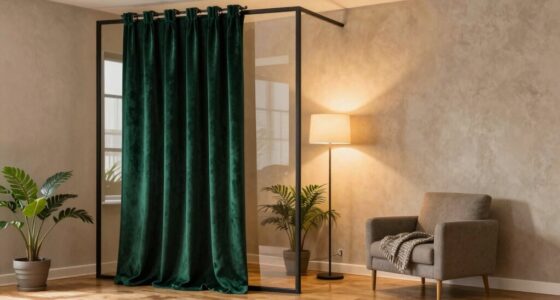
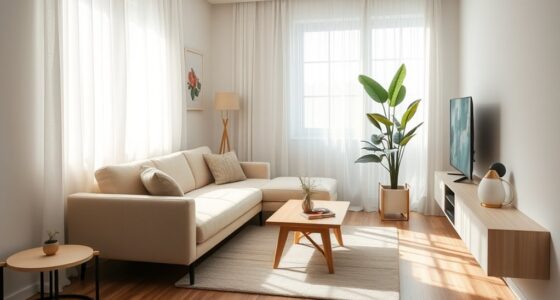
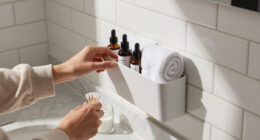
In small living areas, wall-mounted furniture helps save space and creates a clean, open look, while standalone pieces offer flexibility and easy relocation. Combining both allows you to optimize storage without sacrificing style or convenience. Wall-mounted options work best if you want a minimalist vibe and maximum floor space, but standalone furniture is great for versatility and quick rearrangements. To discover how to perfectly balance both and make the most of your space, explore further.

Get home appliances delivered free — and shop member deals
- Fast, free delivery on millions of items
- Access to Prime Big Deal Days deals on October 6–7
- Prime Video, Amazon Music and more included
Key Takeaways
- Wall-mounted furniture maximizes space and creates an open, uncluttered environment ideal for small living areas.
- Standalone pieces offer flexibility and easy mobility, suitable for dynamic lifestyles and frequent rearrangements.
- Combining both types balances aesthetics, functionality, and space efficiency in limited spaces.
- Wall-mounted options support a minimalist look, while standalone furniture provides stability and versatility.
- Ease of installation favors standalone furniture, but wall-mounted solutions optimize every inch of small rooms.

Wall-mounted furniture offers a sleek, minimalist approach that maximizes floor space, making it easier to move around and creating an open feel. For example, wall-mounted shelves or fold-down desks free up valuable floor area, giving you more room to breathe and work with. These pieces are especially useful when you need to optimize every inch without sacrificing style. Additionally, wall-mounted furniture provides aesthetic flexibility since you can choose from various designs, finishes, and configurations that blend seamlessly with your decor. This adaptability lets you create a personalized look that reflects your taste while maintaining practicality. Moreover, space-saving solutions like these can help you make the most of limited room and improve overall functionality. Standalone furniture, on the other hand, offers versatility and ease of use. You can move it around effortlessly, which is ideal if your living situation is dynamic or if you like changing your layout frequently. A freestanding sofa or cabinet can be repositioned to suit your needs, and many pieces come with additional storage or functionality. While standalone furniture may take up more space, it provides a sense of stability and familiarity that some people prefer. It also tends to be easier to purchase and replace, as you don’t need to worry about mounting or installation. However, in small spaces, these pieces can sometimes feel bulky or overwhelming if not carefully selected and arranged. To combat this, you might opt for multi-functional standalone furniture that combines seating with storage or incorporates other practical features, helping you make the most of limited space. Ultimately, the choice between wall-mounted and standalone furniture depends on your priorities and lifestyle. Wall-mounted options excel when you want a minimalist aesthetic with maximum space saving solutions and flexible design options. They’re perfect for creating an airy, uncluttered environment that still offers style and functionality. Conversely, standalone pieces work well if you value mobility, easy rearrangement, or a sense of permanence. Combining both types can also be effective; for instance, using wall-mounted shelves alongside a freestanding sofa creates a balanced, adaptable living space. Your goal should be to select furniture that aligns with your space constraints, aesthetic preferences, and daily routines, ensuring your small living area feels open, functional, and welcoming.
Frequently Asked Questions
How Do Wall-Mounted and Standalone Furniture Impact Room Acoustics?
Wall-mounted furniture improves room acoustics by enhancing sound absorption, reducing echo, and minimizing noise reflection. It keeps floors clear, preventing sound from bouncing off bulky standalone pieces, which can cause cluttered noise. Standalone furniture, on the other hand, can reflect sound waves, increasing noise reflection and echo, especially if made of hard materials. Choosing wall-mounted pieces helps create a quieter, more balanced living space in small areas.
Are There Specific Safety Concerns With Wall-Mounted Furniture for Children?
Yes, there are safety concerns with wall-mounted furniture for children. You need to guarantee proper installation to prevent accidents, focusing on furniture stability. Secure heavy or tall pieces firmly to the wall to reduce the risk of tipping over if children pull or climb on them. Regularly check the mounting hardware and encourage safe play around these pieces. Taking these precautions helps protect your child’s safety effectively.
How Does Furniture Type Influence Room Temperature Regulation?
Have you ever noticed how furniture affects your room’s temperature? Your choice influences thermal insulation and airflow circulation. Wall-mounted furniture, for example, keeps floors clear, promoting better airflow and temperature regulation. Standalone pieces can trap heat or cold around their bases, affecting comfort. By selecting the right furniture type, you help maintain a balanced, cozy environment, making your small living space more comfortable year-round.
Can Wall-Mounted Furniture Be Easily Relocated Compared to Standalone Pieces?
Wall-mounted furniture offers greater relocation flexibility because you can often move it without heavy lifting, but it requires more installation complexity, like drilling and secure mounting. Standalone pieces are easier to relocate since they’re simply moved and don’t need mounting. If you expect frequent moves, standalone furniture might be better, but if you’re okay with initial setup, wall-mounted options can save space and look sleek.
What Are the Long-Term Maintenance Differences Between These Furniture Styles?
You’ll find that wall-mounted furniture generally requires less long-term maintenance, as durability concerns are lower due to fewer moving parts and sturdy mounting. Cleaning is easier because you can wipe surfaces directly without moving the piece. Standalone furniture might need more upkeep over time, especially if it’s heavily used, as scratches or wear can develop. Overall, wall-mounted options tend to stay cleaner and in better shape with less effort.
Conclusion
Choosing between wall-mounted and standalone furniture depends on your space and needs. For example, if you live in a tiny apartment, installing a wall-mounted fold-down desk can free up room for movement. Imagine transforming a cluttered corner into an open, functional area with a simple wall shelf. By selecting the right pieces, you maximize your small space’s potential and create a cozy, organized living area that feels larger and more inviting.
NFL season / tailgating Picks
team gear
As an affiliate, we earn on qualifying purchases.