
TL;DR

Get home appliances delivered free with Prime
- Fast, free delivery on millions of items
- Prime Video, Amazon Music and more included
- Member-only deals all year
Ideal Home’s report gathers advice from interior professionals on six ways to make an open-plan living room feel warmer and more defined. The suggestions include darker or zone-specific paint, low layered lighting, furniture placement, tactile furnishings and a plush rug.
Ideal Home has published six interior-design suggestions for making open-plan living rooms feel cosier, drawing on advice from designers and home-furnishing professionals. The recommendations focus on creating warmth and defining the seating area through paint, lighting, furniture and soft furnishings, rather than changing the room’s open layout.
The advice comes from an Ideal Home report that says it asked seven interior experts how to make an open-plan living room feel more comfortable. The source identifies contributors from brands including Sofa Club, Industville, King Living, Barker and Stonehouse, Sofa.com and Sofology. It frames the challenge as a lack of natural boundaries: the room may feel spacious and sociable, but its living area can seem less enclosed than a separate lounge.
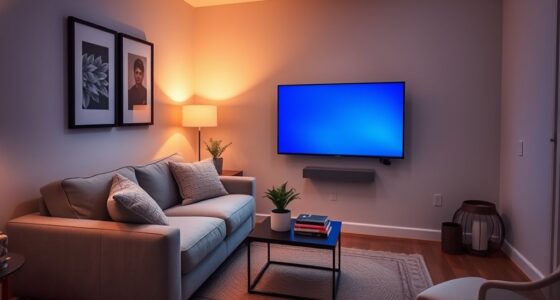
One option is to paint the walls a rich, darker shade, or use a warmer or deeper colour only around the living area to visually distinguish it from a kitchen or dining zone, complementing warm interior styling. The report also recommends warm, low-level lighting, such as table and floor lamps, instead of relying only on bright overhead lights. Lampshades and materials that diffuse light can add a softer effect, according to the experts quoted.
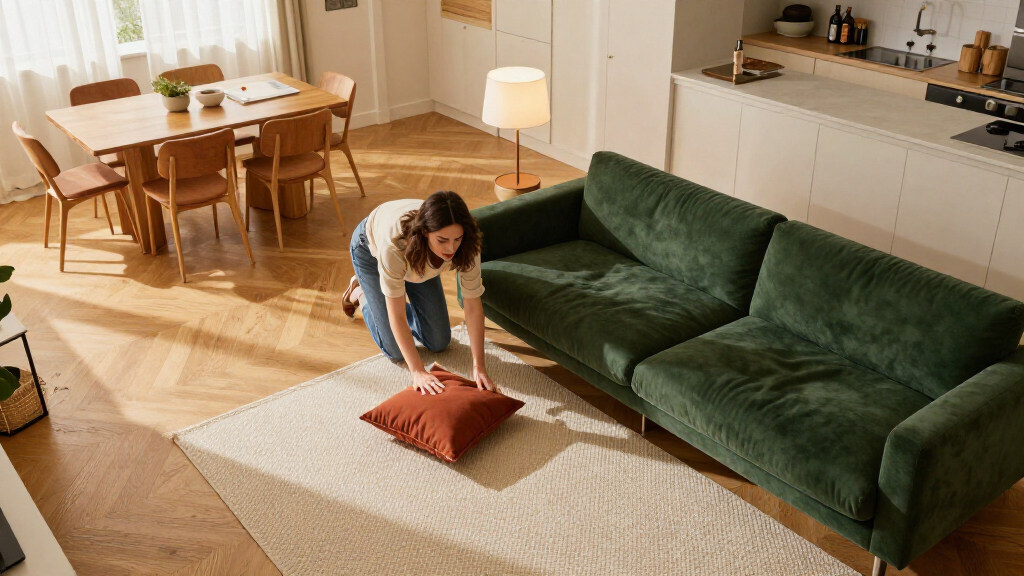
The remaining suggestions centre on the layout and texture of the seating area: use a corner sofa or position armchairs to create a more enclosed arrangement, avoiding a common furniture mistake; layer cushions and throws over comfortable upholstery; and place a plush rug beneath the seating to anchor the lounge zone. These are design recommendations, not measured findings about how much any one change will affect comfort or room use.
Designating a Cosier Living Zone
Open-plan rooms combine living, dining and often kitchen areas, so the living space may lack the boundaries that make a conventional lounge feel contained. The suggestions offer readers ways to signal that a seating area has a distinct purpose while keeping the wider room open. That can be useful for people who want a more relaxing atmosphere without putting up partitions or undertaking major renovation work.
The recommendations also vary in scale. Adding lamps, cushions or a rug can be a smaller change, while repainting walls or choosing a new sofa may involve more time and cost. The report does not compare prices or test the tips, so readers should treat them as expert guidance rather than a ranked or proven formula.
darker paint for living room walls
As an affiliate, we earn on qualifying purchases.
As an affiliate, we earn on qualifying purchases.
Why Open Layouts Can Feel Less Enclosed
The report describes open-plan living rooms as spaces that can feel light, airy and sociable, but says their openness can make a cosy atmosphere harder to create. Monika Puccio, director of buying at Sofa Club, says furniture can appear to be “floating” in a larger room when there is no clear definition for the living area. Mara Rypacek Miller, founder of Industville, similarly points to fewer natural boundaries between zones.
The six suggestions address that issue in different ways. Paint and rugs can mark out a zone visually, while sofas and armchairs establish its physical shape. Layered lighting and tactile fabrics focus attention on comfort. The source presents these ideas as alternatives or combinations, not as requirements that every room use all six.
““Open-plan spaces are brilliant for creating a light, sociable home, but that openness can sometimes work against you when you want the living area to feel cosy.””
— Monika Puccio, director of buying at Sofa Club, as quoted by Ideal Home
As an affiliate, we earn on qualifying purchases.
What the Design Advice Does Not Establish
The source provides expert recommendations, not independent testing. It does not report measurements showing how much darker paint, a rug or a particular lighting setup changes perceived warmth, nor does it compare the cost or suitability of each option. Results will depend on room size, natural light, existing finishes and personal preference.
The headline refers to six tips, but the supplied source text ends during its final rug recommendation. It confirms the rug’s proposed role in defining the seating area and adding softness, but does not include the rest of that section. The material also does not provide a publication date, so the report’s precise timing cannot be confirmed from the supplied information.
As an affiliate, we earn on qualifying purchases.
How Readers Can Apply the Suggestions
The report does not announce a follow-up test or a later development. Readers considering the ideas can start by deciding whether the living area needs clearer visual boundaries, softer light or more tactile comfort, then choose changes that suit their room and budget. Simple additions such as a lamp, cushions or a rug may be considered separately from larger changes such as repainting or replacing a sofa.
Any selection should be judged against the room’s existing layout and how it is used. The recommendations remain general design guidance; the source does not specify a single ideal colour, rug size or lighting level for all open-plan spaces.
corner sofa for open-plan living room
As an affiliate, we earn on qualifying purchases.
As an affiliate, we earn on qualifying purchases.
Key Questions
What are the six suggestions in the report?
The report recommends darker wall paint, warm low-level lighting, colour zoning, a corner sofa, layered soft furnishings and a plush rug to make an open-plan living area feel cosier and more defined.
Do the experts recommend painting the whole open-plan room dark?
Not necessarily. The report discusses painting walls a rich, darker shade, but also offers colour zoning as an alternative: using a deeper or warmer hue in the living area to distinguish it from adjoining spaces.
How can lighting make an open-plan lounge feel cosier?
The quoted advice favours warm-toned bulbs and layered light from table or floor lamps, rather than relying only on bright overhead lighting. The report does not specify bulb temperatures or a particular lighting plan.
Why does the report recommend a corner sofa and rug?
A corner sofa can help create a more enclosed seating arrangement, while a rug can anchor the living zone and add a softer surface. The source presents both as ways to define the lounge without building walls.
Source: rss
Fall yard work Picks
leaf blowers
As an affiliate, we earn on qualifying purchases.