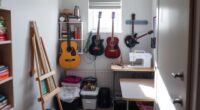
To manage foot traffic in a cramped living area, organize pathways by placing large furniture against walls to free central space and create natural corridors. Use visual cues like rugs and lighting to guide movement smoothly. Position doors and furniture thoughtfully to avoid obstruction, and consider space-saving options like sliding doors. With careful planning, you can enhance flow and accessibility—continue exploring strategies to optimize your space even further.

Get home appliances delivered free with Prime
- Fast, free delivery on millions of items
- Prime Video, Amazon Music and more included
- Member-only deals all year
Key Takeaways
- Organize furniture along walls to free central pathways and maximize space.
- Create natural corridors using strategic furniture placement to guide movement smoothly.
- Use visual cues like rugs and lighting to clearly define pathways and improve flow.
- Incorporate space-saving doors, such as sliding or pocket doors, to reduce obstruction.
- Avoid blocking doorways and keep walkways clear to ensure easy, unobstructed access.
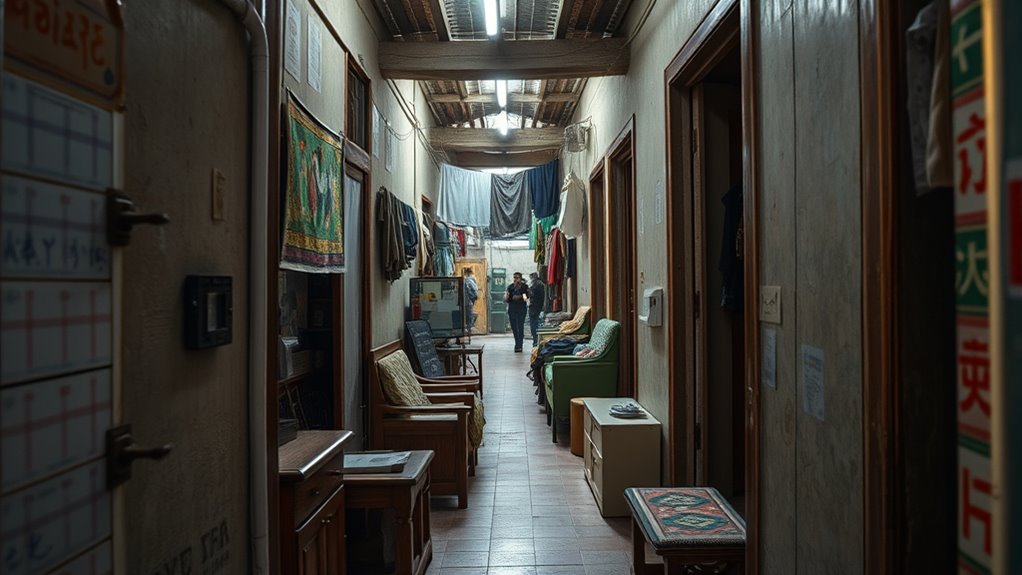
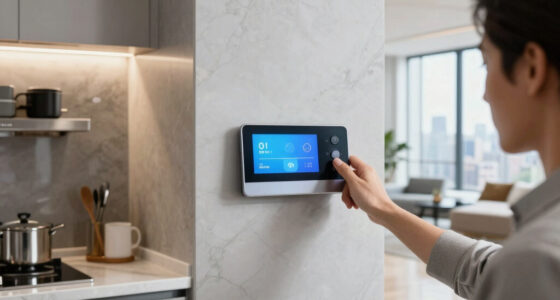
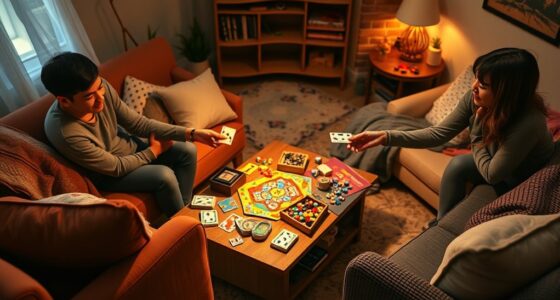
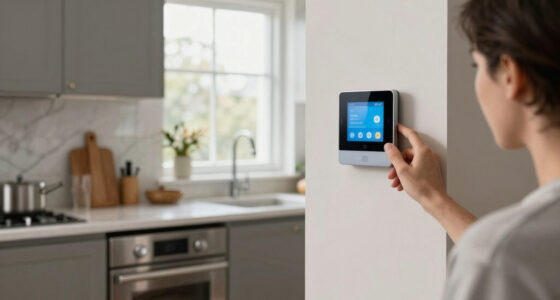
Foot traffic pathways are essential to organizing how people move through a space, whether it’s a retail store, office building, or public area. In a cramped living area, this concept becomes even more critical. You need to think carefully about furniture arrangement and doorway placement to maximize space and guarantee smooth flow. Your goal is to create clear pathways that prevent congestion and make your home feel more open, even if it’s small. Incorporating local automation can help monitor and adapt lighting and other environmental factors to subtly guide movement and enhance accessibility. Start by visualizing how people will move around your space. When arranging furniture, keep in mind that bulky pieces shouldn’t block major pathways. Instead, position sofas, beds, and cabinets along the walls, leaving enough room for walking. For example, placing a sofa against a wall creates a natural corridor in front of it, guiding movement without cluttering the room. Avoid placing furniture in the middle of walkways, as this can cause obstructions and make the space feel tighter. Doorway placement plays a vital role in managing foot traffic. Ideally, doorways should open into open areas rather than directly into narrow hallways or crowded zones. This allows for a smoother transition from one room to another. If your doorways are positioned awkwardly, consider installing sliding doors or pocket doors to save space and reduce the swing clearance needed. These options help maintain open pathways and prevent door swings from blocking walkways, especially in tight spaces. Furthermore, think about the placement of furniture relative to doorways. Keep furniture at least a few inches away from door openings to prevent blocking access. For example, don’t push a bookshelf directly against a doorway—leave enough space so you can easily pass through without having to squeeze past or bump into furniture. This simple adjustment can greatly improve the flow of foot traffic and make your living area feel more accessible. In addition, create focal points and visual cues that naturally guide movement. Use rugs, lighting, or contrasting colors to direct attention toward clear pathways. When you arrange furniture thoughtfully around doorways, you’ll notice how much easier it is to navigate your space. This not only enhances functionality but also makes your home more inviting and less cramped.
As an affiliate, we earn on qualifying purchases.
Frequently Asked Questions
How Can I Maximize Space in a Small Living Area?
You can maximize space in your small living area by choosing multifunctional furniture like a sofa bed or storage ottomans, which serve dual purposes. Incorporate vertical storage solutions such as wall-mounted shelves and tall cabinets to free up floor space. Keep pathways clear by arranging furniture thoughtfully, ensuring easy movement. Using these strategies, you’ll create a more open, functional space that feels larger and more comfortable.
What Furniture Arrangements Optimize Foot Traffic Flow?
You should arrange your furniture to create clear traffic zones, ensuring pathways are at least 24-36 inches wide for smooth movement. Place larger pieces against walls and avoid blocking doorways or windows. Use multi-functional furniture to save space, and keep walkways unobstructed by clutter. This strategic furniture placement helps maximize space and facilitates easy foot traffic flow, making your small living area feel more open and accessible.
Are Lightweight or Modular Furniture Better for Cramped Spaces?
A stitch in time saves nine, and choosing modular designs for your cramped space is the way to go. You’ll appreciate how lightweight, portable furniture easily adapts to your needs, making navigation smoother. Modular pieces let you reconfigure your layout quickly, maximizing space and minimizing congestion. With these versatile options, you can create a functional, open environment that feels less cramped and more inviting.
How Do Color Schemes Affect Perceived Space and Movement?
Color schemes substantially influence perceived space and movement by affecting visual perception and color psychology. Lighter shades make rooms feel more open and airy, encouraging smooth foot traffic flow. Conversely, darker colors can make areas seem smaller and more confined, potentially obstructing movement. Use bright, neutral tones to maximize space, while strategic accents can guide pathways without creating visual clutter, keeping your cramped living area functional and inviting.
What Safety Tips Should I Consider for Narrow Pathways?
Finding your way through narrow pathways is like walking a tightrope—balance is key. You should keep decorative accents minimal to avoid clutter and guarantee clear sightlines. Use lighting strategies, like well-placed fixtures, to brighten the path and prevent trips. Regularly check for hazards, maintain unobstructed routes, and choose non-slip rugs. These steps help you stay safe, making each step confident and secure amidst limited space.
furniture arrangement for small living room
As an affiliate, we earn on qualifying purchases.
As an affiliate, we earn on qualifying purchases.
Conclusion
Now that you’ve mapped out your pathways, imagine the possibilities—how smoothly your space flows, how effortlessly you move from one area to another. But here’s the question: will you leave those pathways open or risk future clutter and chaos? The choice is yours, and it could shape your daily life in ways you never expected. Don’t wait too long—before you know it, those pathways might be the difference between chaos and calm.
area rugs for guiding foot traffic
As an affiliate, we earn on qualifying purchases.
As an affiliate, we earn on qualifying purchases.
As an affiliate, we earn on qualifying purchases.
Fall yard work Picks
leaf blowers
As an affiliate, we earn on qualifying purchases.