
TL;DR

Get home appliances delivered free with Prime
- Fast, free delivery on millions of items
- Prime Video, Amazon Music and more included
- Member-only deals all year
For the actual bleeding, switch off the central heating and wait until the radiators are cold. Ideal Home, citing radiator specialist Nick Duggan, says hot water can escape faster and cause burns; after bleeding, check the boiler pressure before restarting the system.
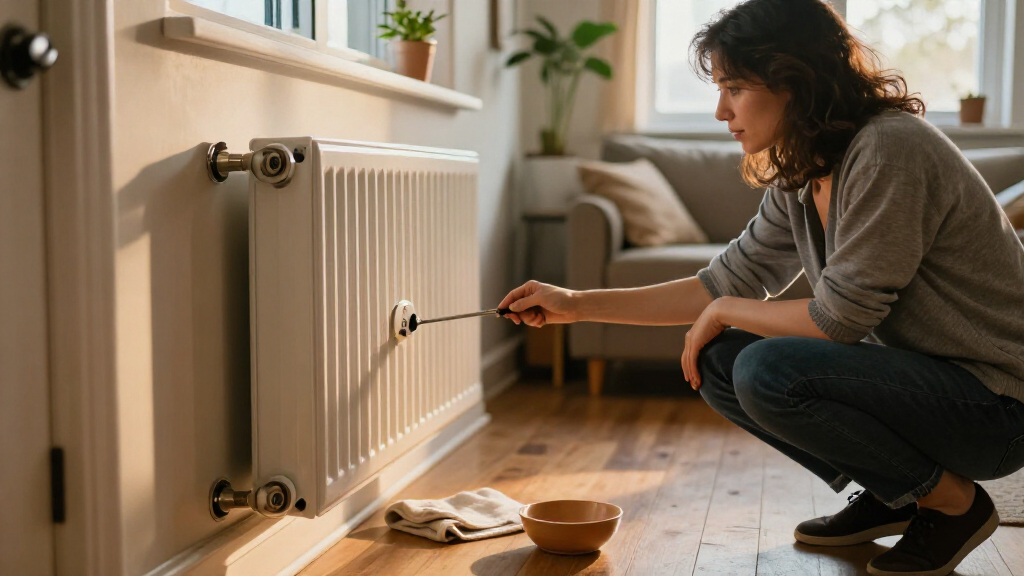
Homeowners should switch off the central heating and let radiators cool before opening a bleed valve, according to an Ideal Home report citing Nick Duggan, director of The Radiator Centre. Bleeding a hot radiator can release hot water and increase the risk of burns, while checking the system pressure afterward can help avoid problems when the heating is restarted.
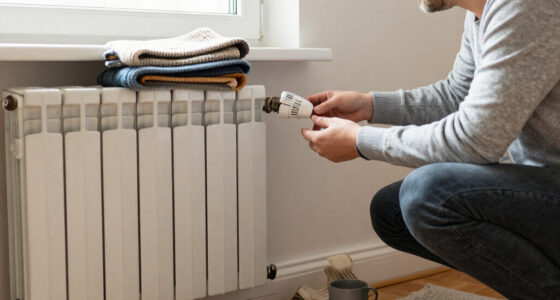
The advice separates checking for trapped air from removing it. Running the heating can make it easier to notice a radiator that is warm at the bottom but cold at the top, a common sign of air. But the report says to turn the system off for the bleeding itself and, ideally, wait until the radiator is completely cold.
Duggan told Ideal Home that opening a valve while hot water is circulating can cause hot water to escape and potentially burn someone. Water may also come out faster, making the task messier. He said letting the radiator cool gives the air and water inside time to settle, which he considers helpful for bleeding.
After the task, there is no fixed waiting period before restarting the heating, the report says. Duggan recommends waiting a few minutes, checking the boiler pressure against the range recommended for the system, and then turning the heating back on. Bleeding several radiators may lower pressure slightly, so the check is particularly relevant after doing more than one.
Avoid Burns and Check Pressure
The order of steps matters for personal safety and for getting the heating back into working order. A bleed valve releases air and may release water too; doing this while the system is hot can expose someone to hot water. Turning the heating off and waiting for the radiators to cool reduces that risk.
The pressure check addresses a separate practical concern. If pressure has fallen after bleeding, restarting the system without checking could leave a homeowner unaware that it is outside the boiler’s recommended range. The source advises checking, but does not give a universal pressure figure; the appropriate range depends on the system and its guidance.
Products Worth Considering

Ring Alarm 8-Piece Kit (2nd Gen) Home Security System

Blueair Signature SP1i Smart Air Purifier

Levoit Vital 100 Air Purifier
As an affiliate, we earn on qualifying purchases.
Spotting Air Before Bleeding
A cold patch near the top of a radiator is a familiar clue that air may be trapped inside. The Ideal Home report says the heating can be used to identify uneven warmth, but it should then be switched off before the valve is opened. This is why the advice is not simply to keep the system cold throughout: warmth can help with diagnosis, while a cold radiator is recommended for the task itself.
Darren Danks, head of training at Worcester Bosch, told Ideal Home that trapped air can create cold spots and reduce heating performance; over time, he said, it can also contribute to corrosion. He added that small pockets of air may not create noticeable cold spots, so a radiator that feels warm throughout does not necessarily prove that the system contains no air. The report says bleeding all radiators can take around 15 minutes, though covers or other obstacles may add time.
“Make sure the heating is switched off and, ideally, wait until your radiators have gone completely cold.”
— Nick Duggan, director of The Radiator Centre, quoted by Ideal Home
Pressure Range Varies by System
The report does not provide a single boiler-pressure target or explain how to adjust pressure for every type of system. Homeowners should use the manufacturer’s instructions or other guidance specific to their boiler. It also does not establish that every radiator needs bleeding on a fixed schedule: its suggestion to bleed all radiators is practical advice, not a stated requirement.
The source gives no date for the guidance and does not cite a controlled test comparing bleeding hot and cold radiators. The safety and performance points are attributed to named industry representatives. No information is provided about local differences in heating-system design or the steps that may apply to particular boilers.
Check the Boiler Before Restarting
For anyone preparing to bleed radiators, the sequence described in the report is straightforward: use the heating to look for uneven warmth if needed, switch it off, and wait until the radiators are cold before opening a bleed valve. Afterward, allow a few minutes, check the boiler pressure against the system’s recommended range, and restart the heating if it is within that range. If pressure needs attention or the homeowner is unsure how to proceed, consult the boiler instructions or a qualified heating professional.
Key Questions
Should the heating be on or off while bleeding a radiator?
Keep it off while opening the bleed valve, and wait for the radiator to cool. The Ideal Home report says running the heating can help reveal cold spots beforehand, but hot water may escape during bleeding.
Can I bleed a radiator while it is hot?
The cited advice is to wait until the radiator is cold. Nick Duggan says hot water could come out of an open valve and cause burns; water may also escape faster and make the job messier.
How soon can I turn the heating back on?
The report gives no fixed waiting time. Duggan advises waiting a few minutes, checking the boiler pressure against the recommended range, and then turning the heating back on.
Does a warm radiator mean there is no trapped air?
Not necessarily. Darren Danks of Worcester Bosch says small pockets of air may not cause noticeable cold spots, so a radiator that feels warm throughout does not rule out air in the system.
Source: rss