
TL;DR

Get home appliances delivered free with Prime
- Fast, free delivery on millions of items
- Prime Video, Amazon Music and more included
- Member-only deals all year
An Ideal Home report says dusty radiators, trapped air and furniture blocking heat can contribute to poor heating. Experts quoted in the report recommend cleaning radiators, bleeding them when signs point to trapped air and checking airflow; these steps may not solve problems caused by insulation, draughts or system faults.
An Ideal Home report has outlined several radiator issues that may leave rooms feeling colder, including dust buildup, trapped air and blocked airflow. The advice, based on comments from home-heating professionals, offers householders practical checks before relying on central heating, while noting that poor insulation and draughts can also affect comfort.
Martin Garbutt, head of technical governance at home services platform Ding, told Ideal Home that dust inside radiators can reduce efficiency by up to 10%. That figure is Garbutt’s estimate as quoted in the report; it is not presented as a measurement from a specific test or as a guaranteed saving for every home. He recommends switching the radiator off, letting it cool, then removing dust with a vacuum nozzle or hairdryer. A damp towel beneath can catch debris. For exterior cleaning, the report suggests warm water with a small amount of dish soap or white vinegar and a microfiber cloth.
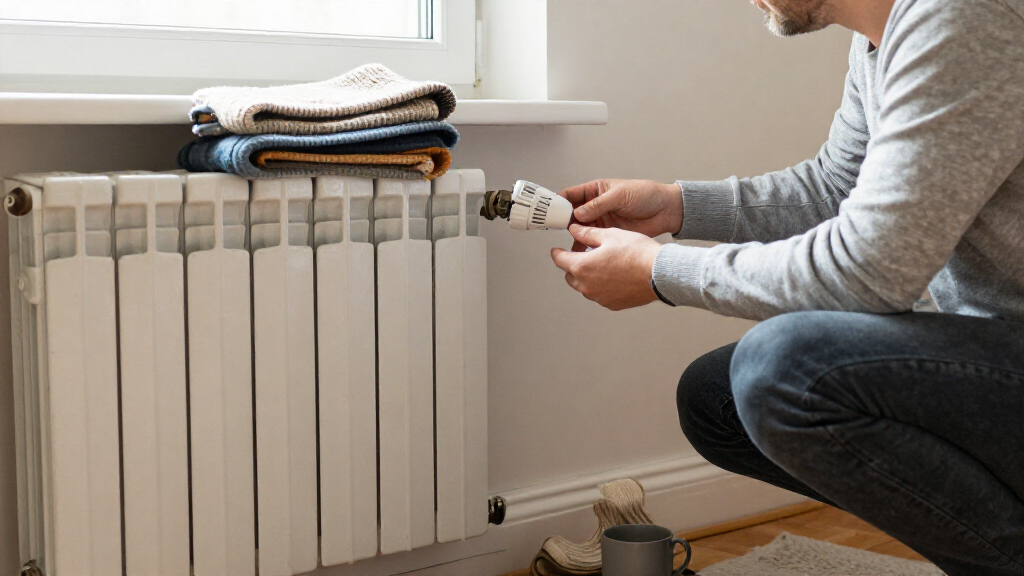
Trapped air is another possible cause of uneven heating. Ian Palmer-Smith, an appliance repair expert at Domestic & General, said a radiator that is cold at the top and hot at the bottom, or one making gurgling or banging sounds, may need bleeding. He recommends bleeding radiators at least once a year as standard maintenance. If they still heat unevenly afterward, Ant Langston of HeatandPlumb.com said the system may need balancing by adjusting the lockshield valves opposite the thermostatic radiator valves.
The report also warns against placing large furniture directly in front of radiators or hiding them behind coats, doors or shelves. Obstructions can restrict the movement of warm air around a room. The author describes living in a draughty, poorly insulated house and says the radiators do not seem to warm it adequately, but that account is personal experience, not evidence that radiator placement is the sole cause.
Small radiator checks, possible comfort gains
These checks matter because heating systems can be working while rooms still feel unevenly warm. Dust, trapped air and blocked airflow are potential problems that residents can identify without assuming the boiler itself has failed. Cleaning and bleeding may improve performance in some cases, while clearing obstructions can let heat circulate more freely.
The advice is not a promise of lower bills or a fix for every cold home. The report provides no measured household energy savings, and it does not establish how often each issue causes poor heating. Draughts, weak insulation, boiler faults and other system problems may require separate attention. The practical value is in treating radiator maintenance as one part of diagnosing an uncomfortable room, rather than immediately replacing equipment or turning the heating higher.
Products Worth Considering

Dyson Ball Animal Total Clean Upright Vacuum

Bose SoundLink Flex Bluetooth Speaker (2nd Gen), Portable Waterproof Speaker, Black

Dyson Ball Animal 2 Plus Corded Vacuum
As an affiliate, we earn on qualifying purchases.
Checks before the heating season
The Ideal Home article is framed around preparations for cooler weather and an account of an older, draughty home that remains cold despite central heating. Its author asked heating and home-service professionals about reasons radiators might not perform as expected. The responses focus on maintenance and heat circulation, rather than reporting a new regulation, product launch or research study.
The article covers four areas: cleaning radiators, bleeding them, avoiding obstructions and using heating controls. The supplied source text ends while discussing the author’s uncertainty about a wireless thermostat and thermostatic radiator valves, so it does not provide the complete advice on thermostat settings. No independent test results or comparison of heating systems are included.
“If your radiator feels cold at the top and hot at the bottom, this means there is trapped air inside of it that is preventing hot water from circulating.”
— Ian Palmer-Smith, appliance repair expert at Domestic & General, quoted by Ideal Home
What radiator advice cannot establish
The source does not report whether the author’s own radiators were cleaned, bled or balanced, or whether any of those actions made the home warmer. It also does not quantify the effect of blocked furniture, compare different radiator designs or establish that the reported cleaning estimate applies across homes.
The thermostat section is incomplete in the supplied material, so specific guidance on settings cannot be confirmed from this source. Nor does the article diagnose the cause of cold rooms in general. If basic checks do not help, a heating professional may need to assess the system; the report does not set out a diagnostic procedure for boiler or plumbing faults.
Practical checks before winter
Householders following the report’s advice can start by checking that radiators are cool and switched off before cleaning them, then remove accessible dust and keep furniture and hanging items clear of the heat. Where the temperature pattern or noises suggest trapped air, the article recommends bleeding the radiator and checking whether heating is more even afterward.
If some radiators remain cooler than others, the report points to balancing as a possible next step, but does not give detailed instructions for adjusting valves. Persistent problems warrant further investigation rather than repeated adjustments. The source does not announce a follow-up test or other scheduled development; whether these steps help depends on the home and the cause of the heating problem.
Key Questions
What can make a radiator feel as if it is not heating properly?
The report identifies dust, trapped air and blocked airflow as possible causes. Draughts and poor insulation can also leave a home cold, and the article does not claim radiator maintenance will address those issues.
How can I tell if a radiator may need bleeding?
Ian Palmer-Smith says a radiator that is cold at the top but hot at the bottom, or that makes gurgling or banging noises, may contain trapped air and need bleeding.
How often should radiators be bled?
Palmer-Smith recommends bleeding radiators at least once a year as standard maintenance. The report does not say every radiator will need bleeding on that schedule regardless of its condition.
What if bleeding does not fix uneven heating?
Ant Langston says a balancing issue may be responsible if radiators still heat unevenly after bleeding and valve settings have been checked. The article mentions lockshield valves but does not provide step-by-step adjustment instructions.
Does cleaning a radiator guarantee lower heating bills?
No. Garbutt’s quoted estimate says dust may reduce radiator efficiency by up to 10%, but the source gives no measured bill savings or guarantee. Cleaning is one maintenance step, not proof that a household’s heating costs will fall.
Source: rss