
TL;DR
A team from India has simulated a home cooling panel that combines photovoltaic power, thermoelectric cooling, and waste cooking oil as a phase change material. The system can deliver up to 15 kWh/day of cooling, reducing indoor temperatures and carbon emissions, with a payback period of about 3-4 years.
A research team from India’s Aarupadai Veedu Institute of Technology has simulated a home cooling panel that integrates PV power generation, thermoelectric cooling, and waste cooking oil as a phase change material, demonstrating potential for sustainable indoor temperature management.
The system features a PV module that converts sunlight into electricity, which then powers a thermoelectric (TE) module coupled with waste cooking oil as a bio-based phase change material (PCM). During daylight, the PV supplies power to the TE module, which cools the PCM and stores thermal energy for later use. At night, when solar energy is unavailable, the PCM releases stored heat, helping to lower indoor temperatures. The simulation results suggest that a single panel can provide between 6 and 15 kWh of cooling daily, reduce peak indoor temperatures by up to 3°C, and shift cooling loads by approximately 3 hours. The study employed a multi-fidelity modeling framework, including zero-dimensional and two-dimensional models, to optimize performance and economic viability. The analysis indicates a payback period of 3 to 4 years, potentially reduced to 2 with incentives, and a carbon payback period under 2 years, with the system avoiding roughly 1.2 tons of CO₂ emissions annually and reutilizing 40 kilograms of waste cooking oil.
Environmental and Economic Impact of Waste Oil-Based Cooling
This development offers a sustainable alternative to conventional cooling systems by utilizing waste cooking oil as a low-cost, bio-based phase change material. It has the potential to significantly reduce energy consumption and carbon emissions in residential buildings. The promising economic analysis, with a payback period of about 3-4 years, suggests viability for wider adoption, especially with incentives. The approach also promotes waste valorization, turning a common waste product into a valuable resource for climate-friendly cooling solutions.
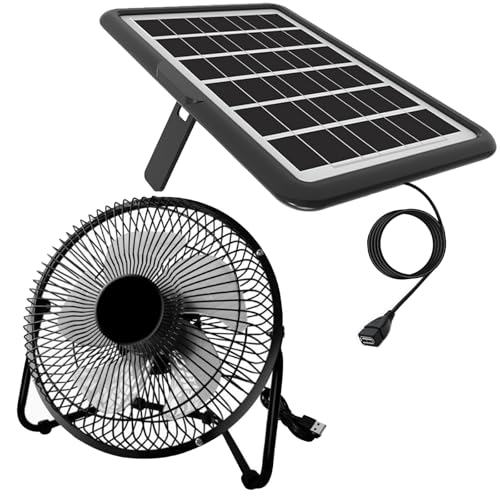
Solar Powered Fan, 8 Inch Install-Free, with 18W IP65 Portable Solar Panel, Cloudy Days Working Solar Fan for Air Circulation and Cooling in Greenhouse, Chicken Coop, Pet House, Attic, 14ft Long Cable
- Powerful 8 Inch Solar Fan: Generates strong airflow on sunny and cloudy days
- Install-Free Waterproof Design: IP65 waterproof fan and panel with 14ft cords
- Portable and Flexible Setup: Foldable solar panel with no assembly needed
As an affiliate, we earn on qualifying purchases.
As an affiliate, we earn on qualifying purchases.
Advances in Solar-Driven Thermal Storage Technologies
Recent years have seen increased interest in integrating renewable energy with thermal storage for building cooling. Conventional systems often rely on electric air conditioning, which consumes high energy and contributes to greenhouse gas emissions. Phase change materials, especially bio-based ones like waste cooking oil, are emerging as environmentally friendly options for thermal energy storage. The use of thermoelectric modules powered by PV panels to directly transfer heat and provide cooling is an innovative approach that enhances system efficiency. Prior research has demonstrated various hybrid cooling techniques, but the combination with waste cooking oil as a PCM is novel, offering a sustainable, low-cost solution that addresses waste management and energy efficiency simultaneously.
“Our study introduces a multi-fidelity modeling approach for solar-driven hybrid cooling panels using waste cooking oil as a phase change material.”
— an anonymous researcher

Yrhrol Mini Air Conditioner DC 12V DIY Thermoelectric Peltier Refrigeration Cooling System Heat Sink Conduction Module Semiconductor Fridge Refrigeration Cooling System DIY Kit
- Easy to Install: Pre-assembled for quick setup
- Durable Construction: Sealed structure with high-quality materials
- Efficient Cooling: Fast cooling within minutes with fan
As an affiliate, we earn on qualifying purchases.
As an affiliate, we earn on qualifying purchases.
Long-Term Performance and Scalability Unclear
It is not yet confirmed how the system will perform under real climatic conditions over extended periods. Long-term durability of waste cooking oil as a PCM, scalability of manufacturing, and integration into existing building designs are still under investigation. Further testing and pilot projects are needed to validate simulation results and economic viability in diverse environments.
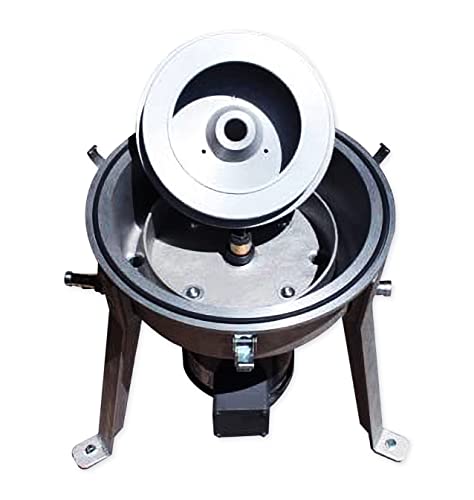
WVO Designs Waste Oil Centrifuge, Cleans Waste Vegetable Oils & Other Fluids, Waste Oil Furnace Heater, Extracts Dirt & Water, Processes Up to 25 Gallons/Hour
- Purpose: Cleans waste vegetable and other oils
- Compatibility: Suitable for motor, hydraulic, and machining oils
- Processing Capacity: Processes up to 25 gallons per hour
As an affiliate, we earn on qualifying purchases.
As an affiliate, we earn on qualifying purchases.
Next Steps Include Pilot Testing and Commercial Development
The research team plans to conduct real-world pilot studies to assess long-term performance and durability. They will also explore manufacturing processes for scalable production and develop AI-driven control systems to optimize operation. Policy incentives and further technological enhancements could accelerate adoption of this sustainable cooling approach.

Thermal Energy Storage: Basics, Design, Applications to Power Generation and Heat Supply (Topics in Energy)
As an affiliate, we earn on qualifying purchases.
As an affiliate, we earn on qualifying purchases.
Key Questions
How does the waste cooking oil improve cooling performance?
The waste cooking oil acts as a phase change material, storing and releasing thermal energy during phase transitions, which helps maintain lower indoor temperatures and improves overall cooling efficiency.
Is this technology ready for commercial use?
Currently, the system is in the simulation and testing phase. Further pilot projects and durability assessments are needed before commercial deployment can be considered.
What are the environmental benefits of this system?
The system reuses waste cooking oil, reduces reliance on electric air conditioning, and can lower CO₂ emissions by approximately 1.2 tons annually per panel, contributing to climate change mitigation.
What challenges remain for scaling this technology?
Key challenges include ensuring long-term PCM stability, developing cost-effective manufacturing processes, and integrating control systems for optimal performance under varying conditions.
How much energy savings can homeowners expect?
Simulations suggest that the system can provide up to 15 kWh of cooling per day, potentially reducing indoor peak temperatures and shifting cooling loads, leading to lower energy bills.
Source: PV Magazine