
TL;DR

Get home appliances delivered free with Prime
- Fast, free delivery on millions of items
- Prime Video, Amazon Music and more included
- Member-only deals all year
Livingetc’s interior-design report presents silver-toned finishes as a possible alternative to conventional neutral colors, using materials such as chrome, stainless steel and brushed metal. Designer Felizia Berchtold says reflective surfaces change with their surroundings and can bring warmth as well as a cool, metallic look; the article does not establish how widely the trend is being adopted.
Livingetc is making the case for silver-toned finishes as a flexible option for home interiors, rather than a material that necessarily makes a room feel cold. The report draws on designer Felizia Berchtold of Studio Tutto Bene, who describes chrome and other reflective metals as surfaces that respond to surrounding colors and changing light.
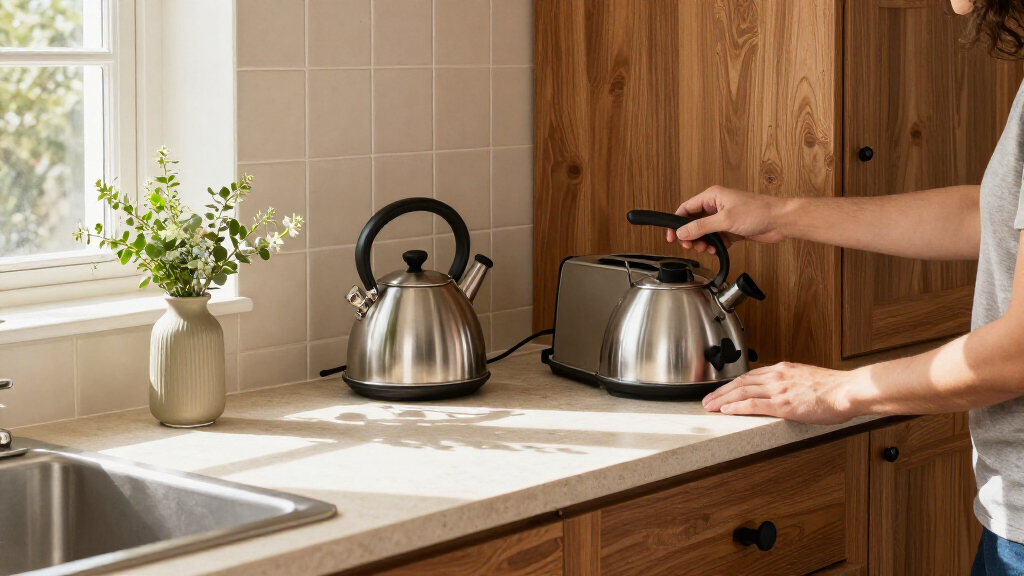
The report uses “silver” to describe a material and finish, not simply gray paint. Examples include stainless-steel cabinetry, chrome lamps and vases, brushed metals, and silver leaf. The distinction matters: these finishes share gray’s neutral character but add shine and reflections, which change how they appear in a room.
Berchtold says metallic surfaces can catch and frame light while borrowing color from their surroundings. In practice, that means their appearance may shift during the day and vary according to nearby materials. Against warm wood, chrome can create a crisp contrast; paired with stone or cooler colors, it can reinforce a more tonal atmosphere. Black and white make the reflections more apparent, she says.
The article points to kitchens and bathrooms as familiar places to begin, where metal already appears in fittings and appliances. It also describes more extensive uses, including a Milan apartment kitchen covered in silver leaf. Berchtold says that treatment lets the surfaces dissolve into reflections while still giving the kitchen a jewel-like presence. These are design examples, not evidence of broad consumer uptake.
How Reflective Finishes Change a Room
The appeal of silver is not limited to its color. As a reflective surface, it can carry nearby hues across a room, add visual texture and make lighting part of the finish’s effect. That gives homeowners and designers another way to connect materials without relying only on paint or fabric color.
The approach also challenges the assumption that metallic interiors must feel clinical. Berchtold says silver can hold warmth, particularly when combined with grounding elements such as wood, earthy colors or an olive rug. That is a design interpretation rather than a guaranteed result: the effect depends on the finish, light, scale and surrounding materials.
For readers considering a refresh, the report offers both restrained and high-impact options: a chrome accessory or a more extensive application such as cabinetry. Its suggestion to use silver confidently is advice from the article, not a rule. The key practical choice is whether the reflective finish should stand out, contrast with warm materials, or blend into a cooler palette.
Products Worth Considering

Levoit Vital 100S-P Air Purifier for Home and Pets

LEVOIT Air Purifier for Home, Pets, Bedroom, Smart WiFi

Dyson W1 PencilWash Wet and Dry Cleaner with Dok Cordless Wet Floor Cleaner
As an affiliate, we earn on qualifying purchases.
From Gray Color to Metal Finish
Livingetc frames silver as a departure from the usual color-wheel choices, but its examples are grounded in materials already common in contemporary homes. Stainless steel, chrome and brushed metal appear in kitchens, bathrooms and decorative objects; the report’s argument is that they can be treated as deliberate design elements rather than merely functional hardware.
Berchtold distinguishes silver from chrome in terms of mood: silver can suggest the old world, while chrome carries a more futuristic association. Both, she says, appeal to people’s attraction to shine. The report also describes the combination of green and silver as grounding, and highlights black and silver as a more dramatic pairing. These observations reflect the designer’s perspective and the projects presented, not a measured ranking of current interior trends.
“Silver-toned metallic finishes catch the light and frame it. It also borrows color from its surroundings, shifting through the day.”
— Felizia Berchtold, director and designer at Studio Tutto Bene
How Broad Is the Silver Trend?
The report does not provide sales figures, survey data or adoption rates showing how many homeowners or designers are choosing silver finishes. Its description of silver as a timely design direction rests on Livingetc’s editorial framing and Berchtold’s professional experience, rather than quantified evidence of a wider market shift.
It is also not clear how the finishes will perform in every home. Reflections and perceived warmth can vary with the room’s natural and artificial light, the metal’s sheen, and nearby colors and materials. The article gives examples and design guidance, but no comparative testing or maintenance details for specific products.
Testing Silver in Home Schemes
Livingetc’s report does not announce a product launch, formal forecast or next industry milestone. For now, its development is a design recommendation rather than a market announcement: consider silver-toned metal alongside the room’s existing light, colors and materials. A small fixture or decorative object offers one way to see how a finish behaves before using it across cabinetry or a larger surface.
Whether silver becomes a lasting neutral or remains a more selective design choice will depend on future projects and consumer demand. The source provides no follow-up data or timetable for assessing that reach.
Key Questions
Is silver a color or a material in this design trend?
In Livingetc’s report, “silver” refers mainly to reflective metal finishes, such as chrome, stainless steel, brushed metal and silver leaf, rather than gray paint alone.
Why do designers say silver does not have to feel cold?
Designer Felizia Berchtold says metallic surfaces reflect light and pick up colors from their surroundings. Pairing them with wood, green or other earthy tones can add warmth, though the result depends on the room and finish.
Where does Livingetc suggest using silver finishes?
The report identifies kitchens and bathrooms as natural places to use metal details, and also mentions lamps, vases, cabinetry, bar areas and larger surfaces.
Does the report show that silver is becoming a widespread trend?
No. It presents silver as a design direction and includes a designer’s views and project examples, but gives no market data or adoption figures to establish how widely it is being used.
Source: livingetc.com