TL;DR
House Beautiful reports that interior designers are seeing millennial clients move away from seven traditional decorating conventions, including matching furniture, hidden appliances and rooms reserved for formal use. The article presents designers’ observations, not survey data establishing how common each preference is.
Interior designers interviewed by House Beautiful say millennial clients are setting aside seven familiar decorating conventions, favoring homes that reflect daily routines and personal taste over formal rooms, matching furniture and understated interiors. The report describes designers’ observations rather than a quantified survey of millennial homeowners, so it does not establish how widespread the changes are.

Get home appliances delivered free with Prime
- Fast, free delivery on millions of items
- Prime Video, Amazon Music and more included
- Member-only deals all year
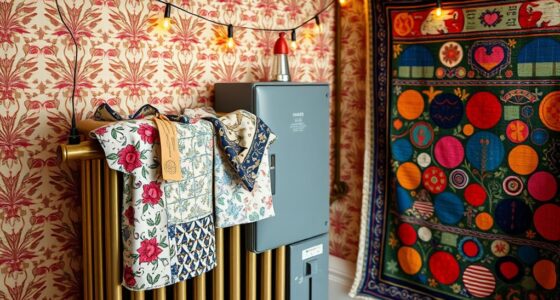
The designers’ examples range from mixing furniture and dinnerware to making everyday appliances visible and creating rooms around hobbies rather than traditional labels. The report also describes clients choosing color, pattern and personal collections instead of treating visual restraint as the default marker of sophistication.
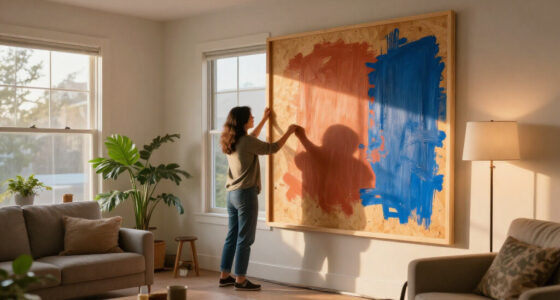
Several of the changes concern how a home is used. Designers say clients are requesting reading corners, coffee bars, listening rooms and window seats, while treating home as a place for work, socializing and rest. Some clients also use their “good” furniture and china regularly rather than reserving them for visitors.
The report’s seventh rule concerns luxury: designer Becky Ducsik says her millennial clients tend to value comfort, personal meaning and distinctive finds over expensive traditional furnishings. The article’s overall account is that these preferences can develop gradually, as residents collect pieces over time rather than completing a room in one purchase.
Homes Built Around Daily Life
The reported shift matters because it reframes interior design as a response to how people actually live, not just how a room is expected to look. A flexible space can accommodate work, rest and hobbies, while using cherished or practical items every day may make a home feel more personal than a room staged mainly for guests.
There is also a practical dimension. Slow decorating can allow residents to buy furniture over time and leave room for later finds, rather than furnishing an entire home at once. The source does not provide cost comparisons, however, and vintage or individually sourced pieces are not necessarily less expensive than conventional sets.
These are designers’ reported client preferences, not evidence that every millennial follows the same approach. Still, the examples offer readers a snapshot of how professional designers say some clients are adapting rooms to contemporary routines and individual priorities.
Products Worth Considering

iRobot Roomba Plus 405 (G181) 2-in-1 Vacuum and Mop Robot with AutoWash Dock

iRobot Roomba 105 Combo Robot Vacuum & Mop with AutoEmpty Dock

Philips Hue Iris Smart LED Table Lamp (White)
As an affiliate, we earn on qualifying purchases.
From Formal Rooms to Flexible Spaces
House Beautiful places the reported preferences against the backdrop of earlier millennial-associated styles, including millennial gray, millennial pink and modern farmhouse interiors with shiplap. The article notes that the generation has also embraced gallery walls, nostalgic objects and houseplants, while arguing that its current design choices continue a tendency toward reinvention.
Designer Michelle Murphy says the pandemic, remote work and rising housing costs changed the role of home for her clients. She describes it as serving as an office, sanctuary and social space, among other purposes. The article offers this as a designer’s explanation for changing priorities, not as a measured account of every household’s experience.
The seven rules discussed are: designing for guests rather than residents; buying matching furniture sets; assigning rooms only conventional uses; hiding appliances; treating restraint as sophistication; completing rooms all at once; and equating traditional luxury with good design. The designers describe alternatives, not requirements for how anyone should decorate.
“After navigating a pandemic, remote work, and rising housing costs, home became everything. Their office, their reflection, their sanctuary, their social space, everything.”
— Michelle Murphy, interior designer at Demi Ryan, quoted by House Beautiful
How Broad Is the Shift?
The source provides no survey, sample size or sales data to show how many millennials share these preferences or how they compare with other generations. Its conclusions come from interviews with interior designers describing clients they have worked with, and those experiences may not represent homeowners or renters more broadly.
The report also does not establish whether the choices are permanent or driven by budget, housing size, availability or changing trends. It does not say that traditional rooms, coordinated furniture or concealed appliances have disappeared; it describes designers seeing some clients choose alternatives.
Preferences Will Evolve Over Time
The source identifies no scheduled follow-up, industry release or next milestone. Its immediate takeaway is a set of designers’ observations about how some millennial clients are furnishing their homes now.
Whether these preferences are becoming more common would require broader evidence, such as a representative consumer survey or data on purchases and renovation choices. Until then, the reported rules are best understood as trends seen by the designers interviewed, rather than a definitive account of a generation’s homes.
Key Questions
Which old-school design rules are millennials reportedly leaving behind?
House Beautiful lists designing mainly for guests, matching furniture, assigning rooms conventional uses, hiding appliances, equating restraint with sophistication, completing rooms all at once and treating traditional luxury as the standard of good design.
Why are some clients choosing rooms for hobbies?
Designer Alexis Vitale told House Beautiful that clients ask for spaces such as reading corners, coffee bars and listening rooms. The report describes these as ways to shape rooms around how residents spend their time.
Does the report prove that most millennials decorate this way?
No. It is based on interior designers’ accounts of their clients and does not include survey data showing how common these choices are.
What does slow decorating mean in the report?
It means furnishing a home gradually, leaving room for future discoveries and personal items instead of buying everything for a room at once. House Beautiful’s source does not claim that this approach always costs less.
Source: rss