Living in a small apartment forces you to make intentional choices about space, noise, and organization, sharpening your decision-making skills. You learn to prioritize essential items, quickly adapt to limited space, and manage distractions better. This environment encourages mindfulness and thoughtful planning, which can boost your confidence in tackling bigger decisions outside your home. If you’re curious about how small spaces boost your skills, there’s more to discover below.
Key Takeaways
- Limited space encourages quick, intentional decisions, reducing indecision and fostering clarity in choices.
- Smaller environments minimize distractions, enhancing focus and deliberate thinking.
- Necessity-driven arrangements cultivate mindfulness about environment and resource management.
- Living small promotes prioritization and purposeful planning applicable to broader life decisions.
- Efficient use of space and environment management develop adaptable problem-solving skills.
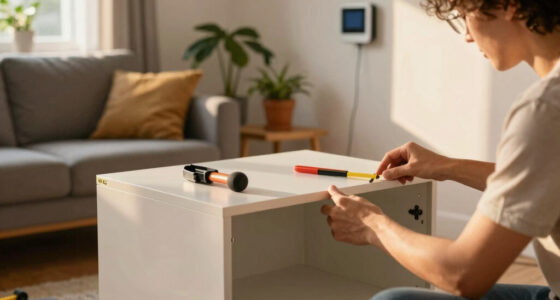
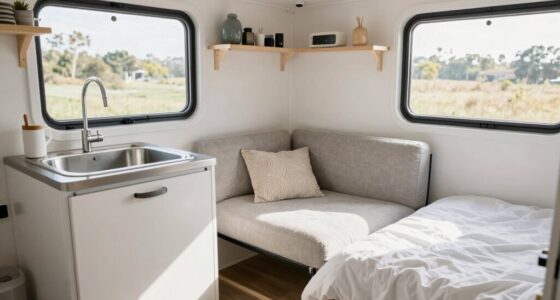
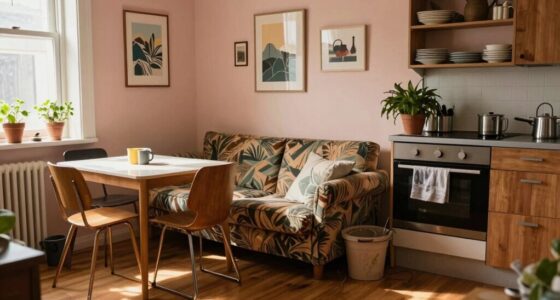
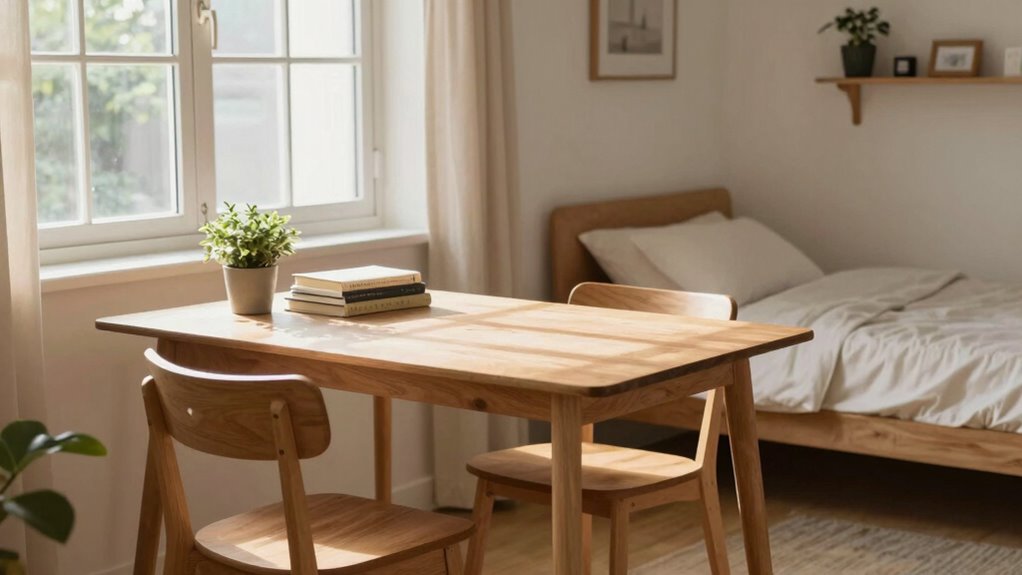
Have you ever noticed how living in a small apartment forces you to make quicker, more intentional decisions? It’s true. When space is limited, every choice about furniture arrangement matters. You don’t have the luxury of sprawling across a huge living room or stacking furniture to create separate zones. Instead, you carefully consider what pieces to keep, where they should go, and how to maximize every inch. This process sharpens your decision-making skills because you learn to weigh priorities quickly. You figure out what’s essential, what can be downsized, and how to arrange your furniture so that your space feels functional and welcoming. Each decision about placement becomes a small exercise in efficiency, helping you develop a more deliberate approach to choices in other areas of life.
At the same time, smaller spaces tend to amplify noise levels, which might seem like a downside initially. But it actually encourages you to be more mindful of how your environment impacts your decisions. When you’re aware that every sound carries, you start thinking more about maintaining a peaceful, productive atmosphere. You might decide to invest in soundproofing or choose quieter appliances. These choices, made out of necessity, train you to consider the broader consequences of your decisions. You learn to prioritize tranquility and focus, which can spill over into other parts of your life, making you more conscious of how your actions affect your surroundings and your wellbeing. Additionally, landscaping and outdoor features can enhance your environment, even in small spaces, encouraging a mindful connection with your surroundings. Recognizing the importance of effective space utilization and how it relates to electric bikes and their performance further supports your ability to adapt and optimize your environment.
Living in a small apartment also limits distractions. With less space, there are fewer areas to clutter or lose focus in. As a result, you become more intentional about how you spend your time and what you allow into your environment. This heightened awareness boosts your decision-making skills because you’re constantly evaluating what’s truly important. Do I need this item? Does this activity serve my goals? These questions become second nature as you navigate tight quarters, and over time, they strengthen your ability to make clear, confident decisions. Developing mindful decision-making habits can help you stay focused on what truly matters, both at home and beyond. Incorporating efficient space utilization techniques can further improve how you organize your environment and manage your choices.
Living small sharpens focus and decision-making by reducing distractions and encouraging intentional choices.
In the end, small apartment living teaches you to be more deliberate in your choices. The constraints of furniture arrangement and noise levels don’t just shape your physical environment—they shape how you approach decision-making more broadly. You learn to prioritize, to plan thoughtfully, and to act with purpose. This mindset, cultivated in a compact space, can positively influence how you handle bigger decisions outside your home, making you a more intentional, confident decision-maker in all areas of life.
small space furniture arrangement
As an affiliate, we earn on qualifying purchases.
As an affiliate, we earn on qualifying purchases.
Frequently Asked Questions
How Does Small Space Influence Daily Routines?
Living in a small space pushes you to streamline your daily routines, making space organization a priority. You become more intentional with your belongings and habits, reducing clutter and distractions. This efficiency encourages you to establish consistent daily habits, like quick tidying or focused work periods. As a result, your daily routines become more deliberate, helping you stay organized, productive, and less overwhelmed despite the limited space.
Can Limited Space Reduce Decision Fatigue?
Think of your tiny apartment as a decision-filter, clearing the clutter from your mind. With minimal design and spatial awareness, every item and choice becomes intentional, reducing mental noise. Limited space forces you to prioritize and simplify, like trimming branches to strengthen the tree. This environment naturally curtails decision fatigue, making each day smoother and more focused, allowing your mind to breathe freely amidst the cozy, streamlined space.
What Role Does Environment Simplicity Play?
Environmental clarity plays a vital role in fostering a minimalist mindset, which simplifies your surroundings and reduces mental clutter. When your space is organized and free of excess, you make decisions more easily and quickly. A clean, simple environment minimizes distractions, helping you focus on what truly matters. This clarity encourages mindful choices and promotes better decision-making, ultimately enhancing your overall productivity and well-being in a small apartment.
Are There Psychological Benefits to Small Living?
Living in a small apartment offers significant psychological benefits, especially around personal space and privacy. You find it easier to focus and relax without distractions, enhancing mental clarity. The privacy benefits allow you to set boundaries, reducing stress and boosting confidence. This environment encourages mindfulness and self-awareness, helping you manage emotions better. Overall, small living fosters mental well-being by creating a cozy, private space where you can recharge and reflect.
How Does Clutter Impact Decision-Making?
Clutter can decrease your mental clarity by overloading your brain, making decision-making harder. Studies show that disorganized spaces can reduce your organization skills and productivity by up to 40%. When clutter piles up, it distracts you and hampers focus, leading to poor choices. Keeping your space tidy fosters mental clarity, streamlines decision processes, and boosts your overall organization and productivity, helping you make smarter decisions every day.
soundproofing for small apartments
As an affiliate, we earn on qualifying purchases.
As an affiliate, we earn on qualifying purchases.
Conclusion
Living in a small apartment might seem limiting, but it surprisingly sharpens your decision-making skills. As you simplify your space, you naturally prioritize what truly matters, making choices clearer and easier. It’s funny how reducing clutter can mirror clearing mental space, leading you to better insights. Sometimes, the smallest spaces teach you the biggest lessons—about yourself and your ability to adapt. Embrace the cozy confines; they might just unleash a sharper, more confident you.
As an affiliate, we earn on qualifying purchases.
As an affiliate, we earn on qualifying purchases.