
TL;DR

Get home appliances delivered free with Prime
- Fast, free delivery on millions of items
- Prime Video, Amazon Music and more included
- Member-only deals all year
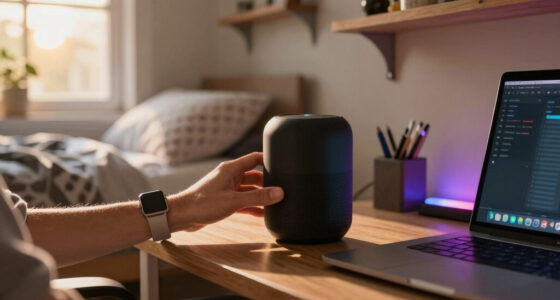
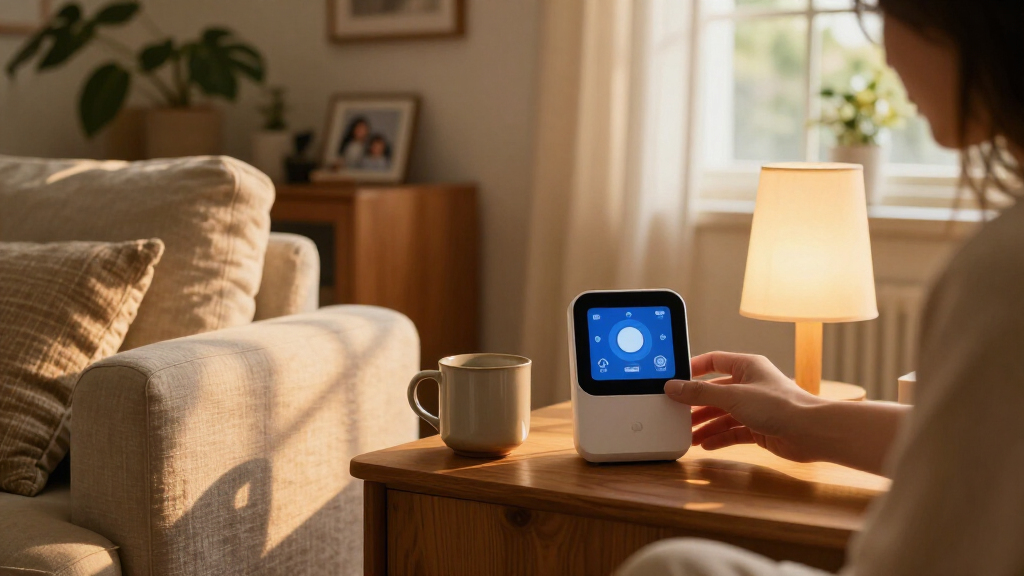
Apple has launched the Home Collection, a lineup of smart home devices developed with LG Electronics and Schneider Electric, alongside its first smart display, HomeView. Apple says Matter, AI-enhanced Siri and demand for simpler product recommendations helped make the move possible; how much the devices add beyond existing Apple Home products remains an open question.
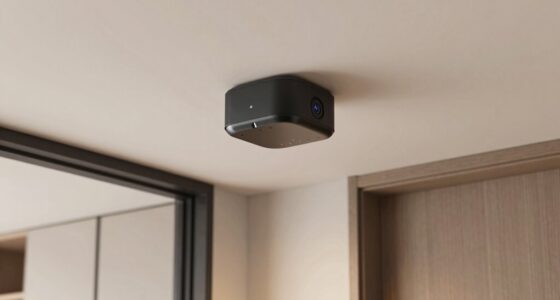
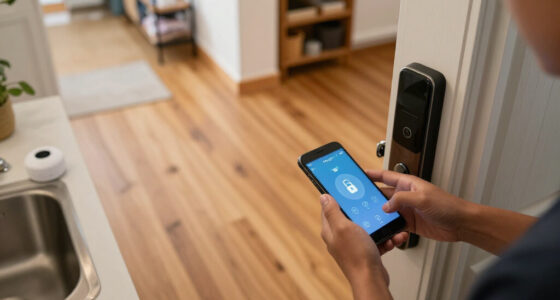
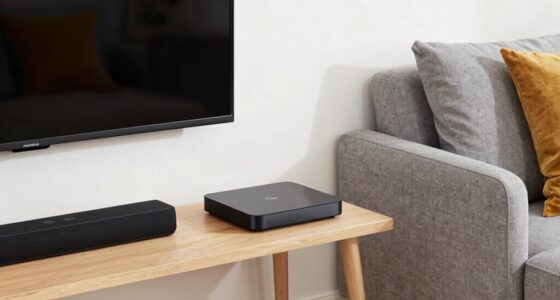
Apple has launched the Apple Home Collection, a range of cameras, thermostats, sensors, a smart door lock and a video doorbell developed with LG Electronics and Schneider Electric. The products arrived alongside HomeView, Apple’s first smart display, marking a shift for a company that has spent more than a decade building a smart home platform around devices made by other companies.
The launch gives Apple customers a short list of devices presented as designed to work together through Apple Home. The company says the products focus on simple setup, privacy and a unified app experience. Apple’s vice president of product marketing for home, Kaiann Drance, told The Verge that customers will not need separate LG or Schneider accounts to use the collection, and that the data is end-to-end encrypted.
Apple’s decision is not a withdrawal from third-party smart home products. Drance said the company will continue supporting its broader ecosystem, including devices compatible with Matter and products carrying the Works with Apple Home designation. Several collection devices—the lock, thermostats and sensors—are Matter-compatible, and every device supports Thread, according to The Verge, joining a growing range of Matter-compatible devices. The cameras use Apple’s HomeKit Secure Video rather than Matter.
The Home Collection starts at $200, according to the report. Apple is also working with ADT through its retail stores to help customers install the products. The report describes the new devices as an added layer of integration, not as a set of functions unavailable elsewhere in the Apple Home ecosystem.
Apple Seeks a Simpler Home Setup
The move addresses a weakness in Apple’s smart home pitch: customers could use HomeKit and later Matter products, but Apple had no branded hardware range to recommend as a straightforward starting point. The Verge reports that Amazon and Google have broader product ecosystems and recognizable in-house smart home brands, including Ring and Nest. Apple’s own collection gives it a more direct way to connect its hardware, software and services in the home.
That matters because adoption is not only about technical compatibility. Privacy concerns, complexity and cost can all discourage buyers, while many people may not see a clear reason to purchase connected devices. The report cites Parks Associates research identifying perceived value as the biggest barrier to smart home purchases. Apple is pitching one-tap setup and a single app to address friction, but the starting price of $200 does not answer cost concerns.
HomeView could also serve as a gateway: someone buying a display for music, recipes or calendar access may later add a camera or lock. That is a strategic possibility, not a demonstrated outcome. The launch positions Apple to present the smart home as a connected product experience, while leaving open whether its hardware will persuade customers who have not already invested in Apple products.
Apple HomeKit compatible smart cameras
As an affiliate, we earn on qualifying purchases.
As an affiliate, we earn on qualifying purchases.
From HomeKit to Apple Hardware
Apple introduced HomeKit in 2014, according to The Verge, and for years relied on outside manufacturers to make compatible devices. Matter, an interoperability standard Apple helped establish, later offered a common framework for smart home products across platforms. The new lineup arrives after that ecosystem has had time to develop, but Apple’s own products now give customers a more curated alternative to selecting devices from many brands.
Drance told The Verge that two developments helped make the timing right: Matter provided an ecosystem, while advances in AI enabled a more conversational Siri experience for HomeView. She said the combination made it possible for Apple to deliver a dedicated home device in a way it could not before. The report does not describe the launch as replacing Matter or the wider Apple Home catalog; instead, Apple is adding a branded range within it.
Apple chose to develop the products with partners rather than manufacture the collection alone. Drance described LG as bringing consumer-products experience and Schneider Electric as bringing expertise in home building and installations. She said Apple contributed the design approach. That partnership lets Apple shape a curated experience while drawing on companies with established home-product operations.
“With the magic of Siri AI, it comes together in a way that we haven’t been able to deliver before.”
— Kaiann Drance, Apple’s vice president of product marketing for home, speaking to The Verge
As an affiliate, we earn on qualifying purchases.
Matter Support Has One Exception
It is not yet clear how much the collection will add in day-to-day use beyond tighter integration and Apple’s chosen setup experience. The Verge reports that Apple has not announced Matter support for the cameras, which instead use HomeKit Secure Video. The report notes that the devices’ Thread radios may indicate technical readiness, but Apple has not confirmed that the cameras will gain Matter support or explained whether it is waiting for the standard to support encrypted video uploads.
The report also does not provide sales forecasts, a release schedule for each product, or evidence that the lineup will change smart home adoption. Apple’s privacy and simplicity claims are attributed to the company; the launch alone does not establish how customers will respond or how the products compare with alternatives on price and performance.
Matter-compatible smart thermostats
As an affiliate, we earn on qualifying purchases.
As an affiliate, we earn on qualifying purchases.
Watch for Availability Details
The immediate next questions are when each Home Collection product will be available, how pricing varies across the lineup, and whether Apple will publish further technical details about camera support. Apple’s work with ADT through its retail stores points to installation assistance as part of the rollout, but the report does not specify service availability or the schedule.
Customers and developers will also be watching for any expansion of Matter support, particularly for cameras. For now, Apple says the Home Collection will sit alongside the wider Matter and Works with Apple Home ecosystem. Whether HomeView leads more people to add smart devices will become clearer only after the products reach customers.
As an affiliate, we earn on qualifying purchases.
Key Questions
What is in Apple’s Home Collection?
The lineup includes cameras, thermostats, sensors, a smart door lock and a video doorbell. Apple launched it with HomeView, its first smart display, according to The Verge.
Why is Apple making smart home devices now?
Apple executive Kaiann Drance told The Verge that Matter and AI-enhanced Siri helped make the move possible. The company also says customers sometimes want guidance on which devices to buy.
Will Apple stop supporting other smart home brands?
No such change was announced. Drance said Apple will continue supporting Matter-compatible devices and Works with Apple Home products, alongside the new collection.
Do all the new devices support Matter?
No. The Verge reports that the lock, thermostats and sensors are Matter-compatible, while the cameras use HomeKit Secure Video. Every device in the collection supports Thread, according to the report.
How much do the Apple Home Collection products cost?
The reported starting price is $200. The source does not give prices for every product or a detailed availability schedule.
Source: rss
NFL season / tailgating Picks
team gear
As an affiliate, we earn on qualifying purchases.