
TL;DR

Get home appliances delivered free — and shop member deals
- Fast, free delivery on millions of items
- Access to Prime Big Deal Days deals on October 6–7
- Prime Video, Amazon Music and more included
A Family Handyman report recommends checking insulation and air leaks in 10 areas before winter, starting with the attic and roof. Contractors cited in the report say the work can help limit heat loss and protect pipes, but the right materials and need for upgrades depend on each home.
A Family Handyman winterization report advises homeowners to check 10 areas for insulation gaps and air leaks before cold weather, beginning with the attic and roof. Contractors quoted in the report say these checks can help reduce heat loss and lower the risk of pipes freezing in unheated spaces.
Attics and roof spaces are the report’s first priority. Roofer Andre Kazimierski says aging roofs can develop gaps that admit cold air, while insufficient insulation along the attic floor can allow heat to escape from living areas. He recommends arranging a roofer’s inspection for an old or weathered roof and filling gaps or adding insulation where needed. Vented attics also need to remain thermally separated from the rest of the house.
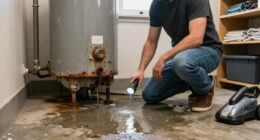
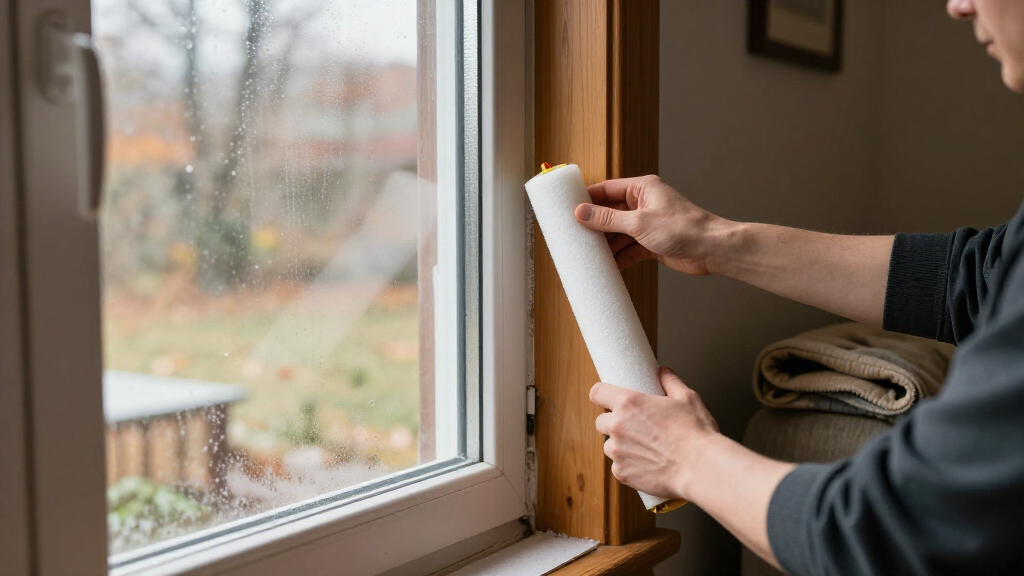
The checklist also covers exterior walls, windows and doors, pipes, basements and crawl spaces. Contractor Bob Cardwell says blown-in insulation can suit finished walls that homeowners do not want to open, while spray foam can help seal wall gaps. For windows and exterior doors, he recommends checking rubber seals and weatherstripping in fall and replacing worn parts. Pipes near exterior walls or in unheated attics, basements and crawl spaces may need protection from freezing; hot-water pipes can also be insulated to reduce heat loss.
The remaining areas are garage walls and ceilings, HVAC ductwork, electrical outlets, and small openings around pipes and wires. Cardwell says a garage generally need not be fully insulated, though a shared wall with the home should be. He recommends checking exposed ducts for leaks while the system runs and sealing them with mastic or UL-listed foil tape. Foam gaskets can reduce drafts at outlets, while caulk or spray foam can seal small gaps around penetrations.
Where Heat Loss Can Add Up
Heat escaping through a roof, walls, ducts or small gaps can make a home harder to keep warm. The report says insulation and air sealing may also help limit winter energy costs and reduce the chance of plumbing freezing in cold, unheated spaces. Those outcomes depend on the home’s condition, local weather and the quality of the work; the report does not provide savings estimates.
The list distinguishes between insulating materials and air sealing. Insulation slows heat transfer through building materials, while sealing gaps limits drafts. Kazimierski says sealing gaps can improve overall insulation, but advises that sealing alone does not address heat transfer through the structure.
A Fall Check Before Cold Weather
The report presents the checklist as seasonal maintenance, not a claim that every house needs all 10 areas upgraded. Some items call for inspection rather than annual replacement: Cardwell says window and door rubber seals do not need replacing every year, but should be checked in fall because they can shrink or become brittle over time.
Attic advice in the report focuses on separating vented attic space from the home’s heated rooms by insulating the attic floor. It also suggests inspecting the roof and addressing gaps where cold air enters. The report notes that adding insulation may be suitable in some situations, but does not assess individual homes or specify local code requirements.
“Sealing gaps goes a very long way with improving overall insulation.”
— Andre Kazimierski, HomeHero Roofing
What Each Home Still Needs
The report does not establish which upgrades a particular home needs, how much insulation is sufficient, or what savings a homeowner might see. Those questions depend on the building, existing materials, climate and condition of the roof and heating system. It also does not give a complete account of applicable building codes or permit requirements.
Its source text ends during an answer about whether fall is the best time to add attic insulation. It says Cardwell considers spring the best time, but the explanation is cut off, so the reason is not available in the material provided.
Inspect, Seal and Protect Pipes
Before temperatures fall, homeowners can inspect attic insulation, roof gaps, door and window seals, exposed plumbing and accessible ductwork. The report recommends contacting a roofer to inspect an old or weathered roof and using suitable materials for the location, particularly in damp basements or garages.
For work involving electrical systems, gas, structural changes or roofing, consult a licensed professional and follow applicable safety and permit requirements. Pipes in spaces that regularly fall below freezing may need measures suited to those conditions; Cardwell specifically mentions electric heat cables for such locations.
Key Questions
Which area should homeowners check first?
The report puts the attic and roof first. Cody Purtle says heat rises and can escape through a roof when attic insulation is inadequate.
Do all water pipes need insulation?
No. The report focuses on pipes near exterior walls and in unheated spaces such as attics, basements and crawl spaces. It also recommends insulating hot-water pipes to reduce heat loss.
Does a garage need to be fully insulated?
Not necessarily. Cardwell says a garage generally does not need full insulation, but a wall it shares with the house should be insulated. A garage used for other purposes may need treatment more like the rest of the home.
What should be used to seal duct leaks?
Cardwell recommends mastic or UL-listed foil tape for exposed HVAC duct leaks. He says ordinary duct tape dries out and does not work well on HVAC ducts.
Source: rss
NFL season / tailgating Picks
team gear
As an affiliate, we earn on qualifying purchases.