
TL;DR
Santiago has initiated a large-scale public art project, painting neighborhoods in bright colors to recover urban spaces and foster community engagement. The project aims to improve local environments and social cohesion.
Santiago has begun a city-led initiative to paint neighborhoods in vibrant colors, aiming to recover urban spaces and revitalize community life. The project involves painting facades, walls, and public spaces across several districts, with the goal of fostering social cohesion and improving local environments. Officials and community leaders see this as a strategic move to combat urban decay and foster a sense of pride among residents.
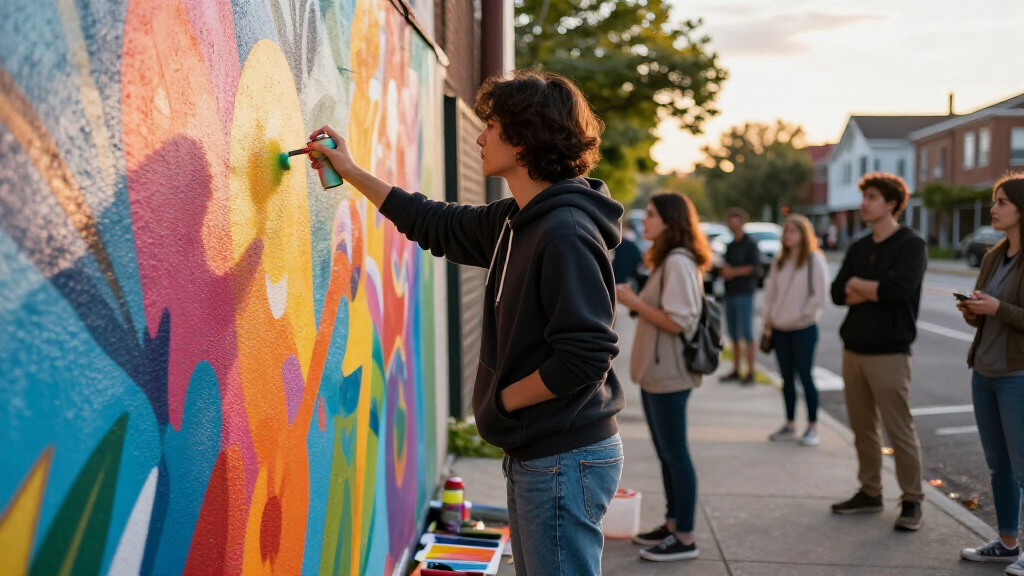
The initiative, coordinated by the Santiago municipal government and supported by Enel Chile, started in early 2024. It covers multiple neighborhoods that have experienced economic and social challenges, with the primary focus on using color as a tool for urban renewal. The project includes community participation, with residents and local artists involved in choosing color schemes and designs.
According to Santiago’s urban planning department, the goal is to create more inviting, lively environments that encourage community interaction and deter vandalism. The city reports that over 20 neighborhoods have been painted so far, with plans to expand to additional districts in the coming months.
Local residents and community organizations have expressed mixed reactions. Many welcome the brightening of their neighborhoods and see it as a positive step toward recovery. Others have raised concerns about the maintenance and longevity of the painted surfaces, emphasizing the need for ongoing upkeep and community involvement.
Impact of Colorful Urban Renewal on Santiago Communities
This project matters because it represents a strategic effort to combat urban decline through aesthetic renewal, which can have social and economic benefits. Brightly colored neighborhoods can attract visitors, foster community pride, and reduce crime by creating more active, engaged environments. The initiative also demonstrates how public art and urban design can be tools for social cohesion and neighborhood recovery.
Furthermore, the project aligns with broader efforts in Latin America to use creative urban interventions as a means of social development. If successful, it could serve as a model for other cities facing similar challenges, emphasizing the importance of community participation and sustainable maintenance.
As an affiliate, we earn on qualifying purchases.
Urban Challenges and the Role of Public Art in Santiago
Santiago has faced ongoing issues with urban decay, economic disparity, and social fragmentation in certain districts. Many neighborhoods have struggled with neglect, vandalism, and low investment, impacting residents’ quality of life. Previous efforts to revitalize these areas have included infrastructure upgrades and social programs, but urban aesthetics have often been overlooked.
The city’s current initiative builds on a growing recognition that visual and environmental improvements can significantly influence social dynamics. Public art projects, like murals and color schemes, have been used in other Latin American cities with notable success, helping to foster community pride and deter vandalism. The involvement of local artists and residents in Santiago’s project aims to ensure that the color schemes resonate culturally and socially.
Supporters argue that such initiatives are part of a broader strategy to make Santiago more livable, attractive, and inclusive, especially in neighborhoods most affected by economic hardship.
“This initiative is about more than aesthetics; it’s about rebuilding community spirit and creating spaces where residents feel proud to live.”
— Santiago Mayor’s Office
As an affiliate, we earn on qualifying purchases.
Long-term Maintenance and Community Engagement Challenges
It is still unclear how the city plans to sustain the painted surfaces over time, especially regarding maintenance and vandalism prevention. While initial reactions are positive, ongoing community involvement and funding for upkeep remain uncertain. Additionally, the long-term social impact of the project has yet to be measured, and whether it will lead to sustained neighborhood recovery is still to be seen.
As an affiliate, we earn on qualifying purchases.
Upcoming Expansion and Evaluation of Impact
The city plans to expand the colorful painting initiative to additional neighborhoods over the next six months. Officials also intend to monitor the project’s impact through surveys and community feedback, assessing whether it contributes to social cohesion and urban renewal. Further, they are exploring partnerships with local organizations to ensure ongoing maintenance and community participation.
As an affiliate, we earn on qualifying purchases.
Key Questions
What neighborhoods are being painted in Santiago?
Several neighborhoods, including La Granja, Cerro Navia, and San Miguel, have already been painted, with plans to expand to more districts in the coming months.
Who is funding the colorful painting project?
The initiative is primarily funded by the Santiago municipal government, with support from Enel Chile and local community organizations.
How are residents involved in the project?
Residents participate in selecting color schemes and designs, and local artists are commissioned to help execute the murals and paint jobs, fostering community ownership.
Will the painted surfaces be maintained over time?
The city has acknowledged the importance of maintenance but has not yet detailed long-term plans for upkeep or vandalism prevention beyond initial efforts.
Source: local