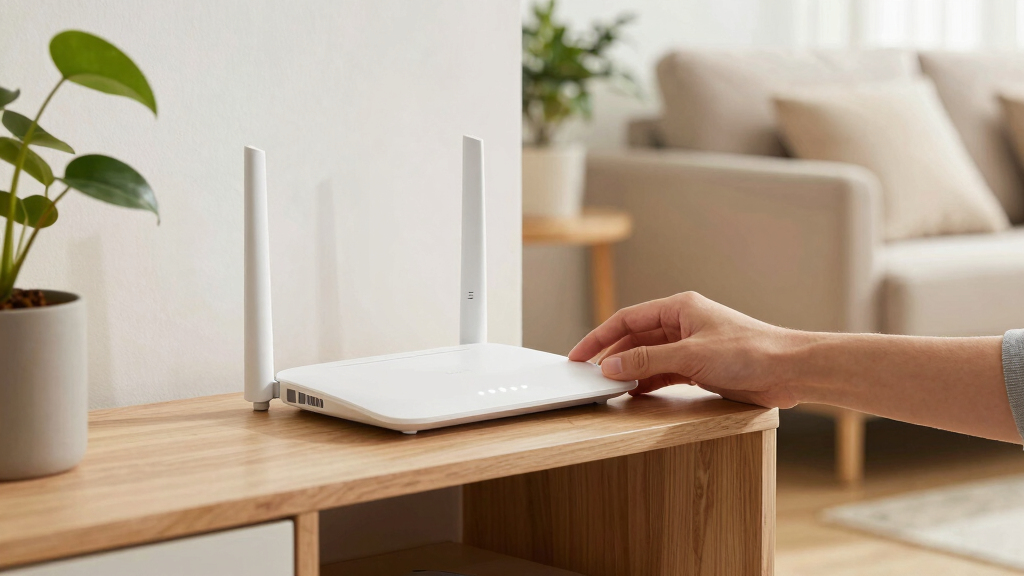

Choosing the best Wi-Fi router in 2026 depends on your specific internet needs, budget, and home setup. The NETGEAR Nighthawk WiFi 7 Router (BE9300) stands out as the overall top pick for its cutting-edge Wi-Fi 7 technology and robust performance. For those seeking excellent coverage at a reasonable price, the eero 7 Dual-Band Mesh Wi-Fi 7 Router offers seamless mesh networking. Meanwhile, gamers and power users might prefer the ASUS ROG Strix GS-BE12000 WiFi 7 Router for its high speeds and gaming-focused features. The main tradeoffs involve balancing speed, coverage, ease of setup, and price, which can be challenging given the rapid tech advancements. Continue reading for a detailed breakdown of these options and more to find your perfect match.

Get home appliances delivered free with Prime
- Fast, free delivery on millions of items
- Prime Video, Amazon Music and more included
- Member-only deals all year
Key Takeaways
- Wi-Fi 7 routers dominate the high-end market, offering faster speeds and better future-proofing than Wi-Fi 6 models.
- Mesh systems like the eero 7 excel in coverage and ease of expansion, ideal for large or multi-floor homes.
- High-performance gaming routers such as the ASUS ROG Strix deliver exceptional speeds but come at a premium price.
- Support for multiple devices and advanced security features are key factors that differentiate top routers from budget options.
- Price often correlates with features; investing more generally yields better coverage, speed, and future compatibility.
| NETGEAR Nighthawk WiFi 7 Router (BE9300) |  | Best Overall Wi-Fi 7 Router for High-Speed Performance | Speed: 9.3Gbps | WiFi Bands: Tri-band | Coverage: 2,500 sq. ft. | VIEW LATEST PRICE | See Our Full Breakdown |
| eero 7 Dual-Band Mesh Wi-Fi 7 Router – Supports Internet Plans up to 2.5 Gbps, Coverage up to 2,000 sq. ft., 1-Pack |  | Best for Easy Whole-Home Wi-Fi Expansion | Wi-Fi Technology: Wi-Fi 7 | Speed: up to 1.8 Gbps | Coverage: 2000 sq. ft. | VIEW LATEST PRICE | See Our Full Breakdown |
| NETGEAR Nighthawk Dual-Band WiFi 7 Router (RS200) – Up to 6.5 Gbps, Covers 2,500 sq. ft., Supports 80 Devices | | Best for High-Speed Dual-Band Wi-Fi 7 Performance | Wireless Speed: up to 6.5 Gbps | Coverage Area: 2,500 sq. ft. | Device Capacity: 80 devices | VIEW LATEST PRICE | See Our Full Breakdown |
| TP-Link Deco X55 AX3000 WiFi 6 Mesh System – Covers up to 2500 Sq.Ft., 3 Gigabit Ports, Supports Ethernet Backhaul, 1-Pack |  | Best for Whole-Home Wi-Fi with Wi-Fi 6 Technology | WiFi Standard: Wi-Fi 6 (AX3000) | Coverage: 2500 sq ft | Number of Ports: 3 Gigabit Ethernet | VIEW LATEST PRICE | See Our Full Breakdown |
| ASUS RT-AX1800S Dual Band WiFi 6 Extendable Router with Network Security and Parental Controls |  | Best for Secure Wi-Fi 6 with Expandability | WiFi Standard: Wi-Fi 6 (802.11ax) | Antennas: 4 external antennas | Processor: Dual-core | VIEW LATEST PRICE | See Our Full Breakdown |
| TP-Link Tri-Band WiFi 7 Router (Archer BE600) with 10G Port and HomeShield Security |  | Best Overall for High-Performance Large Homes | WiFi Technology: WiFi 7 | Max Speed: 5,765 Mbps on 6 GHz | Coverage: Up to 2,600 sq. ft. | VIEW LATEST PRICE | See Our Full Breakdown |
| NETGEAR Nighthawk Dual-Band WiFi 7 Router (RS90) |  | Best for High-Speed Dual-Band WiFi 7 Performance | WiFi Speed: up to 3.6 Gbps | Bands: Dual-band 2.4 GHz + 5 GHz | Coverage: up to 2,000 sq. ft. | VIEW LATEST PRICE | See Our Full Breakdown |
| TP-Link AX1800 WiFi 6 Router (Archer AX21 V5) |  | Best for Budget-Conscious Dual-Band WiFi 6 Users | Technology: Wi-Fi 6 (802.11ax) | Bands: Dual-Band | Total Bandwidth: 1.8 Gbps | VIEW LATEST PRICE | See Our Full Breakdown |
| ASUS ROG Strix GS-BE12000 WiFi 7 Tri-Band Router, 12000 Mbps, 20G Wired Capacity, 3000 sq. ft. Coverage |  | Best for Gaming and Power Users Needing Extreme Speed | WiFi Standard: WiFi 7 | Max Throughput: 12000 Mbps | Wired Capacity: 20G | VIEW LATEST PRICE | See Our Full Breakdown |
| TP-Link AXE5400 Tri-Band WiFi 6E Router (Archer AXE75) |  | Best for Future-Proof Home Networks with WiFi 6E | WiFi Speed: up to 5400 Mbps | Bands: Tri-Band (6 GHz, 5 GHz, 2.4 GHz) | Processor: Dual-Core 1.0 GHz | VIEW LATEST PRICE | See Our Full Breakdown |
| NETGEAR Nighthawk AX2700 WiFi 6 Cable Modem Router Combo (CAX30) |  | Best Overall Wi-Fi Router with Built-in Modem | Compatibility: Xfinity, Spectrum, Cox, others | WiFi Technology: WiFi 6 (AX2700) | Coverage: up to 2,000 sq. ft. | VIEW LATEST PRICE | See Our Full Breakdown |
| TP-Link Archer BE3600 Wi-Fi 7 Dual-Band Router with 4.0 Gbps Speed, 2.5G Ports, USB 3.0, and Mesh Support |  | Best Wi-Fi 7 Dual-Band Router for Speed and Coverage | Wi-Fi Technology: Wi-Fi 7 | Speed: Up to 3.6 Gbps | Ports: 1×2.5 Gbps WAN/LAN, 3×1 Gbps LAN | VIEW LATEST PRICE | See Our Full Breakdown |
| TP-Link Tri-Band WiFi 7 Router (Archer BE550) with 6 Streams and 2.5G Ports |  | Best High-Performance Wi-Fi 7 for Gaming and Streaming | WiFi Bands: Tri-Band (2.4 GHz, 5 GHz, 6 GHz) | Max Speed: 5760 Mbps | Ports: 1 x 2.5G WAN, 4 x 2.5G LAN | VIEW LATEST PRICE | See Our Full Breakdown |
| GL.iNet GL-BE9300 (Flint 3) Tri-Band Wi-Fi 7 Router, High-Speed 6GHz Gaming WiFi Router for Wireless Internet, Long Range, 5 x 2.5G VPN Routers for Fiber Optic Modem, Computer Routers, Home & Business |  | Best Ultra-Fast Wi-Fi 7 for Gaming and Long Range | WiFi Standard: Wi-Fi 7 | Speed: up to 9 Gbps | Coverage: up to 2,000 sq. ft. | VIEW LATEST PRICE | See Our Full Breakdown |
| NETGEAR WiFi 6 Router (R6700AX) – AX1800 Dual-Band, Up to 1.8 Gbps, Covers 1500 sq ft, Supports 20 Devices |  | Best Budget WiFi 6 Router for Small to Medium Homes | Wireless Speed: Up to 1.8 Gbps | Bands: Dual-band (2.4 GHz, 5 GHz) | Coverage: up to 1,500 sq. ft. | VIEW LATEST PRICE | See Our Full Breakdown |
| Wi-Fi router | Coverage | Security | Ports |
|---|---|---|---|
| NETGEAR Nighthawk WiFi 7 Route | 2,500 sq. ft. | — | — |
| eero 7 Dual-Band Mesh Wi-Fi 7 | 2000 sq. ft. | — | 2 auto-sensing 2.5 GbE |
| NETGEAR Nighthawk Dual-Band Wi | — | — | — |
| TP-Link Deco X55 AX3000 WiFi 6 | 2500 sq ft | — | — |
| ASUS RT-AX1800S Dual Band WiFi | — | AiProtection, VPN | 1 WAN, 4 LAN |
| TP-Link Tri-Band WiFi 7 Router | Up to 2,600 sq. ft. | HomeShield Security, VPN support | 1x 10 Gbps WAN/LAN, 1x 2.5 Gbps WAN/LAN, 3x 2.5 Gbps LAN |
| NETGEAR Nighthawk Dual-Band Wi | up to 2,000 sq. ft. | WPA3, NETGEAR Armor | 1 x 2.5 Gig WAN, 4 x Gigabit LAN |
| TP-Link AX1800 WiFi 6 Router | — | Advanced security with VPN support | — |
| ASUS ROG Strix GS-BE12000 WiFi | 3000 sq. ft. | — | — |
| TP-Link AXE5400 Tri-Band WiFi | — | WPA3, VPN | 1.5 Gbps WAN |
| NETGEAR Nighthawk AX2700 WiFi | up to 2,000 sq. ft. | NETGEAR Armor included | — |
| TP-Link Archer BE3600 Wi-Fi 7 | up to 2,000 sq. ft. | HomeShield | 1×2.5 Gbps WAN/LAN, 3×1 Gbps LAN |
| TP-Link Tri-Band WiFi 7 Router | Up to 2,000 sq. ft. | WPA3, VPN support | 1 x 2.5G WAN, 4 x 2.5G LAN |
| GL.iNet GL-BE9300 | up to 2,000 sq. ft. | — | 5 x 2.5G LAN |
| NETGEAR WiFi 6 Router | up to 1,500 sq. ft. | WPA3 encryption | — |
More Details on Our Top Picks
NETGEAR Nighthawk WiFi 7 Router (BE9300)
The NETGEAR Nighthawk BE9300 stands out as the best overall Wi-Fi 7 router due to its exceptional speed up to 9.3Gbps and broad coverage of 2,500 sq. ft. This model excels in supporting demanding activities like gaming, 4K streaming, and busy smart home setups, especially when compared to the eero 7, which offers slightly lower speeds but easier mesh expansion. A key tradeoff is its need for a separate modem and its U.S.-only design, which might limit some users. Its high device capacity and wired port options make it ideal for tech-heavy households, though it’s less suited for users seeking an all-in-one modem/router or those outside the U.S.
Pros:- Speeds up to 9.3Gbps ideal for intensive online activities
- Large coverage area of 2,500 sq. ft. supports big homes
- Supports up to 100 devices simultaneously
Cons:- Requires a separate modem for internet access
- No built-in modem included, increasing setup complexity
- Limited to U.S. use, restricting international buyers
Best for: Power users who want maximum Wi-Fi 7 speeds for gaming and streaming in a large home
Not ideal for: Casual users or those seeking an all-in-one modem-router solution outside the U.S.
- Speed:9.3Gbps
- WiFi Bands:Tri-band
- Coverage:2,500 sq. ft.
- Internet Port:2.5 Gigabit
- Dimensions:9.8 x 5.9 x 4 inches
- Device Support:Up to 100 devices
Our verdict“This router is best suited for high-demand households needing top-tier Wi-Fi 7 performance and extensive coverage.”
eero 7 Dual-Band Mesh Wi-Fi 7 Router – Supports Internet Plans up to 2.5 Gbps, Coverage up to 2,000 sq. ft., 1-Pack
The eero 7 offers an affordable entry into Wi-Fi 7 with reliable coverage of 2,000 sq. ft. and support for internet plans up to 2.5 Gbps. Its mesh design makes it straightforward to expand coverage by adding additional units, which makes it more flexible than the NETGEAR BE9300 for those with larger or multi-story homes. While it supports over 120 devices, its maximum speed is 1.8 Gbps wirelessly, slightly below the NETGEAR RS200‘s 6.5Gbps, but it provides a more seamless, scalable experience. The main tradeoff is that a single unit may not suffice for very large or demanding households, requiring multiple units for optimal coverage.
Pros:- Supports internet plans up to 2.5 Gbps for fast connectivity
- Expandable mesh system simplifies coverage extension
- Supports over 120 devices concurrently
Cons:- Limited to 1-pack, may require multiple units for large homes
- Wireless speed capped at 1.8 Gbps, lower than some high-end routers
- Requires compatible internet plan for full performance
Best for: Homeowners seeking simple expansion and reliable Wi-Fi coverage with minimal setup fuss
Not ideal for: Heavy gamers or streamers needing maximum speeds or large device capacity in a single unit
- Wi-Fi Technology:Wi-Fi 7
- Speed:up to 1.8 Gbps
- Coverage:2000 sq. ft.
- Device Support:120+ devices
- Ports:2 auto-sensing 2.5 GbE
- Compatibility:Backward compatible with all previous eero generations
Our verdict“This mesh system is ideal for those prioritizing simple expansion and reliable coverage over maximum raw speed.”
NETGEAR Nighthawk Dual-Band WiFi 7 Router (RS200) – Up to 6.5 Gbps, Covers 2,500 sq. ft., Supports 80 Devices
The NETGEAR Nighthawk RS200 offers impressive dual-band Wi-Fi 7 speeds up to 6.5Gbps and coverage of 2,500 sq. ft., making it a solid choice for fast, reliable internet in medium to large homes. Compared to the BE9300, it sacrifices tri-band support but emphasizes high-speed performance on two bands, which can be advantageous for users with devices spread across different frequency bands. Its support for 80 devices balances speed with device capacity, though it lacks integrated smart home features and requires a separate modem. This model is well-suited for households prioritizing speed and coverage but not necessarily needing mesh capabilities or extensive device management features.
Pros:- Speeds up to 6.5Gbps suitable for demanding tasks
- Large coverage area of 2,500 sq. ft.
- Supports up to 80 devices simultaneously
Cons:- Requires a separate modem for internet access
- Limited to router functionality, no mesh features
- No smart home or advanced security integrations
Best for: Families seeking a high-speed, dual-band Wi-Fi 7 router for streaming and gaming in a large home
Not ideal for: Smart home enthusiasts or users wanting mesh expandability and integrated security
- Wireless Speed:up to 6.5 Gbps
- Coverage Area:2,500 sq. ft.
- Device Capacity:80 devices
- Internet Port:2.5 Gigabit Ethernet
- Number of Ports:4
- Wi-Fi Generation:Wi-Fi 7
Our verdict“This router is best for users who need fast, extensive coverage with high device support but don’t require mesh networking or built-in smart home support.”
TP-Link Deco X55 AX3000 WiFi 6 Mesh System – Covers up to 2500 Sq.Ft., 3 Gigabit Ports, Supports Ethernet Backhaul, 1-Pack
The TP-Link Deco X55 provides reliable whole-home coverage with Wi-Fi 6 technology, covering up to 2,500 sq. ft. and supporting wired backhaul for improved speeds. While it doesn’t have Wi-Fi 7’s raw speed, its mesh design and easy app setup make it a strong choice for households seeking seamless Wi-Fi with security features like TP-Link HomeShield. Compared to the Wi-Fi 7 routers, it may lag on maximum throughput but offers better stability and compatibility with older devices. Its three Gigabit Ethernet ports enable wired connections for gaming or workstations, making it suitable for mixed-use homes.
Pros:- Provides extensive coverage up to 2500 sq ft.
- Supports Wi-Fi 6 for good performance and future compatibility
- Supports Ethernet backhaul for stable wired connections
- Easy setup via Deco app
Cons:- Requires a modem for most internet services
- Some features may need subscription or additional setup
- Maximum throughput lower than Wi-Fi 7 options
Best for: Homeowners wanting reliable Wi-Fi 6 whole-home coverage with straightforward setup and security
Not ideal for: Users needing the latest Wi-Fi 7 speeds or planning for future-proofing with Wi-Fi 7 devices
- WiFi Standard:Wi-Fi 6 (AX3000)
- Coverage:2500 sq ft
- Number of Ports:3 Gigabit Ethernet
- Mesh System:Yes
- Supports Ethernet Backhaul:Yes
- App Support:Deco app
Our verdict“This mesh system is a solid pick for those aiming for reliable Wi-Fi 6 coverage across a large home without needing the latest Wi-Fi 7 speeds.”
ASUS RT-AX1800S Dual Band WiFi 6 Extendable Router with Network Security and Parental Controls
The ASUS RT-AX1800S offers a reliable Wi-Fi 6 experience with dual-band support, MU-MIMO, and OFDMA, making it suitable for streaming, gaming, and smart home devices. Its four external antennas boost coverage, and the inclusion of network security features like VPN and parental controls adds value for security-conscious users. Compared to mesh systems like the TP-Link Deco X55, it may have less seamless coverage, but its extendable design via AiMesh allows for future expansion. Its main tradeoff is that actual speeds can vary significantly depending on environment and device compatibility, making it less predictable for demanding applications.
Pros:- Supports Wi-Fi 6 for faster speeds and efficiency
- Includes multiple gigabit ports for wired connections
- Built-in security features like VPN and parental controls
- Extendable via AiMesh for future expansion
Cons:- Performance depends heavily on environment and device compatibility
- Lacks mesh support for seamless multi-unit coverage
- No Wi-Fi 7 support, limiting future-proofing
Best for: Users seeking a secure, extendable Wi-Fi 6 router for a smaller to medium-sized home
Not ideal for: Large households needing extensive mesh coverage or maximum throughput for intensive tasks
- WiFi Standard:Wi-Fi 6 (802.11ax)
- Antennas:4 external antennas
- Processor:Dual-core
- Speed:Supports 1024-QAM
- Ports:1 WAN, 4 LAN
- Security:AiProtection, VPN
Our verdict“This router suits security-minded users seeking a reliable Wi-Fi 6 solution with room to grow in smaller or medium-sized homes.”
TP-Link Tri-Band WiFi 7 Router (Archer BE600) with 10G Port and HomeShield Security
The TP-Link Archer BE600 stands out for its support of WiFi 7, delivering blazing speeds up to 5,765 Mbps on the 6 GHz band, which surpasses most WiFi 6 options like the AX1800. Its extensive coverage of up to 2,600 sq. ft. and capacity for 120 devices make it ideal for large households with demanding bandwidth needs. While its setup can be complex for non-tech-savvy users, its multi-port design and advanced security with HomeShield justify the premium price for those wanting maximum performance and coverage. Compared to the ASUS ROG GS-BE12000, this model offers a more straightforward setup and better security features, though it doesn’t match the raw speed of the ASUS for gaming or ultra-heavy use.
Pros:- Supports WiFi 7 for cutting-edge speeds and performance
- Extensive coverage suitable for large homes
- Multiple high-speed wired ports including 10G
Cons:- Complex setup for users unfamiliar with networking
- Premium price point may be prohibitive for some
Best for: Large households or home offices requiring top-tier speeds and coverage with advanced security.
Not ideal for: Casual users or small apartments where the high cost and complex setup aren’t justified.
- WiFi Technology:WiFi 7
- Max Speed:5,765 Mbps on 6 GHz
- Coverage:Up to 2,600 sq. ft.
- Device Capacity:120 devices
- Ports:1x 10 Gbps WAN/LAN, 1x 2.5 Gbps WAN/LAN, 3x 2.5 Gbps LAN
- Security:HomeShield Security, VPN support
Our verdict“This router makes the most sense for tech-savvy users with large homes seeking maximum speed and coverage.”
NETGEAR Nighthawk Dual-Band WiFi 7 Router (RS90)
The NETGEAR Nighthawk RS90 offers impressive dual-band WiFi 7 speeds up to 3.6 Gbps, making it a strong contender for those seeking fast, reliable wireless for medium to large homes. Its coverage of approximately 2,000 sq. ft. and multiple Ethernet ports—including a 2.5 Gigabit WAN—provide flexibility for wired and wireless devices. Unlike the more complex tri-band ASUS ROG GS-BE12000, this model simplifies setup and offers robust security via WPA3 and NETGEAR Armor, though it doesn’t quite match the ultra-high speeds needed for intensive gaming or streaming on the highest resolutions. It’s a balanced choice for users who want WiFi 7 performance without the premium price of tri-band options.
Pros:- High-performance WiFi 7 speeds up to 3.6 Gbps
- Good coverage for medium to large homes
- Multiple Ethernet ports including 2.5G
Cons:- Requires a separate modem, adding complexity
- Coverage can vary based on home layout
Best for: Home users needing high-speed WiFi 7 with solid wired and wireless options, especially in medium-large homes.
Not ideal for: Gamer or streamers who demand the absolute highest speeds or extensive multi-band coverage.
- WiFi Speed:up to 3.6 Gbps
- Bands:Dual-band 2.4 GHz + 5 GHz
- Coverage:up to 2,000 sq. ft.
- Ports:1 x 2.5 Gig WAN, 4 x Gigabit LAN
- Security:WPA3, NETGEAR Armor
- Processor:Quad-core 2.0 GHz
Our verdict“This router offers a reliable dual-band WiFi 7 experience suitable for demanding households seeking speed without excessive complexity.”
TP-Link AX1800 WiFi 6 Router (Archer AX21 V5)
The TP-Link Archer AX21 V5 provides a capable WiFi 6 experience at a budget-friendly price, offering dual-band speeds up to 1.8 Gbps, which supports streaming, gaming, and browsing for smaller households. Its four high-gain antennas and beamforming technology extend coverage reasonably well, making it a good fit for apartments or small homes. While it lacks WiFi 6E’s 6 GHz band and the raw speed of more advanced routers like the ASUS ROG GS-BE12000, it still handles multiple devices efficiently thanks to OFDMA. This model is a practical choice for users who want solid performance without paying a premium for features they might not need.
Pros:- Affordable WiFi 6 speeds for everyday use
- Supports multiple devices simultaneously with OFDMA
- Good coverage for small to medium spaces
Cons:- Does not support WiFi 6E or 6 GHz band
- Performance may decrease with large device loads or in large homes
Best for: Small households or individuals seeking reliable WiFi 6 performance on a budget.
Not ideal for: Heavy gamers or large households with many devices needing the latest WiFi 6E or tri-band features.
- Technology:Wi-Fi 6 (802.11ax)
- Bands:Dual-Band
- Total Bandwidth:1.8 Gbps
- Speed 5 GHz:up to 1200 Mbps
- Speed 2.4 GHz:up to 574 Mbps
- Security:Advanced security with VPN support
Our verdict“This router delivers dependable WiFi 6 performance for budget-conscious users in smaller spaces.”
ASUS ROG Strix GS-BE12000 WiFi 7 Tri-Band Router, 12000 Mbps, 20G Wired Capacity, 3000 sq. ft. Coverage
The ASUS ROG Strix GS-BE12000 is engineered for gaming enthusiasts and heavy users, with tri-band WiFi 7 speeds reaching up to 12000 Mbps and a wired capacity of 20G. Its extensive coverage of 3000 sq. ft. and multiple LAN ports make it suitable for very large homes and smart setups. The quad-core CPU and 2GB RAM ensure it handles data-intensive tasks smoothly, but its setup can be daunting for non-technical buyers. Compared to the TP-Link Archer BE600, it offers higher speeds and more wired options, yet at a significantly higher price and complexity. For those seeking top-tier gaming and streaming performance, this router is a compelling choice despite the steep learning curve.
Pros:- Extremely fast WiFi 7 speeds up to 12000 Mbps
- Large coverage suitable for big homes
- Multiple LAN ports and high wired capacity
Cons:- Complex setup process for non-technical users
- High price making it less accessible for casual buyers
Best for: Gamer or power user wanting the fastest WiFi 7 speeds with extensive wired connectivity.
Not ideal for: Casual users or those on a budget who won’t benefit from the high speeds or advanced features.
- WiFi Standard:WiFi 7
- Max Throughput:12000 Mbps
- Wired Capacity:20G
- Coverage:3000 sq. ft.
- CPU:Quad-core 2.0 GHz
- LAN Ports:7
Our verdict“This router is perfect for high-demand gaming and large households willing to handle a complex setup for maximum performance.”
TP-Link AXE5400 Tri-Band WiFi 6E Router (Archer AXE75)
The TP-Link Archer AXE75 offers a leap into WiFi 6E with combined speeds up to 5400 Mbps across three bands, including the new 6 GHz spectrum. It supports OneMesh and VPN, making it a flexible choice for seamless whole-home coverage and secure browsing. While it’s more complex to set up than dual-band routers like the AX1800, its high-speed performance and future-proofing make it a compelling option for tech-savvy users. Compared with WiFi 6 routers, the AXE75’s 6 GHz band helps reduce congestion, but it requires a compatible modem and can be overkill for smaller households. Its high-performance specs suit those looking to invest in a long-term, high-speed network.
Pros:- High-speed tri-band WiFi 6E with 5400 Mbps total bandwidth
- Supports OneMesh for seamless coverage
- Advanced security features including VPN and WPA3
Cons:- Requires a compatible modem, adding setup complexity
- Setup may be challenging for non-technical users
Best for: Users ready to upgrade to WiFi 6E seeking a versatile, future-proof router for large or demanding homes.
Not ideal for: Casual users or those with limited budget and less demanding internet needs, due to setup complexity and cost.
- WiFi Speed:up to 5400 Mbps
- Bands:Tri-Band (6 GHz, 5 GHz, 2.4 GHz)
- Processor:Dual-Core 1.0 GHz
- Memory:512 MB
- Ports:1.5 Gbps WAN
- Security:WPA3, VPN
Our verdict“This WiFi 6E router offers a robust future-proof solution for tech enthusiasts ready to leverage the latest wireless spectrum.”
NETGEAR Nighthawk AX2700 WiFi 6 Cable Modem Router Combo (CAX30)
This combo device stands out for its seamless integration of a DOCSIS 3.1 cable modem with a WiFi 6 router, making it a strong choice for users who want a straightforward setup without multiple devices. Compared with the NETGEAR R6700AX, it offers multi-gigabit internet speeds and extensive coverage, ideal for large homes and many devices. The built-in security with NETGEAR Armor adds value, but compatibility limits it to certain providers like Xfinity and Spectrum, excluding Verizon or AT&T. The app-based setup simplifies initial installation, yet some may find the process less intuitive than plug-and-play options. Overall, this makes the most sense for households seeking a combined modem/router that future-proofs their WiFi with latest security and speed features.
Pros:- Combines modem and WiFi router in one device for simplicity
- Supports WiFi 6 for faster, more reliable wireless connections
- Coverage suitable for large homes and multiple devices
- Includes comprehensive security with NETGEAR Armor
Cons:- Limited to certain cable providers; incompatible with Verizon, AT&T, or DSL
- App setup may be complex for less tech-savvy users
Best for: Large homes with cable internet service needing fast, reliable WiFi and a modem-in-one solution
Not ideal for: Users with DSL or fiber providers like Verizon or AT&T, since it’s incompatible with those services
- Compatibility:Xfinity, Spectrum, Cox, others
- WiFi Technology:WiFi 6 (AX2700)
- Coverage:up to 2,000 sq. ft.
- Concurrent Devices:25
- Ethernet Ports:4 Gigabit Ethernet ports (supports port aggregation)
- Cable Modem Standard:DOCSIS 3.1
- Channel Bonding:32×8
- Security:NETGEAR Armor included
Our verdict“This device is ideal for cable subscribers seeking a high-performance, all-in-one WiFi 6 solution for large households.”
TP-Link Archer BE3600 Wi-Fi 7 Dual-Band Router with 4.0 Gbps Speed, 2.5G Ports, USB 3.0, and Mesh Support
The Archer BE3600 delivers impressive Wi-Fi 7 speeds up to 3.6 Gbps, making it a top choice for those who need high-speed connectivity for streaming, gaming, and multiple devices. Unlike the tri-band Archer BE550, it simplifies setup with a dual-band design but sacrifices the additional 6 GHz band, which could limit performance in very dense environments. Its 2.5 Gbps ports and Mesh compatibility offer future-proofing and flexible coverage, yet performance can fluctuate depending on obstacles and environment. The Tether app streamlines configuration, but the need for a separate modem means added complexity for some users. Overall, this pick suits tech enthusiasts wanting fast Wi-Fi 7 with robust port options and mesh expansion potential.
Pros:- Supports Wi-Fi 7 with high-speed multi-link operation
- Multiple high-speed ports including 2.5Gbps ports
- Mesh network compatible for seamless whole-home coverage
- Easy setup via Tether app
Cons:- Performance may vary depending on environment and obstacles
- Requires a separate modem for internet access
Best for: Gamers and streamers needing fast, reliable Wi-Fi 7 with extensive port options in a large home
Not ideal for: Users seeking an all-in-one device with integrated modem, or those in environments with many obstacles that may hinder Wi-Fi 7 performance
- Wi-Fi Technology:Wi-Fi 7
- Speed:Up to 3.6 Gbps
- Ports:1×2.5 Gbps WAN/LAN, 3×1 Gbps LAN
- Coverage:up to 2,000 sq. ft.
- Security:HomeShield
- Compatibility:Works with EasyMesh, Alexa, Google Assistant
Our verdict“This router is well-suited for users demanding ultra-fast Wi-Fi 7 with versatile port and mesh support for large or demanding homes.”
TP-Link Tri-Band WiFi 7 Router (Archer BE550) with 6 Streams and 2.5G Ports
The Archer BE550’s tri-band setup with speeds up to 5760 Mbps is tailored for heavy streaming, gaming, and large device loads. Its 6 streams and full 2.5G ports make it highly capable, especially compared to dual-band options like the Archer BE3600. The inclusion of full Wi-Fi 7 support, VPN options, and WPA3 encryption adds advanced security and flexibility. However, the need for a modem to connect to most ISPs, plus its higher price, means it’s best suited for those who already understand these technical requirements. Setup via the Tether app is straightforward, but non-technical buyers may find it slightly daunting. Overall, it caters to power users seeking top-tier Wi-Fi 7 performance and security in a premium package.
Pros:- High-speed tri-band WiFi 7 with 5760 Mbps total bandwidth
- Full 2.5G ports for wired connections and future-proofing
- Supports full Wi-Fi 7 features including 6 streams and advanced security
- EasyMesh support for expansion
Cons:- Requires a modem for most internet providers
- Higher price point may be prohibitive for some buyers
Best for: Power users, gamers, and streamers who require maximum speed and security for demanding online activities
Not ideal for: Casual users or those on a tight budget, as the setup and cost may be overwhelming
- WiFi Bands:Tri-Band (2.4 GHz, 5 GHz, 6 GHz)
- Max Speed:5760 Mbps
- Ports:1 x 2.5G WAN, 4 x 2.5G LAN
- Coverage:Up to 2,000 sq. ft.
- Security:WPA3, VPN support
- Compatibility:Works with Alexa, Google, all WiFi gen
Our verdict“This router is perfect for tech-savvy users demanding maximum Wi-Fi 7 speeds and security for high-demand applications.”
GL.iNet GL-BE9300 (Flint 3) Tri-Band Wi-Fi 7 Router, High-Speed 6GHz Gaming WiFi Router for Wireless Internet, Long Range, 5 x 2.5G VPN Routers for Fiber Optic Modem, Computer Routers, Home & Business
The GL.iNet FLINT 3 offers extraordinary speeds up to 9 Gbps with tri-band Wi-Fi 7, making it a standout for gaming, streaming, and demanding data tasks. Its long-range coverage and support for over 100 devices ensure reliability in busy environments. Unlike other Wi-Fi 7 routers, it emphasizes gaming and high-performance fiber optic setups with extensive VPN support, making it an excellent choice for power users and small business applications. However, VPN speeds can vary depending on provider and network conditions, and the advanced features may require technical expertise during setup. Firmware updates are recommended to maximize performance, but overall, it’s a versatile, high-speed router for those who need cutting-edge wireless technology and exceptional range.
Pros:- Ultra-fast Wi-Fi 7 speeds up to 9 Gbps for demanding tasks
- Long-range coverage up to 2,000 sq ft with high device capacity
- Supports extensive VPN configurations for privacy and security
- Ideal for gaming, streaming, and fiber optic setups
Cons:- VPN speeds may be inconsistent depending on provider and network conditions
- Setup complexity may challenge less experienced users
Best for: Gamers, streaming enthusiasts, and small businesses needing ultra-fast speeds and extensive device support
Not ideal for: Less tech-savvy users or those with simple browsing needs, due to complex setup and advanced features
- WiFi Standard:Wi-Fi 7
- Speed:up to 9 Gbps
- Coverage:up to 2,000 sq. ft.
- Device Capacity:over 100 devices
- VPN Support:Yes
- Ports:5 x 2.5G LAN
Our verdict“This router is best suited for advanced users and small businesses needing maximum speed, range, and VPN flexibility.”
NETGEAR WiFi 6 Router (R6700AX) – AX1800 Dual-Band, Up to 1.8 Gbps, Covers 1500 sq ft, Supports 20 Devices
The NETGEAR R6700AX offers reliable WiFi 6 performance at a competitive price, covering up to 1500 sq ft and supporting around 20 devices simultaneously. Compared with higher-end WiFi 6 models like the Archer BE3600, it provides decent speeds for streaming, gaming, and everyday tasks without the premium cost. Its dual-band setup keeps things straightforward, but it lacks the extended coverage or advanced features of more expensive options. Easy setup via the Nighthawk app makes it accessible for casual users, though it might fall short in very large or densely populated environments. This makes it a sensible pick for budget-conscious households with moderate internet demands.
Pros:- Affordable WiFi 6 performance suitable for most daily activities
- Supports multiple devices without noticeable slowdown
- Simple setup via Nighthawk app or web browser
- Built-in security features like WPA3
Cons:- Limited coverage for larger homes; needs mesh or extender for full coverage
- Requires a separate modem or ISP gateway for internet access
Best for: Small to medium households needing reliable Wi-Fi 6 performance on a budget
Not ideal for: Large homes or users requiring extensive device capacity and maximum throughput
- Wireless Speed:Up to 1.8 Gbps
- Bands:Dual-band (2.4 GHz, 5 GHz)
- Coverage:up to 1,500 sq. ft.
- Supported Devices:20
- Ethernet Ports:4 Gigabit LAN
- Security:WPA3 encryption
- Setup:Nighthawk app or web browser
Our verdict“This router is a practical choice for small to medium homes seeking reliable Wi-Fi 6 at an affordable price point.”
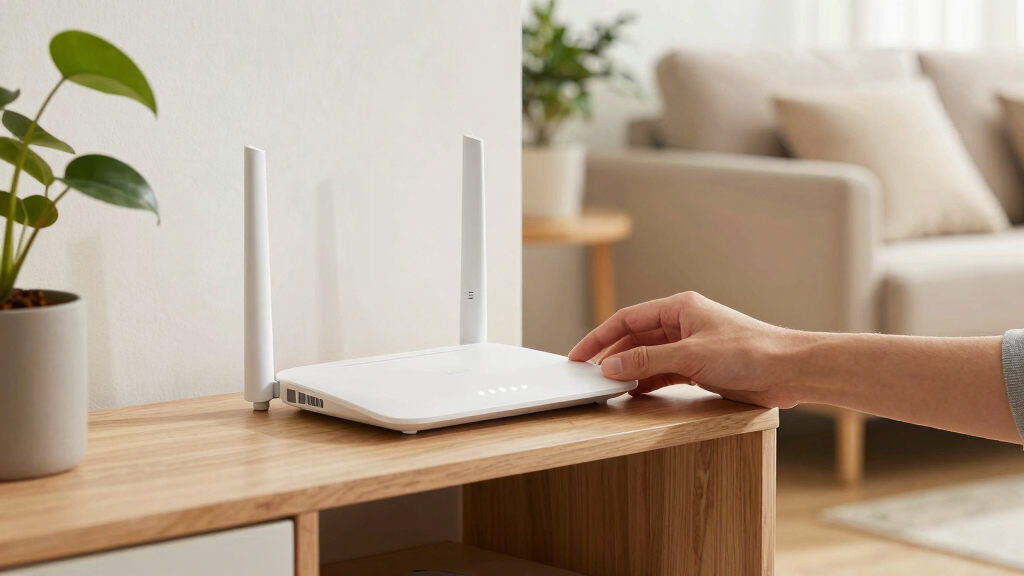
How We Picked
The routers in this roundup were selected based on a combination of performance benchmarks, ease of use, build quality, feature set, and value for money. We prioritized models supporting the latest Wi-Fi standards (Wi-Fi 6 and 7) to ensure future-proofing, and looked at coverage area and device capacity to match different home sizes. Security features, user interface, and additional functionalities like mesh compatibility were also key considerations. The ranking reflects a balance between high-end performance and affordability, highlighting options suitable for various budgets and needs while avoiding models with limited support or outdated tech.Factors to Consider When Choosing Best Wi-Fi Routers
When choosing a Wi-Fi router, understanding your specific needs can help narrow your options. Consider your home size, the number of devices, internet speed, and whether you need features like mesh networking or advanced security. The right router can improve connection stability, reduce dead zones, and future-proof your setup. Being aware of common pitfalls, such as overspending on unnecessary features or underestimating coverage needs, can save you money and frustration. Here are key factors to weigh before making your purchase.Coverage and Home Size
Matching your router’s coverage to your home size is essential. Larger homes benefit from mesh systems or routers with multiple bands and high power output, ensuring every corner gets strong signals. Smaller apartments or single rooms typically do well with mid-range routers that support multiple devices without overpaying for unnecessary range. Consider the layout and construction materials, as thick walls can impede signals, requiring more powerful hardware or mesh setups to maintain reliable connectivity.
Speed and Device Capacity
Assess your internet plan’s speed and the number of connected devices. Higher-tier routers supporting Wi-Fi 6 or 7 can handle gigabit speeds and multiple devices simultaneously, reducing lag and buffering. If your household streams 4K videos, games online, or runs smart home devices, investing in a router with higher throughput and device capacity makes sense. Conversely, for light browsing or a small household, a more modest model might suffice without overspending.
Future-Proofing and Standards
Opting for routers that support Wi-Fi 6 or 7 ensures longevity and compatibility with emerging devices. Wi-Fi 7 offers even faster speeds and lower latency, which benefits gamers, streamers, and smart homes. However, these models are generally more expensive. Consider your device ecosystem and whether your current gear supports these standards. If upgrading your entire setup isn’t on the horizon, a Wi-Fi 6 router might offer the best balance of performance and affordability.
Security and Features
Modern routers come with security features like WPA3 encryption, parental controls, and integrated firewalls. These improve your network’s safety and help manage screen time or restrict access. Additional features like VPN support, USB ports, and mesh compatibility can add convenience but may increase cost. Be wary of overly complex interfaces if ease of setup is a priority, and check for firmware updates to keep your network protected over time.
Price and Value
While high-end routers offer advanced features, they come at a premium. Evaluate whether those features align with your needs—if not, mid-range models often provide excellent value. Avoid overpaying for capabilities you won’t use, but also be cautious of extremely cheap options lacking essential features or support for future standards. Balance your budget with your performance and coverage requirements for the best long-term investment.
Frequently Asked Questions
Do I need a Wi-Fi 7 router for my home?
Wi-Fi 7 routers provide faster speeds and lower latency, making them ideal for demanding activities like gaming, 4K streaming, and smart home integration. However, most household devices still operate on Wi-Fi 5 or Wi-Fi 6, so you won’t see immediate benefits unless you plan to upgrade all your gear. Investing in a Wi-Fi 7 router today can future-proof your setup, but if budget constraints or current device compatibility are concerns, a Wi-Fi 6 model still offers excellent performance.
Is a mesh Wi-Fi system better than a traditional router?
Mesh Wi-Fi systems excel in covering large or multi-floor homes with reliable signals, as they eliminate dead zones by placing multiple nodes around your space. Traditional routers with extenders can also boost coverage but often introduce latency and complexity. For small to medium homes, a good single-router setup may suffice, but for larger, complex layouts, mesh systems provide a more seamless experience and easier scalability.
How important are security features in choosing a router?
Security features like WPA3 encryption, automatic firmware updates, and parental controls are vital for protecting your data and managing network access. Routers with built-in security can prevent unauthorized access and reduce vulnerability to cyber threats. Even if you’re a casual user, choosing a model with robust security options is a smart way to safeguard sensitive information and maintain peace of mind in a connected home.
Should I prioritize speed or coverage?
The decision depends on your home size and usage. If your home is small and devices are close to the router, speed may be the priority for streaming or gaming. In larger spaces or multi-story homes, coverage becomes more critical, and a router with strong range or a mesh system is preferable. Often, the best approach combines both, selecting a high-speed router with sufficient coverage or expanding with mesh nodes as needed.
Are gaming routers worth the extra cost?
Gaming routers often come with features like lower latency, QoS settings, and optimized traffic management, making them beneficial for gamers or heavy users. If gaming is a primary use, investing in a dedicated gaming router can reduce lag and improve responsiveness. However, high-end regular routers with advanced QoS and higher speeds can also meet gaming needs without the premium price tag, so assess your priorities and budget carefully.
Conclusion
For general household use and balanced performance, the NETGEAR Nighthawk WiFi 7 Router (BE9300) offers an excellent mix of speed, future-proofing, and ease of use. If you’re seeking the best value, the TP-Link Deco X55 AX3000 Mesh System provides reliable coverage at a more affordable price. Gamers or tech enthusiasts should consider the ASUS ROG Strix GS-BE12000 WiFi 7 Router for its high speeds and gaming features. Beginners or small households benefit from simple, easy-to-set-up options like the NETGEAR WiFi 6 Router (R6700AX). Ultimately, your choice should align with your home size, device count, and performance needs, ensuring a smooth online experience now and in the future.
As an affiliate, we earn on qualifying purchases.Halloween Picks
halloween