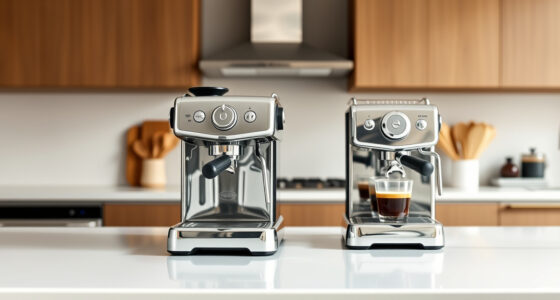
If your De’Longhi espresso machine is leaking water unexpectedly, it can disrupt your coffee routine and cause frustration. Leaks are often a sign of underlying issues that can be addressed with some careful troubleshooting. In this guide, we’ll walk you through practical steps to identify and fix the source of water leaks, ensuring your machine operates efficiently and lasts longer.
Remember, safety first: always unplug your machine before attempting any repairs and follow the instructions carefully to avoid damage or injury.
Key Takeaways
| Identify the leak source | Pinpoint where the water is leaking from to choose the correct fix. |
| Check the water reservoir | Ensure the water tank is properly seated and undamaged. |
| Inspect the water lines and seals | Look for cracks, loose fittings, or worn-out gaskets. |
| Clean the machine regularly | Regular descaling and cleaning prevent mineral buildup that causes leaks. |
| Use quality replacement parts | Opt for genuine filters and seals for reliable repairs. |

De'Longhi Magnifica Evo Next Fully Automatic Espresso Machine - Programmable Coffee Maker with Grinder and Milk Frother - Hot & Cold Brewer for Espresso, Latte, Cappuccino, Americano, Tea and More
#1 Super Automatic Espresso Maker in the US*, *Source: Circana Retail Tracking Service, Unit Share, Jan. 2025 -...
As an affiliate, we earn on qualifying purchases.
Step 1: Unplug and Prepare the Machine
Before starting any troubleshooting, disconnect your De’Longhi espresso machine from the power outlet. Remove the water reservoir and empty it if necessary. Place a towel or container underneath the machine to catch any residual water during inspection. This initial step ensures your safety and prevents water damage or electrical hazards during the repair process.

De'Longhi Replacement Water Filter for Select Espresso Machines, DLSC002
Designed to optimize the water quality
As an affiliate, we earn on qualifying purchases.
Step 2: Examine the Water Reservoir and Connections
- Carefully remove the water tank from the machine. Check for cracks, warping, or damage to the reservoir itself.
- Inspect the connection point where the water tank seats into the machine. Make sure it is aligned properly and fully inserted.
- Look for any mineral deposits or debris around the tank’s seal that could cause leaks.
If you notice any damage, replacing the water filter or the tank may be necessary.
Step 3: Check the Internal Seals and Gaskets
Leaking often occurs due to worn or loose seals. Locate the water inlet and outlet gaskets inside the machine. These are usually near the brewing unit and water pathways. Examine them for cracks, tears, or hardening. If they appear damaged, replacing them is crucial to prevent leaks.
For a reliable fix, consider using genuine replacement seals designed for your model.
Step 4: Inspect Water Lines and Fittings
Most water leaks stem from loose or damaged tubing and fittings. Carefully check all visible water lines within the machine, especially around the brewing unit and water pump. Tighten any loose fittings with appropriate tools. If you see cracked or brittle tubing, replace it with new, compatible water lines.
Ensure all connections are secure without overtightening, which could damage components.
Step 5: Regular Maintenance and Descaling
Mineral buildup can cause internal blockages and pressure issues, leading to leaks. Use a descaling solution such as De’Longhi EcoDecalk to remove limescale deposits periodically. Follow the instructions on the descaler for your specific model, ensuring the machine is thoroughly cleaned and descaled at least every 3-6 months.
This maintenance prolongs the life of your machine and prevents future leaks caused by mineral deposits.
The Products in This Guide
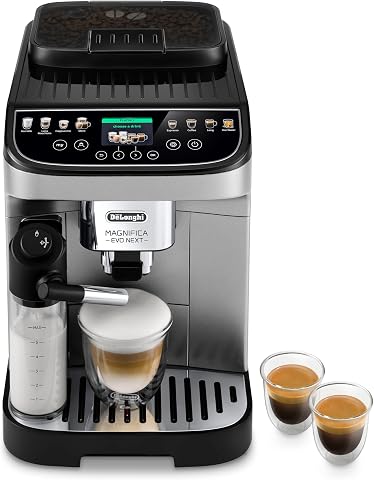
De’Longhi Magnifica Evo Next Fully Automatic Espresso Ma
- ✔ Voltage: 120V
- ✔ Water Capacity: 60 oz
- ✔ Power: 1450W

De’Longhi Replacement Water Filter
- ✔ Capacity: Up to 60 liters of water
- ✔ Filter Material: Carbon and resin
- ✔ Replacement Reminder: Timer notification
De’Longhi Magnifica Evo Next Fully Automatic Espresso Ma
The De’Longhi Magnifica Evo Next offers a combination of advanced features and durability, making it a top choice for espresso enthusiasts. Its programmable settings, built-in grinder, and LatteCrema system deliver quality drinks with ease. Proper maintenance and prompt repairs can keep this machine functioning optimally, even if it starts to leak.
Pros:
- Advanced programmable options
- Built-in grinder with 13 settings
- Automatic milk frother
- High user ratings in the US
Cons:
- Can be complex to disassemble for repairs
- Requires regular descaling
- Some parts may need replacement over time
Best for: Home baristas seeking high-quality, automated espresso brewing
Not ideal for: Users looking for a simple, non-automatic machine
Bottom line: A versatile and reliable espresso machine with features to satisfy home baristas—maintenance is key to keeping it leak-free.
De’Longhi Replacement Water Filter
Using the De’Longhi Replacement Water Filter helps prevent mineral buildup, which is a common cause of leaks. It ensures your water is clean, your machine runs efficiently, and the taste of your coffee remains excellent. Installing this filter is quick and straightforward, making it a smart addition to your maintenance routine.
Pros:
- Improves water quality
- Prevents limescale buildup
- Easy to install
- Enhances coffee flavor
Cons:
- Requires replacement every 2-3 months
- Additional cost over time
- Not compatible with all models
Best for: Maintaining optimal water quality and preventing leaks
Not ideal for: If your machine is already damaged or leaking from internal parts
Bottom line: A simple upgrade that can significantly reduce internal leaks caused by mineral deposits and improve coffee taste.
Frequently Asked Questions
Why is my De’Longhi machine leaking water?
Leaks can be caused by damaged seals, cracked water tanks, loose fittings, or mineral buildup inside the machine. Proper inspection and maintenance can usually resolve these issues.
How often should I descale my De’Longhi espresso machine?
It is recommended to descale your machine every 3-6 months, depending on your water hardness and usage frequency. Regular descaling prevents mineral deposits that can cause leaks.
Can I fix the leak myself?
Yes, many minor leaks can be fixed by inspecting and replacing seals, tightening fittings, or cleaning internal components. However, if the damage is extensive, seek professional repair or contact De’Longhi support.
Is it safe to repair my machine, or should I contact a professional?
If you are comfortable with basic appliance repairs and follow safety precautions, you can attempt simple fixes like reseating the water tank or replacing seals. For internal or complex issues, professional service is recommended.
What maintenance can prevent future leaks?
Regular descaling, replacing water filters, cleaning internal parts, and inspecting seals and water lines help prevent leaks and prolong the life of your espresso machine.
Keep Your Espresso Brewing Perfectly
De’Longhi espresso machines are a fantastic addition to any coffee lover’s kitchen, but like all appliances, they need proper care. Addressing water leaks promptly by inspecting seals, water lines, and performing regular maintenance can save you time and money. By following these troubleshooting steps and maintaining your machine, you’ll enjoy delicious espresso shots for years to come.
Affiliate disclosure: As an Amazon Associate we earn from qualifying purchases. Prices and availability are accurate as of the time of publishing.