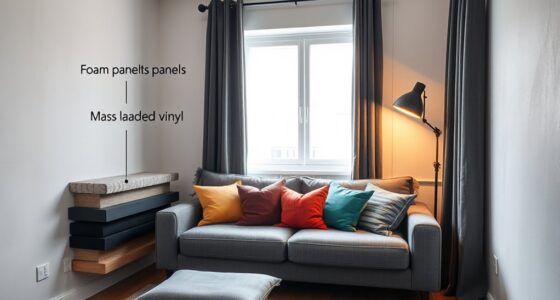
To balance privacy and openness in your studio when hosting guests, set clear boundaries upfront by communicating space limits, expected noise levels, and shared areas. Respect their privacy by offering a private retreat and keeping personal belongings discreet. Keep your space organized to create a welcoming environment, and designate zones for common use. Paying attention to your guest’s comfort and maintaining open dialogue ensures a positive experience. Discover simple tips to make hosting smoother and more comfortable for everyone involved.
Key Takeaways
- Clearly communicate space boundaries and expectations to guests before their arrival.
- Designate private zones for guests to retreat and ensure personal belongings are out of sight.
- Keep the studio organized and clutter-free to balance openness with privacy.
- Use signage or cues to differentiate shared areas from private spaces.
- Foster open dialogue to gauge comfort levels and adjust boundaries accordingly.
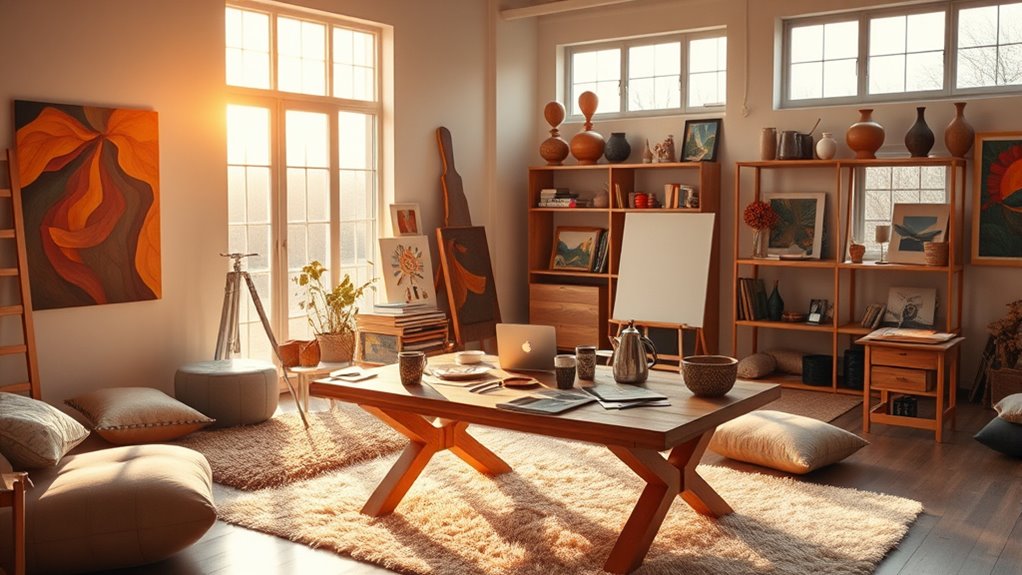
Hosting guests in a studio can be both exciting and challenging, especially when space is limited. You want your guests to feel comfortable and welcome, but you also need to manage your own boundaries and privacy. To do this effectively, understanding and practicing good studio etiquette is essential. It’s not just about being polite; it’s about creating a balanced environment where both your needs and your guests’ comfort are prioritized. The key is to establish clear boundaries from the start and communicate openly about what’s acceptable and what’s not. For example, if your studio is small, let your guests know beforehand about the space limitations so they’re prepared. Encourage them to be mindful of noise levels and shared areas, and set expectations about time frames if needed. Respect for guest privacy is equally important. Even in a cozy space, everyone deserves personal boundaries. Make sure your guests have a private area where they can retreat if they need some alone time. If your studio doubles as your living space, consider designating certain areas for your own use and keeping personal belongings out of sight. This helps your guests feel comfortable and reassures them that their privacy is respected. It’s also wise to ask your guests about their preferences—some may want more social interaction, while others might prefer minimal engagement. Being attentive to their comfort shows your respect for their boundaries and helps you gauge how open or reserved they want the visit to be. When hosting, keep the environment relaxed but organized. Clear clutter, especially in limited space, makes the area feel more inviting and less chaotic. Offer your guests a designated spot to sit and make sure there’s enough room for everyone to move comfortably. If you’re planning a longer visit, consider setting some ground rules about shared spaces, like the bathroom or kitchen, to avoid misunderstandings. Additionally, being aware of your water quality and ensuring clean, good-tasting water can help make your guests feel more at home, especially during longer stays. Remember, good studio etiquette isn’t just about manners; it’s about creating a space where everyone feels safe and respected. By balancing openness with respect for your guest’s privacy, you foster a welcoming atmosphere that benefits both parties. With thoughtful planning and clear communication, you can turn the challenge of a small space into an opportunity for genuine connection and positive experiences. Ultimately, the goal is to make your guests feel at ease without compromising your own comfort and privacy, ensuring everyone leaves with a good impression and a desire to visit again.
Frequently Asked Questions
How Can I Prevent Noise Disruptions During Guest Visits?
You can prevent noise disruptions during guest visits by implementing soundproofing measures like adding rugs, curtains, and acoustic panels to absorb sound. Set clear guest behavior guidelines, such as keeping voices at a moderate level and avoiding loud activities. Communicate these expectations beforehand, so your guests understand the importance of maintaining a quiet environment. This combination helps create a peaceful studio atmosphere while ensuring everyone feels comfortable.
What Are Best Practices for Securing Sensitive Studio Equipment?
To secure your sensitive studio equipment, prioritize studio security by installing sturdy locks on doors and windows, and use surveillance cameras to monitor access. Safeguard your equipment by keeping it in locked cabinets or dedicated storage areas when not in use. Limit access to trusted individuals, and regularly back up important data. These steps help prevent theft, damage, and unauthorized use, keeping your studio safe and equipment protected.
How Do I Manage Guest Access to Private Areas?
You should implement strict access control by using keycards or passwords for private areas. For example, a studio owner once used guest screening questionnaires to assess trustworthiness before granting access. By combining guest screening with clear boundaries and secure entry points, you protect sensitive equipment and personal privacy. Always communicate rules upfront, monitor guest movement, and revoke access immediately if needed to maintain a secure, welcoming environment.
What Legal Considerations Exist When Recording Guest Interactions?
When recording guest interactions, you must prioritize guest consent and follow recording laws. Always inform your guests that they’re being recorded and get their explicit permission beforehand. Familiarize yourself with local recording laws to guarantee compliance, as these can vary by jurisdiction. Respect guest privacy rights and clearly communicate how the recordings will be used. This proactive approach helps you avoid legal issues and maintains trust.
How Can I Balance Transparency and Privacy With My Audience?
Did you know 85% of audiences appreciate transparency? To balance transparency and privacy, you should implement guest screening and clear privacy policies. Be upfront about what you record and share, and get consent beforehand. Regularly update your privacy policies to reflect changes. This approach builds trust, shows respect for your guests’ privacy, and keeps your audience informed, creating a healthy balance between openness and confidentiality.
Conclusion
Remember, a little privacy goes a long way, even when you’re keen to share your space. Balancing openness with boundaries ensures your guests feel welcome without compromising your comfort. Keep communication clear and respect each other’s needs, because a stitch in time saves nine. As the saying goes, “Good fences make good neighbors”—so set your limits wisely and enjoy the perfect harmony of hospitality and privacy in your studio.