
TL;DR
Vertical gardens often fail in summer due to unsuitable plant choices, inadequate watering, and poor shading. Experts recommend swapping plants, installing irrigation, and adding shade to improve resilience. These steps help maintain vibrant, healthy living walls during hot weather.
Vertical gardens frequently struggle during summer, with plants wilting, scorching, or dehydrating, leading to disappointment and added maintenance. Experts confirm that improper plant selection, insufficient watering, and lack of shade are the primary reasons for these failures and that applying targeted solutions can significantly improve their summer resilience.
The main cause of vertical garden failure in summer is the use of plants that are not suited to high temperatures and drought conditions. Many common shade-loving plants, such as ferns and hostas, are vulnerable to leaf scorch and dehydration when exposed to direct, intense sunlight and dry conditions. To combat this, horticulturists recommend replacing these with drought-tolerant, heat-loving plants like rosemary, succulents, and sedums, which are better adapted to withstand hot, dry environments.
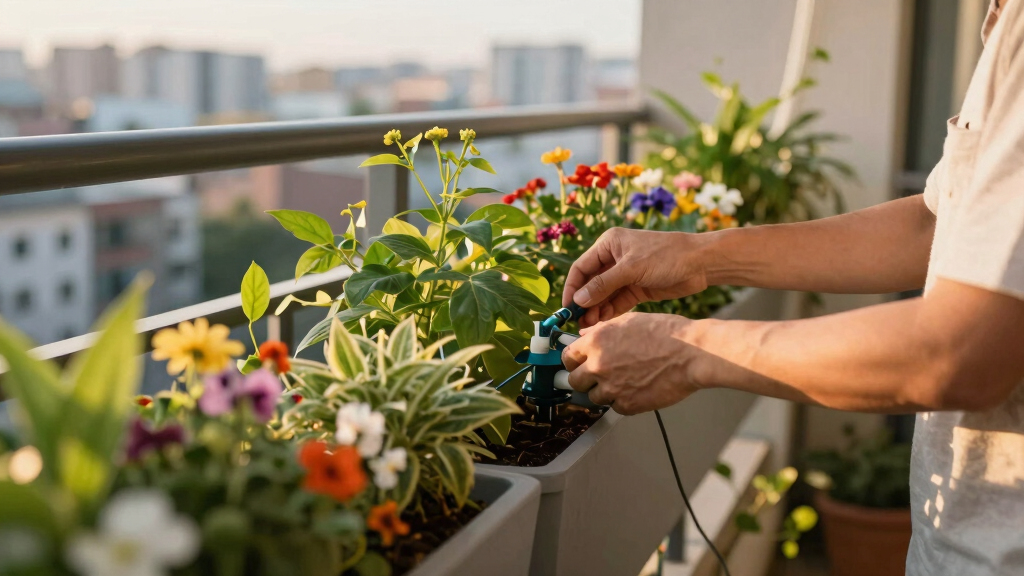
Another critical factor is watering. Vertical gardens dry out faster than ground-level or container plants because of their elevated position. Installing an automatic drip irrigation system with timers can ensure consistent hydration, reducing the risk of dehydration and wilting. Using moisture-retentive mediums, such as moss or mulch, further helps lock in moisture and protect plants from heat stress.
Finally, shading is essential, especially if the garden faces south or is in a suntrap location. Moving tiered planters to shaded spots or adding shade cloths, umbrellas, or nearby trees can prevent scorching. Some DIY solutions include adding heat-reflective backing to the garden or repositioning the garden to less sunny areas. These measures collectively help maintain the health and appearance of vertical gardens during summer months.
Why Summer Resilience Matters for Vertical Gardens
Maintaining a healthy vertical garden during summer enhances outdoor aesthetics, supports sustainable gardening practices, and reduces maintenance costs. Proper plant selection, watering, and shading extend the lifespan and visual appeal of living walls, making them a more reliable feature in outdoor spaces. For homeowners and landscapers, adopting these strategies ensures that vertical gardens remain vibrant and functional despite seasonal challenges, promoting greener, more sustainable environments.
automatic drip irrigation system for vertical gardens
As an affiliate, we earn on qualifying purchases.
As an affiliate, we earn on qualifying purchases.
Summer Challenges for Vertical Garden Sustainability
Vertical gardens have gained popularity for their aesthetic and space-saving benefits, but they face specific challenges during hot weather. Traditionally, plants used in these installations require consistent moisture and shade, which is often not accounted for in design. As temperatures rise, many common plants struggle, leading to wilting, scorching, and eventual failure. Experts have observed that improper plant choices and inadequate irrigation are the primary contributors to summer failures, prompting a need for better planning and maintenance strategies. This advice builds on existing knowledge about drought-tolerant plants and irrigation systems but emphasizes practical, accessible solutions for homeowners and urban gardeners.
“Replacing shade-loving plants with drought-tolerant species is essential for summer resilience in vertical gardens.”
— an anonymous researcher
drought-tolerant succulents for outdoor walls
As an affiliate, we earn on qualifying purchases.
As an affiliate, we earn on qualifying purchases.
Uncertain Aspects of Summer Vertical Garden Care
While experts agree on the importance of plant selection, watering, and shading, specific recommendations may vary depending on local climate conditions and garden design. The optimal combination of these strategies and their long-term effectiveness in different environments remains under study, and some homeowners may experience different results based on their unique setups.
shade cloth for vertical gardens
As an affiliate, we earn on qualifying purchases.
As an affiliate, we earn on qualifying purchases.
Next Steps for Summer-Ready Vertical Gardens
Gardeners and homeowners should assess their current vertical garden conditions, replacing unsuitable plants with drought-tolerant species, installing automated irrigation, and adding shading solutions as needed. Monitoring plant health throughout the summer will help refine these strategies. Industry experts anticipate further innovations in garden technology and plant breeding to improve resilience, which could be integrated into future vertical gardening practices. Continued research and shared best practices will support sustainable, low-maintenance living walls year-round.
moisture-retentive gardening medium
As an affiliate, we earn on qualifying purchases.
As an affiliate, we earn on qualifying purchases.
Key Questions
What are the best plants for summer vertical gardens?
Heat-tolerant, drought-resistant plants such as rosemary, succulents, sedums, and sweet potato vine are recommended for summer vertical gardens.
How can I ensure my vertical garden stays hydrated in hot weather?
Installing an automatic drip irrigation system with timers and using moisture-retentive mediums like moss or mulch can help maintain consistent hydration.
Can I move my vertical garden to a shaded area?
Yes, relocating tiered planters or adding shade cloths, umbrellas, or nearby trees can significantly reduce heat stress and prevent scorching.
Are there DIY solutions to protect vertical gardens from heat?
Adding heat-reflective backing or repositioning the garden to less sunny spots are effective DIY methods to shield plants from excessive heat.
What are common mistakes that lead to summer garden failure?
Using unsuitable plants, neglecting adequate watering, and failing to provide shade are primary causes of failure in summer vertical gardens.
Source: Homes & Gardens