
TL;DR

Get home appliances delivered free with Prime
- Fast, free delivery on millions of items
- Prime Video, Amazon Music and more included
- Member-only deals all year
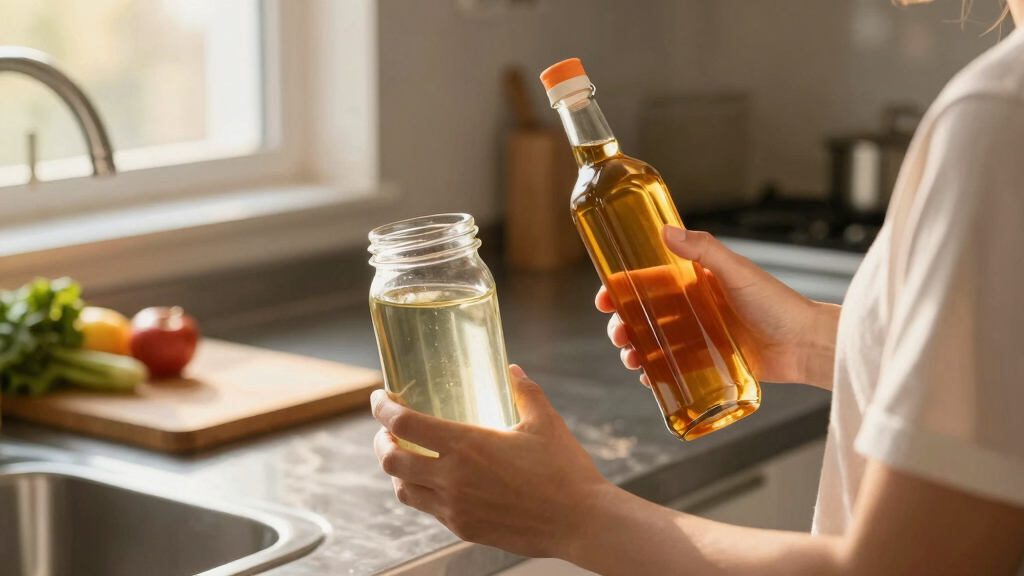
Cleaning vinegar and cooking vinegar are often confused, but they differ mainly in concentration. Cleaning vinegar is more concentrated and intended for cleaning, while cooking vinegar is safe for consumption. Using the wrong type can pose health risks.
Cleaning vinegar and cooking vinegar are not interchangeable, as they differ significantly in concentration and intended use, according to experts. This distinction matters for household safety and effectiveness.
White vinegar used in cooking typically has a 4% to 5% acetic acid concentration, making it safe for human consumption. In contrast, cleaning vinegar can contain concentrations ranging from 6% to as high as 75%, with the higher end suitable only for industrial or heavy-duty cleaning. Experts warn that using cleaning vinegar for cooking could pose health risks due to its higher concentration and possible chemical additives, including fragrances not meant for ingestion. Conversely, using cooking vinegar as a cleaner is generally safe but less effective than specialized cleaning vinegar, which is formulated for tougher messes. It is crucial for consumers to distinguish between these types to prevent accidental ingestion of concentrated cleaning products and to ensure proper cleaning results.
Health and Safety Risks of Misusing Vinegars
Understanding the difference between cleaning and cooking vinegar helps prevent health hazards and ensures household cleaning is both safe and effective. Misuse of concentrated cleaning vinegar for culinary purposes could lead to chemical exposure, while using cooking vinegar for cleaning may result in less effective sanitation. Clear labeling and awareness are essential to avoid accidents, especially in households with children or pets.
As an affiliate, we earn on qualifying purchases.
Vinegar Types and Industry Standards
Vinegar has long been used both in cooking and cleaning, but the two varieties are produced with different concentrations and quality standards. Regular white vinegar, with 4-5% acetic acid, is approved for consumption and widely available in grocery stores. Cleaning vinegar, often labeled as such, can have concentrations from 6% to 75%, with the higher end being suitable only for industrial or heavy-duty cleaning applications. Experts note that the manufacturing process for cleaning vinegar involves less stringent testing for human safety, which underscores the importance of proper storage and labeling. Recent guidance emphasizes that consumers should not substitute cleaning vinegar for culinary use due to potential health risks.
“Cleaning vinegar can contain concentrations ranging from 6% up to 75%, making it far more potent than cooking vinegar and unsuitable for ingestion.”
— an anonymous researcher
As an affiliate, we earn on qualifying purchases.
Uncertainties About Chemical Additives and Labels
It is not yet clear whether all brands of cleaning vinegar contain potentially harmful additives or fragrances, as labeling standards vary. Additionally, the exact safety thresholds for accidental ingestion of concentrated cleaning vinegar remain under review, with more research needed to establish clear safety guidelines.
As an affiliate, we earn on qualifying purchases.
Guidance and Labeling Improvements for Consumer Safety
Regulatory agencies and manufacturers are expected to enhance labeling standards to clearly distinguish cleaning vinegar from culinary vinegar. Consumers are advised to carefully read labels, store cleaning products separately, and follow safety instructions to prevent accidental misuse. Further research may lead to stricter regulations on chemical additives and concentration limits.
As an affiliate, we earn on qualifying purchases.
Key Questions
Can I use cleaning vinegar for cooking?
No, cleaning vinegar is not safe for consumption due to its higher concentration and possible chemical additives. Use only vinegar labeled for culinary use.
What are the health risks of using cleaning vinegar in food?
Potential health risks include chemical exposure, irritation, or poisoning, especially if the vinegar contains fragrances or other additives not intended for ingestion.
How can I tell the difference between cleaning and cooking vinegar?
Check the label for concentration details and intended use. Cleaning vinegar usually has a higher acetic acid percentage and is labeled as such, while cooking vinegar is safe for consumption and typically has a 4-5% concentration.
Is it safe to dilute cleaning vinegar for cleaning purposes?
Yes, but only if you follow safety guidelines, including wearing gloves and ensuring good ventilation. Do not ingest diluted cleaning vinegar.
Should I store cleaning vinegar separately from kitchen supplies?
Yes, to prevent accidental use in cooking, keep cleaning vinegar in a clearly labeled container away from food items.
Source: Apartment Therapy
Cold & flu season Picks
humidifiers
As an affiliate, we earn on qualifying purchases.