
TL;DR
A sinkhole has formed in an Auckland street that was damaged during the 2023 floods. The development is confirmed by local authorities and highlights ongoing infrastructure vulnerabilities. Further assessment is underway to determine the full extent of damage.
A sinkhole has formed in an Auckland street that was previously damaged during the severe floods earlier this year, according to local authorities. The development raises concerns about the stability of infrastructure affected by recent weather events and highlights ongoing risks in flood-affected areas.

Get home appliances delivered free with Prime
- Fast, free delivery on millions of items
- Prime Video, Amazon Music and more included
- Member-only deals all year
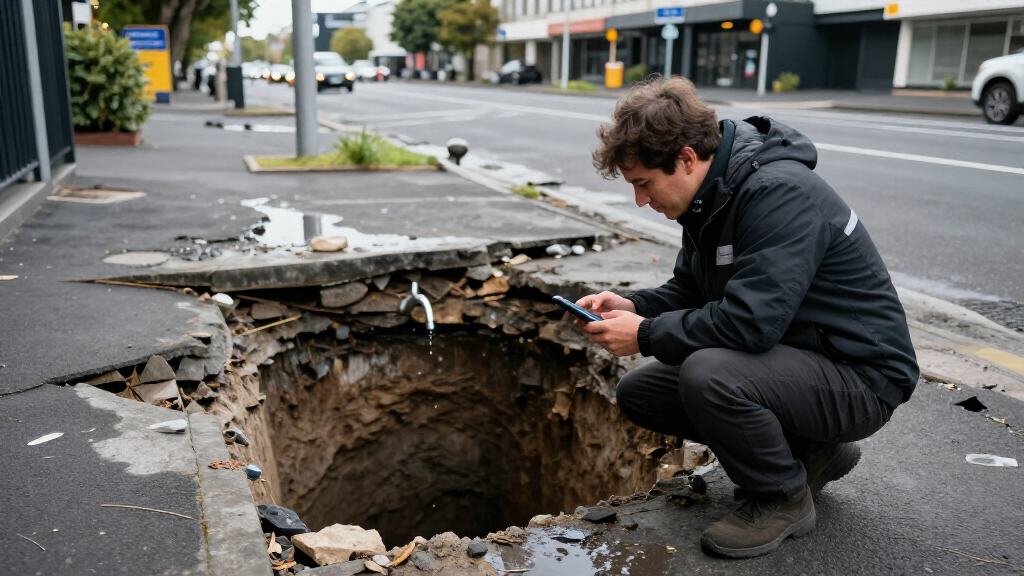
The sinkhole was reported yesterday in a residential street in Auckland’s eastern suburbs, which sustained damage during the 2023 floods. Auckland Transport confirmed that the sinkhole measures approximately 2 meters in diameter and has caused a partial road collapse. Emergency services have cordoned off the area to prevent accidents, and engineers are currently assessing the site for further risks.
Local council officials stated that initial inspections indicate the sinkhole may be linked to underlying erosion caused by recent heavy rainfall and floodwaters. The street was already under repair due to flood damage, which included compromised drainage and weakened ground stability. The authorities have emphasized that the sinkhole poses no immediate threat to residents but is under close monitoring.
Potential Risks of Ongoing Infrastructure Instability in Flood-Affected Areas
This incident underscores the ongoing vulnerabilities in Auckland’s infrastructure following the 2023 floods. The formation of the sinkhole suggests that floodwaters may have further destabilized already weakened ground, increasing the risk of additional collapses or damage in the area. It highlights the importance of thorough inspections and repairs in flood-affected zones to prevent future hazards.
Products Worth Considering

Philips Hue Smart Light Starter Kit with Bridge and 4 White and Color A19 Bulbs

TCL F8D Series 50-Inch 4K QLED Smart Fire TV

Levoit Core 600S-P Smart Air Purifier for Large Rooms up to 2933 ft²
As an affiliate, we earn on qualifying purchases.
Flood Damage and Infrastructure Challenges Post-2023 Events
In early 2023, Auckland experienced severe flooding that caused widespread damage to roads, properties, and drainage systems. Local authorities initiated repair works to address the immediate damage, but the extent of underground erosion and ground instability remains uncertain. This recent sinkhole is the latest in a series of incidents raising concerns about the resilience of flood-affected infrastructure and the need for ongoing assessments.
“The sinkhole is currently being assessed by engineers, and we are taking all necessary precautions to ensure public safety.”
— Auckland Transport spokesperson
Extent of Underlying Damage and Future Risks Still Unclear
It is not yet confirmed how extensive the underground erosion is or whether additional sinkholes may develop nearby. Engineers are still conducting detailed assessments, and the full impact of the flood damage on underground infrastructure remains uncertain.
Ongoing Inspections and Repair Plans for Affected Area
Authorities will continue detailed inspections over the coming days to determine the full extent of the damage. Repair works are expected to be prioritized to stabilize the ground and prevent further collapses. Residents in the area will be kept informed of safety measures and any necessary evacuations or road closures.
Key Questions
What caused the sinkhole to form?
Preliminary assessments suggest that the sinkhole may be linked to ground erosion caused by recent heavy rainfall and floodwaters, which weakened underground soil stability.
Is the sinkhole dangerous to residents?
The area has been cordoned off, and engineers are monitoring the site. Authorities state there is no immediate danger, but residents should stay clear of the area until further notice.
Will there be further sinkholes?
The risk of additional sinkholes cannot be ruled out until thorough underground assessments are completed. Ongoing monitoring will inform future safety measures.
How will repairs be handled?
Engineers will conduct detailed inspections, and repair works will focus on stabilizing the ground and restoring the road. The timeline depends on assessment outcomes.
What does this mean for future flood preparedness?
This incident highlights the need for improved infrastructure resilience and ongoing monitoring in flood-prone areas to prevent similar occurrences in future extreme weather events.
Source: local