TL;DR
A Veranda report describes growing designer interest in snug rooms: compact, cocoon-like spaces for reading, relaxing or spending time with a guest. Designers Jo Lyle and Bethany Adams recommend using small alcoves, built-ins, layered lighting and personal details, but the report does not establish how widespread the trend is.
Designers are drawing attention to snug rooms, small, enclosed spaces intended for reading, resting or intimate conversation, according to a Veranda report featuring designers Jo Lyle and Bethany Adams. The report offers practical design guidance, but does not provide survey data or other evidence showing how widely the style is spreading.

Get home appliances delivered free with Prime
- Fast, free delivery on millions of items
- Prime Video, Amazon Music and more included
- Member-only deals all year
Lyle said her clients asked for a cozy room just off their primary bedroom after a European getaway introduced them to the idea of a snug. She described the desired effect as feeling “totally cocooned in a mood.” The room can serve different purposes, from reading alone to sharing a drink or taking an afternoon nap.
Adams recommends looking for small, unusual spaces rather than trying to create a snug in a large, open room. Eaves, attic alcoves, closets and quirky corners may offer the enclosure that defines the concept. She said built-in seating and shelving can make a compact layout work, while existing features such as a bay window or window seat can provide a starting point.
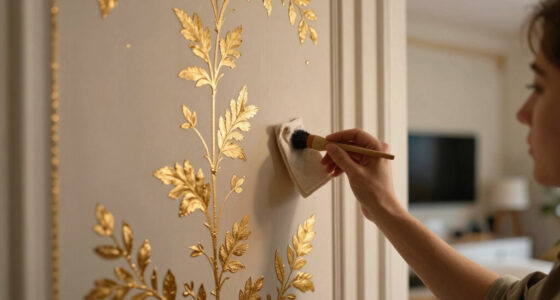
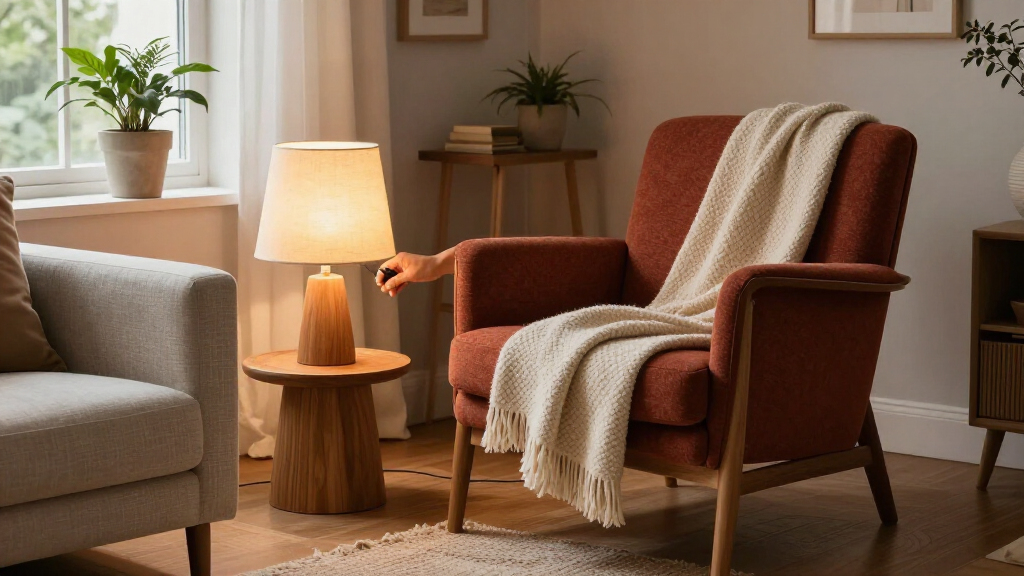
The designers also emphasize lighting, fabric and personal use. Lyle suggests deciding how much light a room needs before adding lamps or fixtures; a shade can spread a soft glow, while a sconce can direct light. Curtains, textured wallpaper and tightly patterned wallcoverings can add softness or visual intimacy. The report’s examples include storage for luggage, a bookshelf combined with a record player, and a shelf near the ceiling that can hold books and make a tall room feel more enclosed.
Why Small Retreats Appeal
The snug offers a way to give a home a specific, contained purpose without adding a new room. An alcove or underused closet can become a place to read, listen to music or rest, while built-in furnishings make use of limited floor area. That can matter to homeowners seeking a quiet retreat within a shared household, particularly when a spare room is not available.
The design advice also centers on tailoring a space to its occupants rather than following a fixed look. A snug might be dark and layered or light and colorful; its defining feature, as the designers describe it, is the feeling of enclosure. The report presents this as a design approach, not as evidence of a measurable shift in consumer demand or a universal preference.
Products Worth Considering

Dyson V8 Motorhead Origin Cordless Vacuum

eufy E25 Robot Vacuum and Mop

TCL 55 T7 Series 4K 120Hz QLED Smart Google TV (55T7)
As an affiliate, we earn on qualifying purchases.
A Long History of Enclosed Rooms
The report traces the snug’s origins to small, private rooms in 19th-century Irish pubs. Adams also connects the idea to older American interiors, where compact spaces helped conserve heat and offered a sheltered place to sit. These historical references help explain why the form relies on enclosure rather than simply on soft furnishings.
In current homes, the same effect can come from architecture already in place. Adams recalls that her children used a snug in her 1876 home as a playroom; as they outgrew it, she began considering other uses. The report also mentions a snug designed by Adams in a bedroom at a luxury vacation accommodation, with curtains concealing luggage cubbies.
““The goal is to feel totally cocooned in a mood.””
— Jo Lyle, interior designer, as quoted by Veranda
How Broad Is the Trend?
The report does not quantify how many designers or homeowners are adopting snugs, provide sales or search data, or identify when the interest began. Its description of the rooms as popular reflects the designers’ observations, not a measured industry-wide trend. It is also unclear whether homeowners are building dedicated snugs or adapting existing corners more often.
The article presents designers’ recommendations and selected project examples, not a comparison of costs, renovation timelines or the practicality of different layouts. Whether a particular nook can accommodate built-ins, lighting changes or other alterations depends on the home; the source does not address permits or construction requirements.
From Spare Nook to Snug
The report offers no scheduled industry announcement or next milestone. For readers considering the idea, its suggested first step is to identify a compact, underused area and decide how it will be used. Furniture, storage and lighting can then be planned around that purpose, with curtains or textured wallcoverings added to shape the mood.
It remains to be seen whether interest in snug rooms will show up in broader design or housing data. For now, the source documents a set of designers’ ideas and examples; any claim of wider adoption would require evidence beyond the report.
Key Questions
What is a snug room?
A snug is a small, enclosed space designed for activities such as reading, resting or conversation. Designers Jo Lyle and Bethany Adams describe enclosure and a cozy atmosphere as central to the idea.
Where can a snug fit in a home?
Adams suggests considering attic alcoves, spaces under eaves, closets or other underused corners. The report does not say every home has a suitable spot; the layout depends on the available space.
How do designers make a snug feel cozy?
The designers point to built-in furniture, layered curtains, textured wallcoverings and intentional lighting. Lyle advises starting with the amount of light needed, then choosing fixtures to create either a soft overall glow or more directed light.
Is the snug trend supported by market data?
The Veranda report provides no market statistics or survey results. It describes interest observed by two designers and shares examples from their work.
Source: rss