
TL;DR

Get home appliances delivered free with Prime
- Fast, free delivery on millions of items
- Prime Video, Amazon Music and more included
- Member-only deals all year
Home design trends from the ’90s, especially open-concept layouts, are losing popularity. Experts predict a move toward smaller, purpose-driven spaces with warmth, character, and sustainability. The shift reflects changing buyer priorities and rising construction costs.
Open-concept home layouts, a hallmark of ’90s residential design, are increasingly falling out of favor as buyers seek more defined, functional spaces that prioritize warmth, personality, and efficiency, according to real estate experts and designers.
According to industry insiders, the shift away from open-concept living is driven by rising construction costs and changing buyer preferences. Instead of large, open spaces, homes now feature smaller, multifunctional rooms such as home offices that double as reading nooks or media rooms that serve as personal theaters. These spaces are designed to maximize utility while adding character and warmth.
Design trends are moving toward purposeful delineation of spaces, with an emphasis on bold colors, textures, and artisanal details. Warm woods, rich textiles, and natural materials are replacing the neutral palettes of the past, creating a cozy yet sophisticated aesthetic. Experts note that this approach combines efficiency with charm, offering homes that feel both modern and inviting.
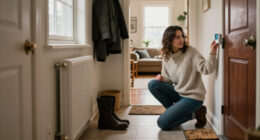
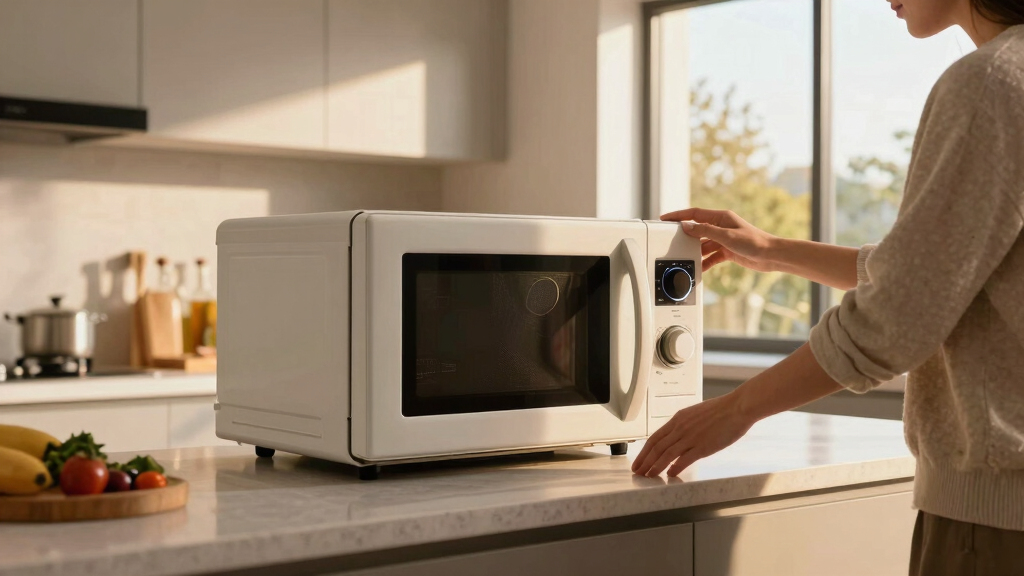
Additionally, sustainability and technology are integral to this new trend. Homes are increasingly equipped with energy-efficient appliances, solar panels, and hidden smart tech solutions that blend seamlessly into the architecture, emphasizing both functionality and visual clarity. This reflects a broader shift toward personalized minimalism and character-driven design.
Implications for Future Home Design Trends
This trend signifies a major shift in residential architecture, moving away from the uniformity of ’90s open plans toward diverse, character-rich spaces that prioritize individual needs, sustainability, and craftsmanship. It impacts how homes are marketed, built, and lived in, aligning with evolving lifestyles and economic factors that favor smaller, smarter, and more personalized environments.
energy-efficient smart home devices
As an affiliate, we earn on qualifying purchases.
As an affiliate, we earn on qualifying purchases.
Evolution From ’90s Open-Concept Homes to Personalized Spaces
Open-concept layouts became the standard in new homes during the ’90s, emphasizing large, communal spaces that combined kitchens, living rooms, and dining areas. Over time, rising costs in construction and real estate, along with shifting buyer preferences, have prompted a reevaluation of this model. Since 2025, experts report a clear move toward smaller, purpose-specific rooms that foster intimacy and functionality, reflecting broader trends in sustainability, craftsmanship, and personalization.
“Looking towards 2025, there’s been a noticeable shift from open-concept living to more defined, purpose-driven spaces in homes.”
— an anonymous researcher
sustainable natural material home decor
As an affiliate, we earn on qualifying purchases.
As an affiliate, we earn on qualifying purchases.
Unclear Aspects of the Transition to New Home Layouts
While experts agree on the general move away from open-concept designs, it remains unclear how quickly this trend will fully take hold across different markets and demographics. Additionally, the long-term durability of these new layouts and their acceptance among traditional buyers are still being observed.
purpose-driven multifunctional room furniture
As an affiliate, we earn on qualifying purchases.
As an affiliate, we earn on qualifying purchases.
Expected Developments in Home Design and Market Adoption
Designers and builders are expected to continue experimenting with purpose-driven spaces, incorporating more sustainable materials and smart technology. Market adoption will likely depend on regional preferences, economic factors, and evolving buyer priorities, with ongoing monitoring of sales and feedback to gauge the full impact of this transition.
cozy artisanal textiles for home
As an affiliate, we earn on qualifying purchases.
As an affiliate, we earn on qualifying purchases.
Key Questions
Why are open-concept layouts declining in popularity?
Experts cite rising construction costs, changing buyer preferences for defined, cozy spaces, and a focus on sustainability and craftsmanship as reasons for the decline of open-concept designs.
What types of new home layouts are replacing the open-concept style?
Homes are shifting toward smaller, purpose-specific rooms such as dedicated offices, media rooms, and intimate dining areas, often with bold colors, textures, and artisanal details.
How does this trend affect home buyers and sellers?
Buyers are seeking homes that reflect their personal style and needs, emphasizing warmth and character, which can influence how homes are marketed and designed. Sellers may need to adapt by showcasing these personalized, efficient spaces.
Will the new layout styles be sustainable long-term?
While experts believe this trend aligns with economic and environmental priorities, its long-term durability will depend on market acceptance and continued innovation in design and technology.
Source: Apartment Therapy
Halloween Picks
halloween
As an affiliate, we earn on qualifying purchases.