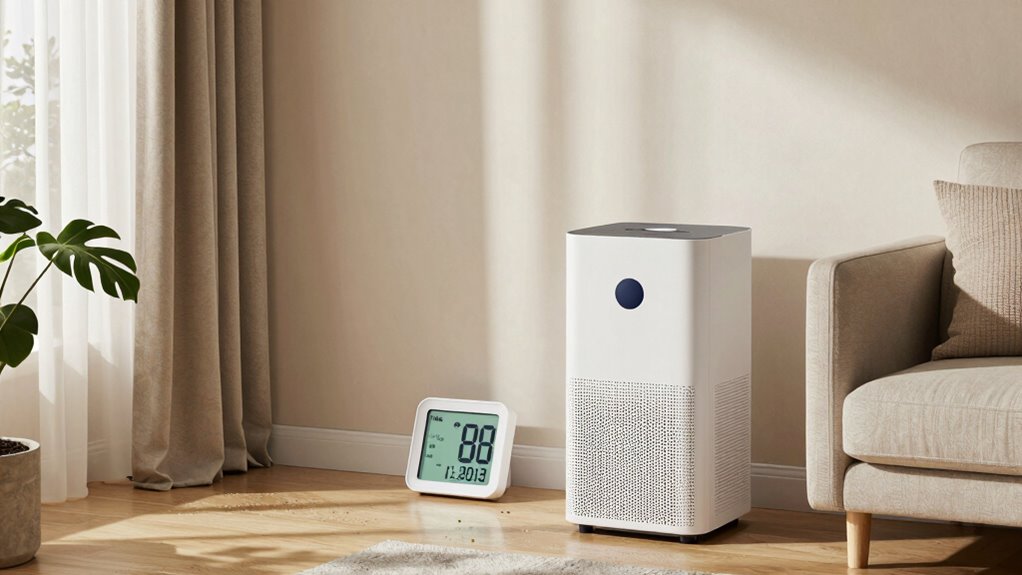

If you notice persistent condensation, damp walls, or a musty smell in your apartment, you probably need a dehumidifier to improve air quality and prevent mold growth. Damp furniture, mold spots, and ongoing moisture issues are clear signs you should consider one. Using a hygrometer can help you monitor humidity levels, especially in poorly ventilated spaces. Keep going to discover how choosing the right unit can make your home healthier and more comfortable.

Get home appliances delivered free with Prime
- Fast, free delivery on millions of items
- Prime Video, Amazon Music and more included
- Member-only deals all year
Key Takeaways
- Check for visible signs of high humidity like condensation, mold, or musty odors in your apartment.
- Use a hygrometer to measure indoor humidity levels; aim for 30-50%.
- Consider the climate and ventilation; humid environments often require dehumidification.
- Assess if moisture issues persist despite ventilation or air conditioning.
- Evaluate health symptoms like allergy or respiratory problems linked to damp or moldy air.
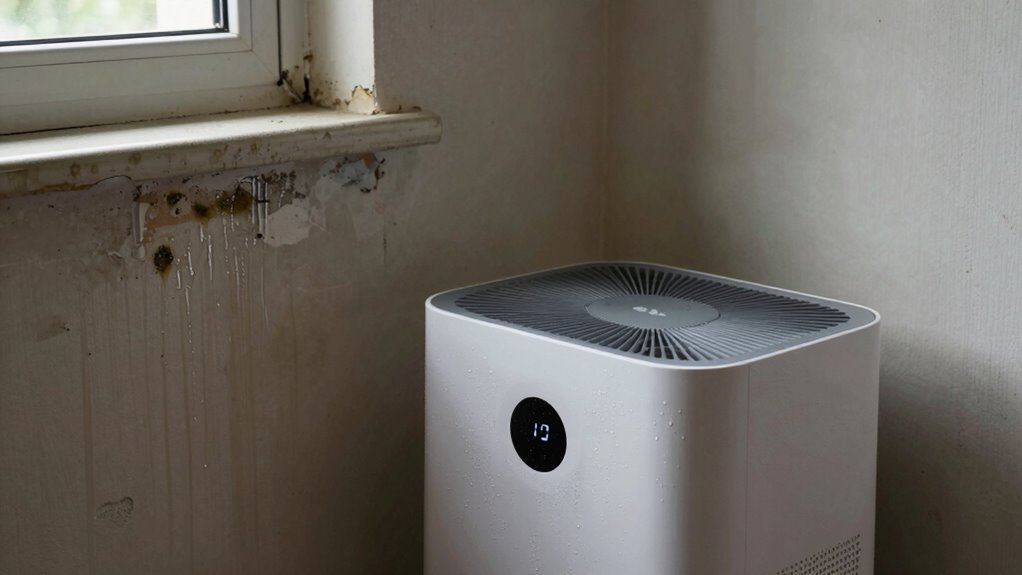
Deciding if you need one depends on observing specific signs. If you see condensation on windows or walls, or if your furniture feels damp or clammy, these are strong indicators that humidity is too high. You might also notice a persistent musty odor, often caused by mold or mildew thriving in the damp environment. These signs are more than just nuisances; they directly affect your air quality, making it harder to breathe comfortably, especially if you have allergies or respiratory issues. A dehumidifier helps remove excess moisture from the air, improving overall air quality and creating a healthier environment.
Condensation, damp furniture, and musty odors signal high humidity and poor air quality in your home.
Additionally, understanding household products that combat humidity can help you make informed decisions about managing moisture. Another factor to consider is how often you experience these issues. If you live in a particularly humid climate or your apartment lacks proper ventilation, high humidity might be an ongoing problem. In such cases, a dehumidifier isn’t just a luxury but a necessity for mold prevention. Mold can develop quickly in moist environments, and once it takes hold, it can be difficult and costly to remove. Properly managing humidity levels also involves understanding the effects of moisture, which can influence mold growth and air quality. Using a hygrometer to monitor humidity levels can be a helpful tool in maintaining optimal conditions. Regularly checking and adjusting humidity levels can also prevent the need for more extensive air quality improvements later on.
Research shows that dehumidifiers can be especially effective in maintaining ideal humidity levels, preventing mold spores from settling and growing. By reducing humidity levels proactively, you prevent mold spores from settling and growing, safeguarding your health and preserving your home.
Size and capacity matter, so think about the square footage of your apartment and the severity of humidity issues. Smaller units are suitable for compact spaces, but if your apartment is larger or particularly damp, investing in a more powerful model will help maintain balanced humidity throughout. Keep in mind that regular use of a dehumidifier can lead to noticeable improvements in air quality, less mustiness, and a lower risk of mold development.
In the end, your decision to get a dehumidifier hinges on how much these humidity-related problems affect you. If dampness, mold, and poor air quality are ongoing concerns, then a dehumidifier can be a practical, health-conscious choice. It’s a simple way to create a more comfortable, healthier apartment environment, especially during humid seasons or in moisture-prone areas of your home.
As an affiliate, we earn on qualifying purchases.
Frequently Asked Questions
Can a Dehumidifier Lower Humidity Below 30%?
A dehumidifier can lower humidity below 30%, but it’s uncommon and might cause discomfort. For it to work effectively, you need to maintain the device properly, including regular dehumidifier maintenance, and verify the humidity sensor is accurate. If the sensor isn’t precise, the unit could over-dehumidify. Keep an eye on humidity levels and sensor calibration to avoid excessively dry air, which can lead to other issues.
How Noisy Are Dehumidifiers During Operation?
Dehumidifiers typically produce noise levels between 40 and 60 decibels, comparable to a quiet conversation or background music. You might find the sound levels noticeable, especially in small or poorly sound-insulated rooms. If your apartment lacks sound insulation, the noise could be more prominent. Consider the dehumidifier’s placement; placing it away from your sleeping area can help minimize disruption and make operation more comfortable.
Are There Energy-Efficient Dehumidifier Models?
Yes, many dehumidifier models prioritize energy savings, helping you cut down on electricity bills. When comparing models, look for units with high Energy Star ratings, which indicate better efficiency. Some models automatically adjust their operation based on humidity levels, saving energy further. By doing model comparisons, you can find a device that not only dehumidifies effectively but also minimizes energy consumption, making it an eco-friendly and cost-effective choice for your apartment.
How Often Should I Empty the Dehumidifier’s Water Tank?
You should empty your dehumidifier’s water tank regularly—usually once every one to three days, depending on humidity levels. Keep water tank maintenance in mind to prevent mold or odors. Proper dehumidifier placement, like avoiding corners or vents, helps it run efficiently, reducing how often you need to empty the tank. Check the tank frequently during high humidity months to maintain best performance and air quality.
Can a Dehumidifier Help With Allergies?
Yes, a dehumidifier can help with allergies by reducing mold prevention and dust mite reduction. Mold thrives in damp environments, and lowering humidity levels makes your apartment less hospitable for mold growth. Additionally, controlling moisture helps reduce dust mites, common allergy triggers. By maintaining a drier environment, you create a healthier space that minimizes allergy symptoms, making a dehumidifier a valuable addition if you suffer from allergies.
As an affiliate, we earn on qualifying purchases.
Conclusion
So, next time you’re wondering if a dehumidifier is worth it, remember—sometimes the only thing worse than a little humidity is realizing you’ve ignored it until mold has moved in. Sure, you might joke about needing a rainforest in your living room, but trust me, a dehumidifier could save you from that tropical nightmare. It’s funny how a small gadget can make your apartment feel less like a swamp and more like home.
hygrometer for humidity monitoring
As an affiliate, we earn on qualifying purchases.
As an affiliate, we earn on qualifying purchases.
As an affiliate, we earn on qualifying purchases.
Cold & flu season Picks
humidifiers
As an affiliate, we earn on qualifying purchases.