TL;DR
Miles Redd, a celebrated American designer known for maximalist interiors, reveals his evolving taste toward minimalism and the emotional benefits of decluttering. This shift reflects a broader trend in design and personal well-being.
Renowned American interior designer Miles Redd has publicly shared that he is moving away from his signature maximalist style toward a more stripped-back, minimalist aesthetic, emphasizing the emotional and psychological benefits of decluttering. This shift, confirmed in a recent interview, signals a notable change in his design philosophy and personal outlook.

Get home appliances delivered free with Prime
- Fast, free delivery on millions of items
- Prime Video, Amazon Music and more included
- Member-only deals all year
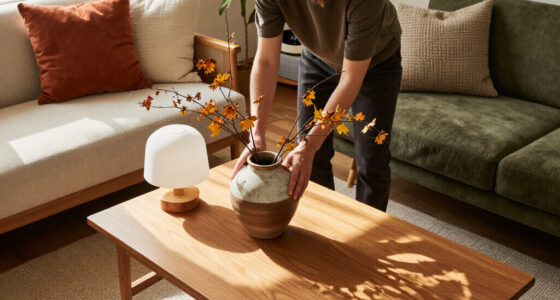
In a recent installment of Homes & Gardens’ ‘Layered Lives’ series, Miles Redd revealed that he is increasingly drawn to the simplicity of English country houses, scrubbed wood, and airy spaces. Redd, known for his bold, layered interiors, explained that he finds the act of letting go of possessions to be ‘very freeing,’ contrasting with his previous maximalist approach.
Redd attributed this change to personal growth and a desire for clarity, stating that his childhood influences, including his Southern upbringing and admiration for architectural simplicity, have played a role. He also emphasized that decorating should be fun and not overly serious, advocating for a sense of humor and lightness in design.
He reflected on his early career, including working with Bunny Williams, where he learned about juxtaposition and scale, and his own apartment in New York, which was eclectic and resourceful. His evolving tastes now lean toward minimalism, which he describes as a form of liberation from material excess.
Impact of Minimalism on Design and Well-Being
This shift by Miles Redd highlights a broader movement within the design community toward minimalism and intentional living. For readers, it underscores the potential emotional and mental health benefits of decluttering, encouraging a reevaluation of possessions and aesthetic priorities. Redd’s openness may inspire others to consider how simplifying their surroundings can lead to greater personal freedom and clarity.
Products Worth Considering

Sonos Era 100 SL Compact Microphone-Free Speaker, Black

Bose Lifestyle Ultra Wireless Home Speaker, White Smoke

Philips Hue Play HDMI Sync Box 8K
As an affiliate, we earn on qualifying purchases.
Redd’s Design Evolution and Influences
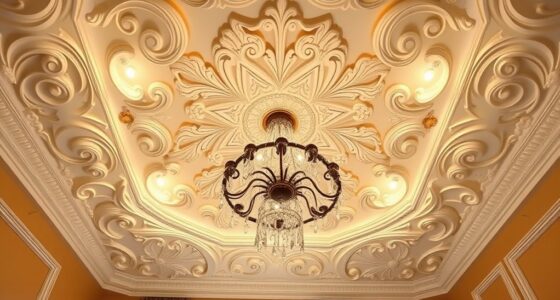
Miles Redd has been a prominent figure in American interior design for decades, known for his maximalist style characterized by bold colors, theatrical flourishes, and layered decor. His early influences include his Southern upbringing, admiration for 1930s Hollywood glamour, and mentorship under Bunny Williams. Recently, he has publicly expressed a desire to explore more minimalist aesthetics, inspired by English country houses and a personal need for simplicity. This evolution reflects a larger trend of shifting tastes among designers and homeowners toward pared-down, clutter-free spaces.
“Learning to let go of possessions may be the ultimate luxury of all.”
— Miles Redd
Unclear if Minimalism Will Fully Replace Maximalism
It is not yet clear whether Miles Redd will fully transition to a minimalist style or if his maximalist tendencies will coexist with new, simpler aesthetics. His public statements suggest an exploration rather than a complete overhaul, and his future projects may reflect a hybrid approach.
Redd’s Future Projects and Public Statements on Style
Redd is expected to continue experimenting with his aesthetic, possibly integrating minimalism into upcoming projects. He may also further discuss his personal journey and influence within the design community, potentially inspiring others to consider decluttering and simplicity as viable design and lifestyle choices.
Key Questions
Why is Miles Redd shifting away from maximalism?
He cites personal growth and a desire for emotional clarity as reasons, emphasizing the freeing feeling of letting go of possessions.
Will Redd abandon his signature style entirely?
It is unclear; he seems to be exploring a more minimalist approach while maintaining his signature sense of personality and humor.
How does this change reflect broader trends in interior design?
It mirrors a growing movement toward minimalism, decluttering, and intentional living among designers and homeowners.
What benefits does Redd associate with decluttering?
He describes it as a form of liberation that enhances emotional well-being and personal freedom.
Will Redd’s new aesthetic influence his future work?
Likely, as he continues to evolve his style and share his personal insights, his approach may inspire others to embrace simplicity.
Source: Homes & Gardens