
TL;DR
A Veranda report gathers advice from gallery and design professionals on deciding whether a piece of art is right to buy. They recommend looking for a personal or emotional connection while also checking how the work will fit a space; the report does not establish that an emotional response predicts financial value.
Veranda has published advice from art and interior-design professionals on deciding whether a work is worth buying, urging prospective collectors to weigh their emotional connection alongside practical considerations such as how the piece will fit a room. The report frames the choice as personal rather than a matter of matching décor or following trends; it does not claim that a strong reaction guarantees future resale value.

Get home appliances delivered free with Prime
- Fast, free delivery on millions of items
- Prime Video, Amazon Music and more included
- Member-only deals all year
Liz Lidgett, founder and owner of Liz Lidgett Gallery in Des Moines, suggests starting with how a buyer wants to feel in a particular space and whether the artwork supports that feeling. She also advises people unsure where to begin to consider consulting a trusted gallerist, designer or curator. In her view, a professional’s support for an artist can reflect confidence in that artist’s work and career, though it is not a guarantee of an artwork’s future value.
Lauren Robbins, owner of Lauren Robbins Interiors in Augusta, Georgia, says an emotional connection can make the cost of buying easier to accept. She describes thinking about the story a work might carry for her family, including where she bought it and what she learned about the artist. The report also recommends asking whether a work brings up a memory, contributes to a home’s story and could work in more than one location.
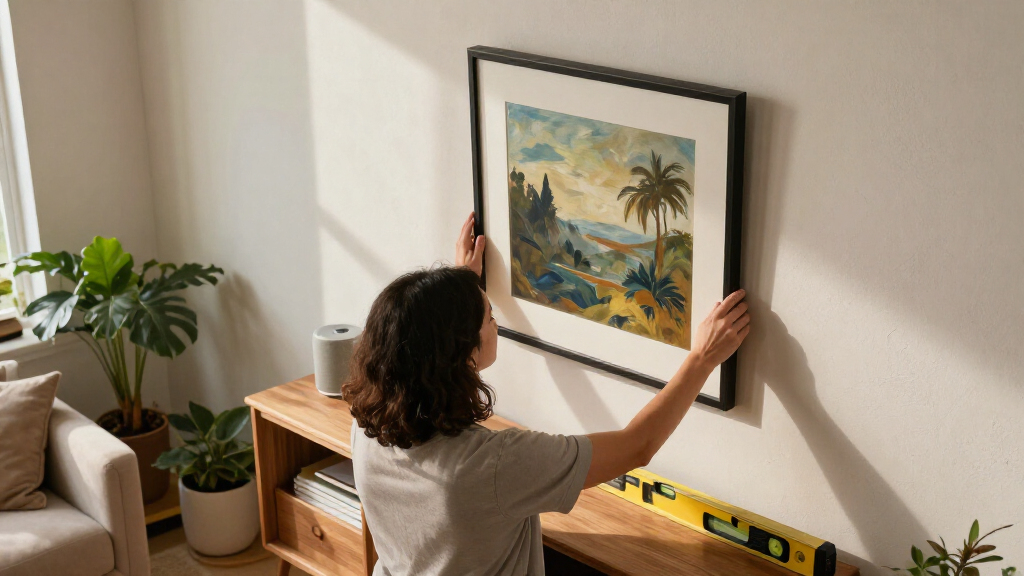
Practical fit remains part of the decision. Robbins says buyers should consider scale in relation to a room and its architectural details. Jenn Marder, co-owner of Pepper Home Decor, cautions against choosing art just to coordinate with furnishings or wall colors, which can change more often than an art collection. The supplied report also names trusted online retailers as possible places to narrow choices, but it does not offer a comparison of their services or prices.
A Personal Choice With Practical Stakes
Buying art can involve a substantial expense, and the work may remain in a home long after smaller décor choices have changed. The experts’ advice offers readers a way to separate lasting personal appeal from pressure to match a room or buy what is currently fashionable. Considering scale and possible placement before purchasing can also help avoid a mismatch between the work and the intended space.
The guidance is advice, not a financial test. Emotional attachment is not evidence of investment performance, and the report supplies no pricing data, market analysis or method for predicting appreciation. Buyers considering art primarily as an asset would need information beyond the personal questions discussed in the article.
Products Worth Considering

Levoit Vital 200S-P Smart Air Purifier for Large Rooms (Up to 1875 sq ft)

Bose Lifestyle Ultra Wireless Home Speaker, White Smoke

Blueair 2-in-1 Air Purifier and Humidifier for Rooms up to 1,726 sq. ft.
As an affiliate, we earn on qualifying purchases.
Questions Before a Purchase
The Veranda report organizes its guidance around questions a buyer can ask before committing: How should the room feel? Does the work prompt a response or recall a meaningful memory? Does it contribute to the home’s story? Is its size appropriate, and can the buyer imagine displaying it in other rooms or homes? These prompts shift the decision away from whether the work perfectly matches a rug or paint color.
The report attributes the advice to art and design professionals, including Lidgett, Robbins, Marder and Jelena Restovic James, director of fine art at New Orleans Auction Galleries. James recommends seeing work at an exhibition or local gallery and choosing art for a genuine personal connection rather than another person’s taste or media trends. The source material does not provide a publication date, detailed buying checklist, or specific information about authentication, condition reports, shipping or return policies.
“Anyone and everyone can enjoy collecting art. You deserve to live with art on the walls.”
— Liz Lidgett, founder and owner of Liz Lidgett Gallery
Value and Buying Risks Remain Open
The source does not establish how to verify authenticity, assess condition or judge a fair price. It also does not say that an emotional response predicts whether a work will retain or gain value. The experts’ comments are general recommendations, not an appraisal of any particular artwork or a guarantee that a buyer will find a suitable place for it.
The supplied report is incomplete at the point where it begins discussing scale, so its full practical guidance on sizing and any additional buying questions cannot be confirmed from the material provided. It gives no details about the featured works’ prices, sales or provenance.
Check the Work Before Committing
For a buyer considering a specific piece, the next step suggested by the report is to view it in person where possible, reflect on the response it prompts and assess its likely scale and placement at home. A trusted art professional may help narrow options and explain the artist’s practice. Before paying, buyers can also seek work-specific information—including price, condition, provenance and return terms—though those checks are not covered in detail in the supplied report.
No specific sale, deadline or follow-up announcement is reported. The decision remains with the buyer, who can use personal connection as one factor without treating it as proof of investment value.
Key Questions
What does the report say is a sign that a piece may be right for you?
The experts point to a personal response, such as feeling moved by the work, recalling a meaningful memory or imagining it in more than one place at home. These are prompts for judgment, not guarantees.
Should artwork match a room’s décor?
Jenn Marder advises letting art stand on its own rather than buying solely to coordinate with furnishings or wall color. Other experts say a work can still help connect a room to the wider story of a home.
Does loving a work mean it will be a good financial investment?
No. The report discusses emotional attachment and the cost of buying, but it provides no evidence that a personal connection predicts resale value or future appreciation.
What practical checks should a buyer make?
The report specifically raises scale and placement, including how a work relates to architectural features. It does not provide detailed guidance on authentication, condition, provenance, pricing or return policies.
Source: rss