TL;DR

Get home appliances delivered free with Prime
- Fast, free delivery on millions of items
- Prime Video, Amazon Music and more included
- Member-only deals all year
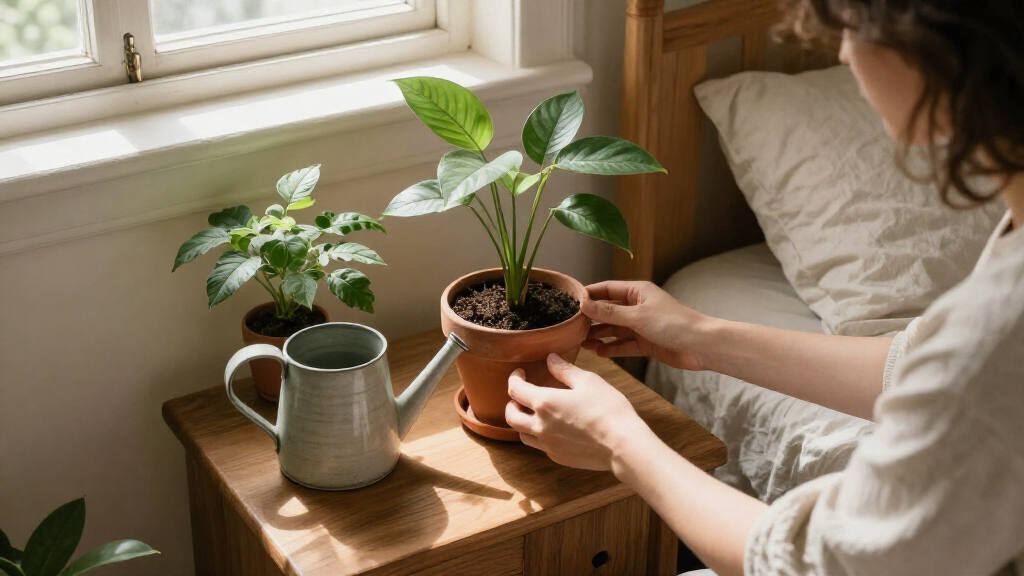
House Beautiful published a guide to 33 plants suited to bedroom growing, including options for low light, bright windows and different levels of care. The list offers practical plant-care suggestions, but its calming framing is not evidence that houseplants improve sleep.
House Beautiful has published a list of 33 plants it says can bring a calming touch to bedrooms, pairing plant suggestions with basic advice about light, watering and humidity. The guide is a lifestyle and gardening roundup, not a report of new research; its plant-care recommendations do not establish that having a live plant in a bedroom improves relaxation or sleep.
The selections span several growing conditions. For rooms with little direct sunlight, the guide recommends plants such as the cast iron plant, aglaonema, snake plant and ZZ plant. It says these can tolerate low light, while still requiring suitable watering and care. The list also includes pothos and heartleaf philodendron, described as adaptable vining plants that can trail from shelves or furniture.
For brighter rooms, the roundup names pilea peperomioides, lavender, monstera and bird of paradise. Its advice varies by plant: pilea should receive bright, indirect light and be watered when the top inch of soil is dry, while lavender needs strong light and may suit a sunny windowsill or a grow light. The guide says monstera should be watered after the upper few inches of soil dry.
Other entries focus on form or particular care preferences. The prayer plant is described as folding its leaves upward at night; the wax plant is said to appreciate higher humidity; and lucky bamboo can be grown in water or soil. House Beautiful also identifies some plants as pet-safe, including the cast iron plant and nerve plant. Those safety descriptions apply to the plants named in the source and should not be taken to mean all 33 are safe for pets.
Choosing Plants for Bedroom Conditions
The practical value of the list is that it groups options around light levels and care routines, which can help readers avoid choosing a plant that does not suit their room. A bedroom with a shaded window may be a better fit for a cast iron plant or ZZ plant than for lavender, which the guide says needs bright light. Matching a plant to the available light is more useful than selecting one based only on appearance.
The roundup also points to different maintenance demands. Some listed succulents, including snake plant and ponytail palm, are presented as needing less frequent watering, while other plants have distinct preferences for humidity or consistently slightly moist soil. These are general care pointers, not guarantees: actual needs can vary with pot size, soil, temperature and the conditions in a particular home.
The word “calming” is the article’s framing, not a measured outcome in the supplied material. The source says lavender has long been considered beneficial for relaxation and sleep, but acknowledges that most research it refers to has studied lavender essential oils specifically. It does not provide evidence that keeping a live lavender plant—or any of the other plants listed—in a bedroom improves sleep.
Products Worth Considering

Philips Hue Festavia 65-Foot Smart LED String Lights, 250 Color-Changing Mini LEDs

Ring Alarm 8-Piece Kit (2nd Gen) Home Security System

Roborock Qrevo S Pro Robot Vacuum and Mop with Multifunctional Dock
As an affiliate, we earn on qualifying purchases.
What the Plant Guide Covers
The supplied House Beautiful report presents 33 indoor plant choices, with brief descriptions of their appearance, light preferences, watering habits or other care traits. The provided excerpt gives details for 20 entries, including cast iron plant, prayer plant, wax plant, nerve plant, money tree, peace lily and parlor palm; it does not include the remaining 13 entries. This article therefore does not infer their names or care instructions.
Several recommendations are framed as tolerances rather than ideal conditions. Aglaonema is described as tolerating very low light, while the peace lily is said to adapt to low light but need bright indirect light to bloom. The guide advises watering many entries only after the soil surface has dried, but the precise depth and timing differ. Readers should follow care information for the exact species and adjust to their room, rather than applying one schedule to every plant.
““Although most research has studied the use of lavender essential oils specifically, having a live lavender plant in your bedroom probably can’t hurt.””
— House Beautiful, on lavender
Limits of the Relaxation Claims
The supplied material does not give a publication date, name the authors of the roundup, or provide links to the studies referenced in its lavender discussion. It also offers no evidence that the full set of 33 plants has been tested for effects on sleep or relaxation. The calming benefit should therefore be understood as descriptive lifestyle framing, not a confirmed health effect.
The excerpt supplied here contains descriptions for only 20 plants, despite the headline’s count of 33. It also does not provide a complete safety assessment for every plant. Pet owners should verify the safety of a particular species with an appropriate, reliable source before bringing it into a home with animals. Care instructions are presented briefly, so the best watering frequency for an individual plant remains dependent on its growing conditions.
Check Light and Care Before Buying
The source material gives no announced follow-up, new research or upcoming milestone. For readers using the roundup, the next step is to check the full entry for a chosen plant and compare its needs with the bedroom’s available light, humidity and space. The supplied excerpt does not name all 33 selections, so readers seeking the full list would need to consult House Beautiful’s original report.
Before buying, verify the plant’s care requirements and, where relevant, its safety around children and pets. Any claim that a plant will improve sleep should be treated separately from practical advice about keeping the plant healthy: the cited material does not establish that outcome for live bedroom plants.
Key Questions
What is the news in this report?
House Beautiful published a roundup of 33 bedroom plants, with descriptions and basic care advice. The supplied excerpt contains details for 20 of them.
Does the guide prove bedroom plants improve sleep?
No. The supplied material does not show that live bedroom plants improve sleep. Its lavender discussion says most research it refers to concerns essential oils, not a potted plant.
Which plants does the guide suggest for low-light bedrooms?
It describes the cast iron plant, aglaonema, snake plant and ZZ plant as tolerant of low light. Their care still depends on conditions such as soil and watering.
Which listed plants need brighter conditions?
The guide recommends bright light for lavender and pilea, and bright indirect light for plants including monstera and bird of paradise. Lavender may need a sunny windowsill or a grow light, according to the report.
Are all 33 plants safe for pets?
The supplied excerpt identifies the cast iron plant and nerve plant as pet-safe, but it does not establish that every plant on the full list is safe. Verify the safety of each species before bringing it into a home with pets.
Source: housebeautiful.com