
TL;DR

Get home appliances delivered free with Prime
- Fast, free delivery on millions of items
- Prime Video, Amazon Music and more included
- Member-only deals all year
A House Beautiful report says designers recommend making bathroom layout and everyday function the first priorities in a renovation, ahead of decorative finishes. They point to the floor plan, storage and vanity needs as early decisions, while one designer says the shower may be the first upgrade if the budget allows.
A House Beautiful report says designers recommend fixing a bathroom’s layout and everyday function before choosing tile, countertops or other finishes. The advice matters because floor-plan decisions shape the room’s storage, vanity size and shower options—and can affect the cost and scope of later choices.
Several designers interviewed for the report put functionality and flow ahead of appearance. Nureed Saeed, founder and creative director of Nu Interiors, said those are the most important considerations in a renovation. Janelle Patton, principal designer and owner of Lark Interiors, said her team starts with the layout when it is not working, before discussing decorative materials.
Patton said reassessing the floor plan can help homeowners use wasted space and potentially create a larger shower, better storage or a more functional vanity. The layout also determines whether there is enough room for daily routines or whether space might be made available for a closet. She said designers settle those questions before moving on to aesthetic selections.
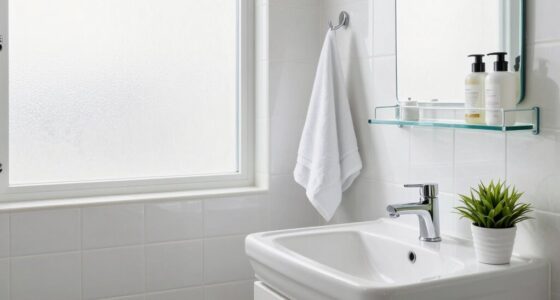
The designers also highlighted the placement of the toilet, shower and sink, including whether the toilet area can be made more private. The vanity deserves particular attention because it supports frequent activities such as handwashing, skin care and makeup, as well as storage. For a smaller bathroom, Kelly Collier-Clark, founder and principal designer of House of Clark Interiors, said updating the mirror and lighting may improve the vanity area without replacing it.
Layout Choices Shape Daily Use
The recommendation offers homeowners a practical order for making renovation decisions: resolve the room’s constraints before committing to finishes. A beautiful surface cannot by itself correct an awkward circulation path, inadequate storage or a vanity that does not suit daily use. Starting with the plan gives homeowners and designers a chance to identify those problems while the project is still being designed.
Early layout decisions can also affect what work is needed and how much the renovation may cost. The report does not provide budgets or quantify savings, but it notes that plumbing and tile work make the shower a major functional and visual component. Collier-Clark said the shower would be her first recommended renovation if the budget permits. That is a conditional recommendation, not a universal rule: the broader advice from the designers is to address function first.
For readers planning a project, the distinction is between solving a real use problem and adding an optional feature. A more workable floor plan, usable storage and adequate counter space address everyday needs. Steam showers, heated bidet seats or other luxury additions can come later, once the basics are considered.
As an affiliate, we earn on qualifying purchases.
The Design Advice Behind the Report
The House Beautiful article, written by Shelby Deering with photographs credited to the designers and photographers identified in the report, asked design professionals which bathroom improvement clients should tackle first. It presents their responses as professional recommendations, rather than findings from a survey or a universal construction standard.
The report frames bathroom renovations around how residents use the room at the beginning and end of each day. Patton said renovations can address recurring frustrations such as an awkward layout, too little storage or insufficient counter space. The article’s sequence is to establish how the room should function, then select finishes and consider optional comforts.
That sequence does not mean every bathroom needs the same plan. Saeed’s examples include reviewing toilet privacy and shower size, while Collier-Clark discusses the vanity and, if funds allow, the shower. The right starting point depends on the specific room, the household’s routines and the project budget.
“Function first—always.”
— Janelle Patton, principal designer and owner of Lark Interiors
bathroom vanity with ample storage
As an affiliate, we earn on qualifying purchases.
As an affiliate, we earn on qualifying purchases.
No Universal Plan or Cost Estimate
The report does not identify one layout that suits every bathroom, nor does it give cost estimates, project timelines or measured outcomes for the recommendations. It is also not clear from the supplied material when the article was published. The designers’ comments are attributed advice; the report does not present them as a formal industry rule or as independently tested results.
Whether a homeowner can move plumbing, enlarge a shower or change a vanity depends on the room, building conditions and available budget. The source does not detail permitting, structural constraints or how those factors affect individual projects. Homeowners would need project-specific assessments before treating any suggested change as feasible.
As an affiliate, we earn on qualifying purchases.
Plan the Room Before Finishes
The next step for a homeowner following the report’s advice is to list the problems the current bathroom creates, then review the floor plan with a qualified designer or contractor. That discussion can establish priorities for the shower, vanity, storage and fixture locations before finish selections begin. The source does not announce a follow-up report or a specific industry milestone.
Once the layout and functional needs are settled, homeowners can compare materials and decide whether the budget allows extras such as a steam shower, jetted tub, cosmetic refrigerator, Bluetooth-enabled showerhead or heated bidet seat. Those features are examples Saeed gave, not requirements. The report’s stated order remains practical needs first, then optional amenities.
As an affiliate, we earn on qualifying purchases.
Key Questions
What should be addressed first in a bathroom renovation, according to the report?
The designers interviewed by House Beautiful recommend starting with the layout and how the bathroom functions, before choosing finishes.
Does the report say the shower should always be renovated first?
No. Kelly Collier-Clark recommended the shower first if the budget permits. The report’s wider recommendation is to address the room’s layout and functional needs before decorative decisions.
Why does the vanity matter?
Collier-Clark said the vanity supports frequent tasks such as handwashing, skin care and makeup, and provides storage. The report also suggests that lighting and a mirror can refresh a small vanity area.
When should homeowners choose tile and other finishes?
Patton said her team settles the floor plan and functional questions first. Once the room’s needs are clear, homeowners can move on to tile, countertops and other aesthetic choices.
Does the article provide renovation costs or a standard layout?
No. The supplied report offers designer recommendations but gives no cost estimates and does not prescribe a single layout for every bathroom.
Source: rss
Columbus Day / Indigenous Peoples' Day Picks
long weekend sales
As an affiliate, we earn on qualifying purchases.