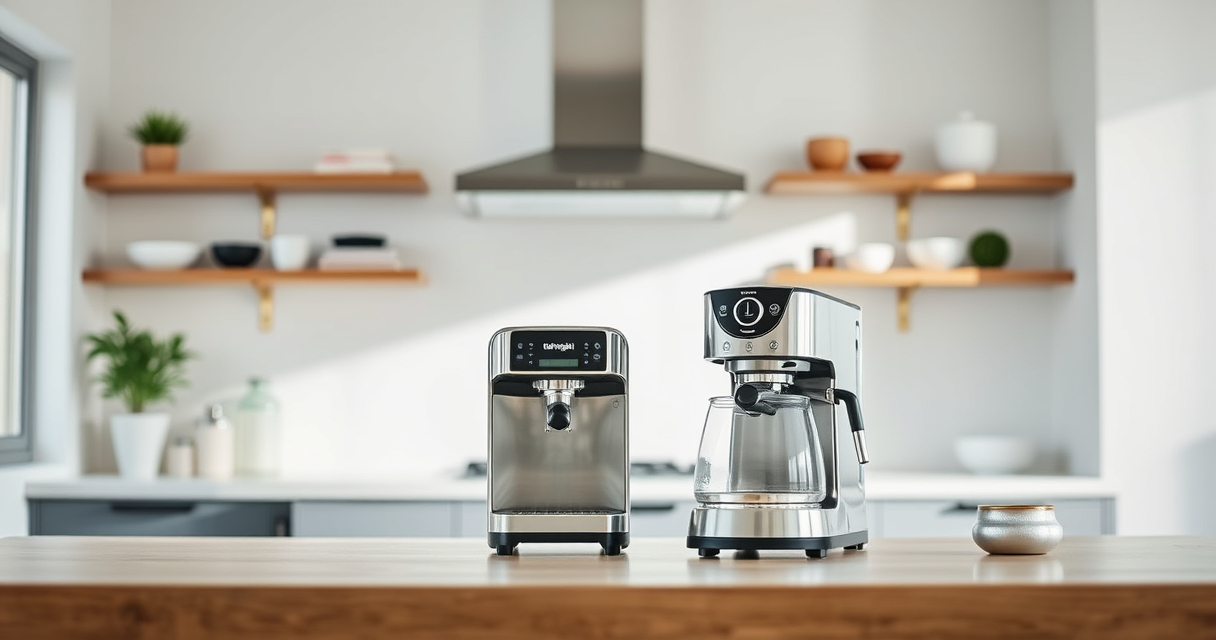
If your De’Longhi espresso machine is leaking water, it can disrupt your brewing routine and potentially cause damage. Addressing this issue promptly is essential for maintaining your machine’s performance and ensuring delicious coffee every time.
In this guide, you’ll find practical, step-by-step instructions to identify the cause of the leak, fix it safely, and prevent future problems.
Key Takeaways
| Identify the leak source | Determine if the leak comes from the water tank, hoses, or seals. |
| Check the water tank and connections | Ensure the water tank is properly seated and the connections are tight. |
| Inspect internal components | Look for damaged or worn-out seals and gaskets. |
| Perform routine descaling | Use appropriate descaling products to prevent mineral buildup. |
| Regular maintenance | Keep your machine in optimal condition with scheduled cleaning. |

De'Longhi Magnifica Evo Next Automatic Espresso Machine, Frother, Silver
- Worldwide Espresso Machine Leader: Top global manufacturer in 2025
- 13 One-Touch Beverage Recipes: Espresso, Latte, Cappuccino, and more
- Built-In Conical Burr Grinder: 13 grind settings for optimal extraction
As an affiliate, we earn on qualifying purchases.
Step 1: Turn Off and Unplug the Machine
Always ensure the machine is turned off and unplugged before starting any troubleshooting to prevent electrical shock or damage.

De'Longhi Replacement Water Filter for Select Espresso Machines, DLSC002
- Enhances water quality: Optimizes water for better taste
- Prevents lime scale: Improves machine performance and longevity
- Improves coffee flavor: Provides cleaner, better-tasting coffee
As an affiliate, we earn on qualifying purchases.
Step 2: Empty and Remove the Water Tank
- Carefully remove the water tank from the machine.
- Inspect it for cracks or damage.
- Check that the tank’s seal and gasket are clean and properly seated.
Step 3: Check for Visible Leaks and Damaged Parts
- Look for water around the base or inside the machine’s drip tray.
- Inspect hoses and connections for cracks or loose fittings.
- Examine seals and gaskets for signs of wear or damage.
Step 4: Reassemble and Test
Reinsert the water tank securely, ensuring it clicks into place. Plug the machine back in and turn it on. Observe if the leak persists during operation.
Step 5: Perform Routine Maintenance
Use a descaling solution like the EcoDecalk Descaler to remove mineral buildup, which can cause leaks. Follow manufacturer instructions carefully.
The Products in This Guide
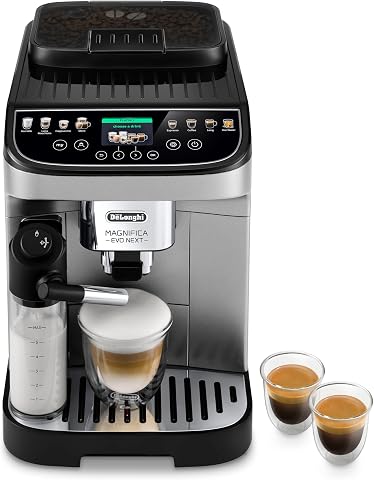
De’Longhi Magnifica Evo Next Fully Automatic Espresso Ma
- ✔ Color: Stainless Steel
- ✔ Power: 1450W
- ✔ Warranty: 1 year

De’Longhi Replacement Water Filter
- ✔ Filter Type: Water cartridge
- ✔ Replacement Indicator: Yes
- ✔ Price: Affordable
De’Longhi Magnifica Evo Next Fully Automatic Espresso Ma
The De’Longhi Magnifica Evo Next Fully Automatic Espresso Machine is a top choice for coffee lovers. It offers customizable drinks, a built-in grinder, and advanced milk frothing technology. Regular maintenance helps prevent leaks and keeps it running smoothly.
Pros:
- Programmable with 13 recipes
- Built-in grinder with 13 settings
- Advanced milk frother
- User-friendly interface
Cons:
- Can be complex to clean
- Pricey compared to manual machines
- Requires regular descaling
Best for: Home baristas seeking convenience and quality
Not ideal for: Users looking for a budget-friendly manual espresso maker
Bottom line: A versatile and reliable espresso machine with features to suit everyday coffee needs.
De’Longhi Replacement Water Filter
Using a water filter like the De’Longhi Replacement Water Filter can significantly improve your machine’s performance by reducing mineral deposits and preventing leaks caused by scale buildup.
Pros:
- Improves water quality
- Prevents limescale
- Easy to install
- Enhances coffee flavor
Cons:
- Requires replacement every few months
- Additional cost
- Limited to compatible models
Best for: Maintaining water quality and extending machine lifespan
Not ideal for: If your leak is due to internal damage, a filter won’t resolve it
Bottom line: A simple upgrade that helps prevent leaks caused by mineral buildup.
Frequently Asked Questions
Why is my De’Longhi espresso machine leaking water?
Leaks can occur due to loose connections, damaged seals or gaskets, mineral buildup, or internal cracks. Inspect these areas first to identify the cause.
How can I prevent water leaks in my espresso machine?
Regularly descale the machine, check and replace worn seals, ensure the water tank is properly seated, and avoid overfilling or using damaged parts.
Is it safe to attempt fixing internal leaks myself?
Yes, if you follow safety guidelines and the machine is unplugged. However, for significant internal damage, professional repair is recommended.
How often should I descale my De’Longhi machine?
Typically every 2-3 months, or more frequently if you have hard water. Use a descaling solution like EcoDecalk for best results.
Keep Your Coffee Fresh and Leak-Free
Regular maintenance and careful inspection can prevent most leaks in your De’Longhi espresso machine. By following these troubleshooting steps and using quality accessories, you’ll ensure your machine stays in top condition, delivering delicious coffee every time.
Affiliate disclosure: As an Amazon Associate we earn from qualifying purchases. Prices and availability are accurate as of the time of publishing.