TL;DR

Get home appliances delivered free — and shop member deals
- Fast, free delivery on millions of items
- Access to Prime Big Deal Days deals on October 6–7
- Prime Video, Amazon Music and more included
Livingetc has published a designer-sourced roundup of six modern window treatment approaches that treat windows as design elements rather than purely functional features. Ideas include layered natural-fiber blinds, tie-dye sheers, stained glass, patchwork curtains, vintage floral Roman blinds, and sculptural shutters. Designers caution that poorly chosen treatments can overwhelm a room.
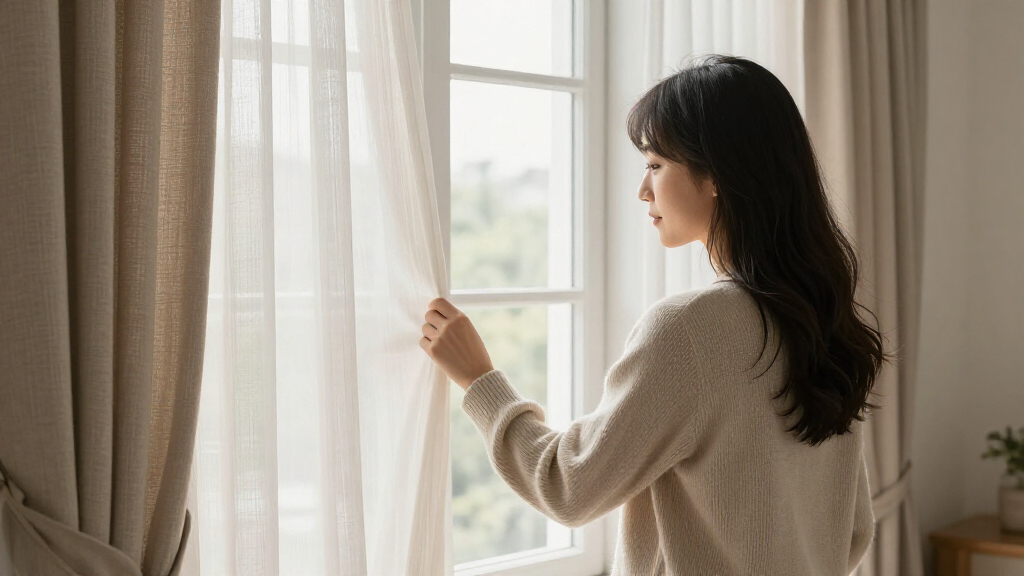
Interior design publication Livingetc has published a roundup of six modern window treatment ideas from working designers, arguing that window dressings now function as design elements in their own right rather than simple light blockers. The report draws on projects from studios including A Naber Design, House of Honey, Ome Dezin, and YSG Studio, spanning California, London, Sydney, and New Mexico.
The report frames contemporary window treatments as serving three functions at once: privacy, reduction of UV rays that damage furniture and flooring, and style. “There is such a variety of options available for window treatments nowadays, allowing way more to explore creatively,” Claudia Afshar of Claudia Afshar Design told the publication.
The six featured ideas are: a linen-and-paper blind by Abbie Naber of A Naber Design for a La Quinta, California project, using Zak + Fox’s semi-transparent Shanty fabric; a tie-dye sheer fabric created by Tamara Kaye-Honey of House of Honey for the Ethel Apartment at Battersea in London; a stained glass window by glass artist Theodore Ellison for a Santa Fe, New Mexico project; a patchwork curtain assembled from fabric remnants for Ome Dezin, described by its founders as functioning “more like an art installation”; vintage floral Roman blinds made from an offcut fabric in a Bondi Beach apartment by YSG Studio; and a set of sculptural shutter designs, including perforated polka-dot versions the report links to a revival of postmodernist styling.
The designers repeatedly describe treating fabric and glass as materials that shape how light behaves in a room. “The windows do more than bring in light — they shape the room,” Kaye-Honey said. “We treated them almost like a material, layering soft, diffused surfaces that catch and shift with the sun.”
Why Windows Are Becoming Design Focal Points
The report reflects a broader shift in interior design practice: window treatments are increasingly specified with the same attention as furniture, art, and architectural finishes. For homeowners planning renovations or redecoration, the featured projects suggest that fabric choice, layering, and even commissioned glasswork can change how a room reads — adding texture and pattern without dominating the space, as YSG Studio founder Yasmine Ghoniem noted of her translucent, unlined Roman blinds.
The piece also carries practical warnings. The report states that with large amounts of fabric, and depending on window style, treatments “can quickly become frumpy and overwhelm a room,” and it says designers advise avoiding dated options such as eyelet curtains and off-the-shelf roller blinds. UV protection and privacy remain functional considerations alongside aesthetics.
The Six Projects Behind the Trend
Each idea in the roundup comes from a completed, photographed project. Naber’s La Quinta blind pairs a zigzag-woven linen-and-paper fabric against simple plaster walls to add what she calls “texture, depth, and dimension.” Ellison’s Santa Fe stained glass was built, he says, to balance “the structural demands of a window built for the climatic extremes of the high desert” with a geometry evoking the phases of the sun and moon.
The Ome Dezin patchwork curtain was curated by team member Cali Tee from fabric remnants, with founders Joelle Kutner and Jesse Rudolph emphasizing materiality and light as the source of the curtain’s character. The report also notes current curtain trends beyond the six features, including doubled-up layers, pelmet framing, color-blocking, and sheer fabrics used to manipulate light.
“There is such a variety of options available for window treatments nowadays, allowing way more to explore creatively.”
— Claudia Afshar, Claudia Afshar Design
Claims That Rest on Designer Opinion
The report is a trend roundup rather than a survey of market data. Claims that certain treatments — such as postmodernist perforated shutters — represent a wider “renaissance” reflect the publication’s editorial framing rather than measured industry figures. The advice to avoid eyelet curtains and off-the-shelf roller blinds is attributed to designers’ judgment, not to any cited research. None of the featured products have been independently evaluated by this outlet, and pricing and availability for the specific designer fabrics, such as Zak + Fox’s Shanty material, are not stated in the report.
Where the Window Treatment Trend Heads
Livingetc points readers toward its newsletter for continued trend forecasts and shopping inspiration. Homeowners interested in similar treatments — particularly custom stained glass, commissioned patchwork panels, or layered sheer installations — would typically need to work with a designer or specialist fabricator, since the featured pieces are one-off or trade-sourced. Retailer alternatives named in the report, such as a John Lewis sheer Roman blind and a Dunelm voile panel, offer accessible starting points for readers testing the layered, light-focused approach at smaller scale.
Key Questions
What are the six window treatment ideas in the Livingetc report?
A linen-and-paper woven blind, a tie-dye sheer fabric, a commissioned stained glass window, a patchwork curtain made from fabric remnants, vintage floral Roman blinds, and sculptural or perforated shutters.
Do modern window treatments offer practical benefits beyond appearance?
According to the report, yes: they add privacy and reduce UV rays reaching furniture and flooring, in addition to their decorative role.
Which window treatments do designers in the report advise against?
The report states designers warn against outdated options such as eyelet curtains and off-the-shelf roller blinds, and cautions that heavy or poorly chosen fabric can overwhelm a room.
Can these ideas be recreated without a designer?
Partially. The report lists retail options including a John Lewis sheer Roman blind and a Dunelm voile panel, but commissioned pieces like stained glass or remnant patchwork curtains typically require a specialist or design studio.
Why did YSG Studio leave its Roman blinds unlined?
Founder Yasmine Ghoniem said she skipped block-out lining to keep a supple edge when the blinds are partially raised, giving the room lightness and tonal interest without dominating the space.
Source: rss
Fall yard work Picks
leaf blowers
As an affiliate, we earn on qualifying purchases.