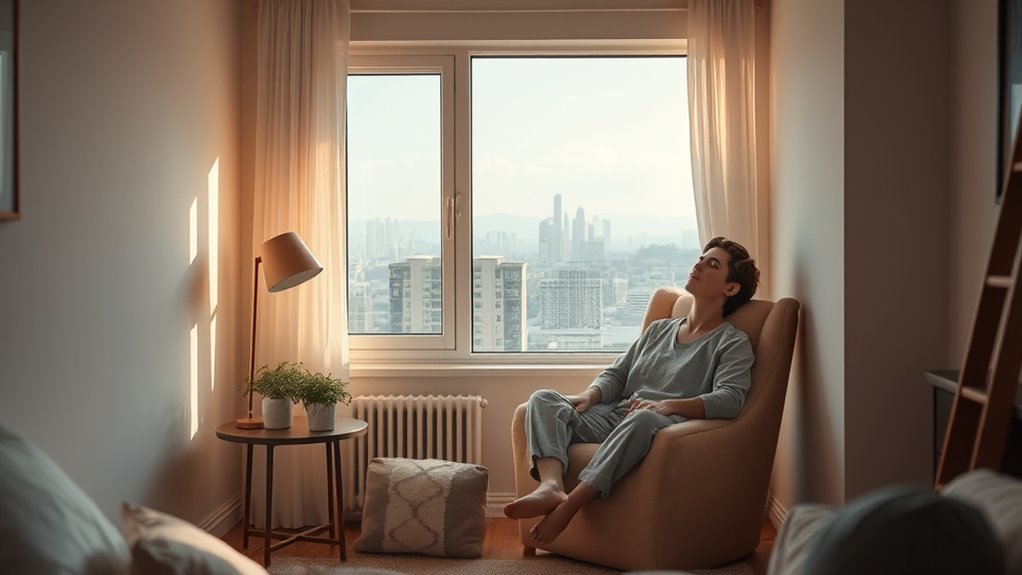

To cope with claustrophobia in small spaces, identify your triggers like tight corners or crowded areas and learn how to manage them. Make your environment feel more open by using light colors, natural lighting, and adjustable furniture. Practice relaxation techniques such as deep breathing or mindfulness exercises regularly. Establish routines to ease anxiety and utilize sensory tools like calming visuals or sounds. If you want practical strategies to feel more comfortable, explore the expert tips that follow.
Key Takeaways
- Recognize personal triggers and develop coping strategies through journaling and anticipation.
- Design your space with light colors, natural lighting, and open decor to enhance feelings of openness.
- Practice deep breathing, mindfulness, and relaxation routines to manage anxiety in confined environments.
- Use sensory tools like calming visuals, tactile objects, and soothing sounds to create a comforting atmosphere.
- Seek professional support such as therapy or support groups for tailored strategies and emotional assistance.

Product Title: webe kälm: Sensory tool for calming with slow exhalation, visual focus, and auditory regulation. Supports mindfulness, stress relief, bedtime, and anxiety. (Blue)
Learn to "Take a webe breath"
As an affiliate, we earn on qualifying purchases.
As an affiliate, we earn on qualifying purchases.
Recognizing and Understanding Your Triggers
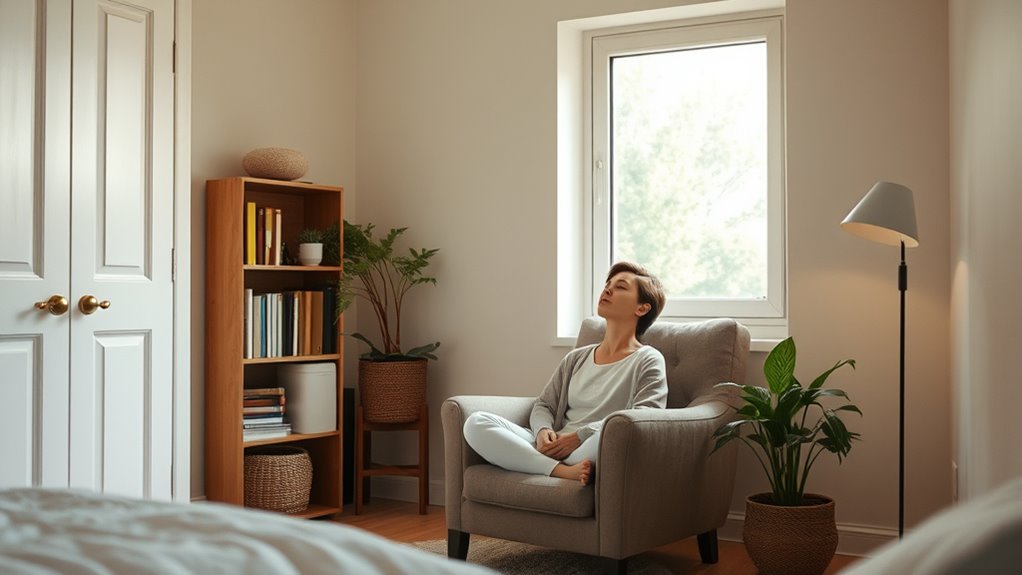
Understanding what triggers your claustrophobia is the first step toward managing it effectively. Emotional triggers, like feelings of panic or anxiety, can intensify your reactions in small spaces. Environmental cues, such as crowded rooms, tight corners, or enclosed areas, often set off these feelings. Pay attention to situations where you start feeling uneasy or trapped, and note what’s happening around you. Recognizing these triggers helps you anticipate and prepare for challenging moments. Keep a journal to track specific cues or emotions that heighten your claustrophobic responses. This awareness allows you to develop strategies to cope or gradually desensitize yourself. The more you understand your triggers, the better you’ll become at managing your reactions and reducing your anxiety over time. Incorporating stress management techniques like deep breathing or mindfulness during these moments can also help alleviate feelings of panic. Additionally, understanding Environmental cues can assist in creating a safer space for yourself and developing effective coping mechanisms. Practicing mindfulness regularly can strengthen your resilience and improve your ability to handle small space situations. Staying informed about mental health resources and support systems can further empower you in managing claustrophobia effectively.

FBBJFF Light Therapy Lamp 11000 Lux, LED UV-Free Sunlight Lamp,Full Spectrum Happy Therapy Lamp with 10 Adjustable Brightness Levels, 2 in 1 Retractable Floor Light Therapy Lamp
Our light therapy lamps, UV free, mimic natural light, full spectrum and with 11,000 Lux, provide safe, natural…
As an affiliate, we earn on qualifying purchases.
As an affiliate, we earn on qualifying purchases.
Creating a Personal Space That Feels Open and Inviting

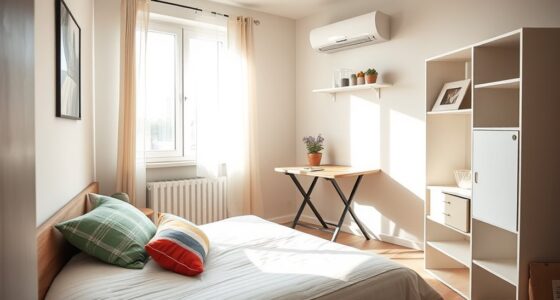
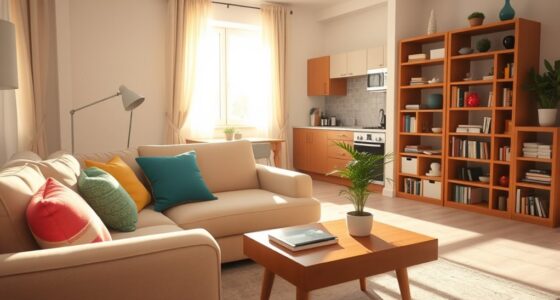
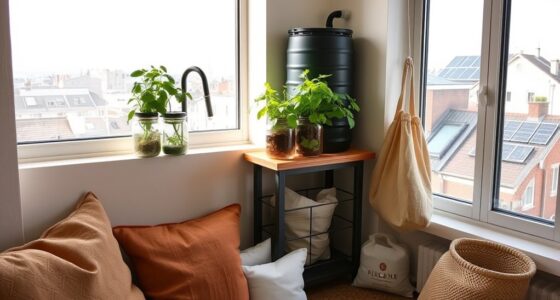
You can make your space feel more open and inviting by choosing light colors and plenty of natural or bright lighting. Incorporate flexible furniture that you can easily move or adjust to suit your needs, reducing feelings of confinement. Adding personal decor helps create a comforting environment that reflects your personality without cluttering the space. Incorporating trustworthy accessory advice can also enhance your space with stylish, functional touches that boost your confidence and comfort. Additionally, utilizing visual openness techniques like mirrors or open shelving can further increase the sense of space and reduce claustrophobic feelings. Considering contrast ratio in your decor choices can impact the perceived brightness and depth, making your space feel more expansive and lively. Embracing rustic elements in your decor can add warmth and character that promote a calming environment. Incorporating sustainable living principles in your decor choices can also promote a healthier, more calming environment that supports mental well-being.
Use Light and Color
Bright, natural light can make a small or enclosed space feel much more open and welcoming, which is especially helpful for easing claustrophobic feelings. Use lighting techniques like open curtains or skylights to maximize sunlight and create an airy atmosphere. Incorporate color psychology by choosing light, neutral shades such as whites, soft blues, or pastels, which evoke calmness and openness. Bright, cool tones reflect more light, making your space appear larger and more inviting. Avoid dark or overly bold colors that can feel oppressive in a small space. Strategically placed lighting and thoughtful color choices work together to reduce feelings of confinement and foster a sense of freedom and comfort in your environment. Additionally, selecting the right bedside lamps can enhance the overall ambiance and make your space feel less confined. Using low-intensity lighting options can also help create a calming environment that minimizes feelings of being trapped, while thoughtful lighting placement ensures the space remains open and inviting. Incorporating lighting techniques that maximize natural light can further enhance the feeling of spaciousness. Regular use of glycolic acid products in your skincare routine can also improve skin radiance and texture, contributing to a more positive and confident outlook in your personal space.
Incorporate Flexible Furniture
Incorporating flexible furniture can transform a cramped space into an open and welcoming environment. Multi functional furniture, like fold-away beds or storage ottomans, helps maximize your room’s potential without cluttering it. These pieces allow you to switch layouts easily, creating adaptable spaces suited to your needs. For example, a sofa bed can serve as seating during the day and a bed at night, reducing the feeling of confinement. By choosing versatile furniture, you can reconfigure your space quickly, promoting a sense of openness. This approach helps break down physical barriers, making your small space feel less restrictive. When your furniture serves multiple purposes, you gain more room to breathe, helping ease claustrophobic feelings and fostering a comfortable, inviting atmosphere. Additionally, selecting furniture inspired by Italian design culture can add a touch of elegance and warmth to your environment, enhancing the feeling of openness and comfort. Incorporating space optimization strategies, like smart furniture placement, can further improve your living area and reduce feelings of being closed in. Implementing Vetted conversion kits can also help create multi-functional setups, especially if you’re considering moving or upgrading your space, further contributing to a sense of spaciousness. Utilizing innovative storage solutions can also help maintain a clutter-free environment, further contributing to a sense of spaciousness. Exploring modular furniture options can give you even more flexibility to adapt your space as needs change over time.
Add Personal Decor
Adding personal decor transforms a small, confined space into an open and welcoming retreat. When you focus on space personalization, you create an environment that reflects your personality without feeling cluttered. Choose light-colored or neutral decor to open up the space visually. Incorporate meaningful art, photos, or textiles that make you feel comfortable and at home. Keep surfaces clear and avoid overloading the area with too many decorations, which can make it feel cramped. Using strategic lighting, like soft lamps or string lights, adds warmth and depth without crowding the room. Personal decor helps you feel more relaxed by making your space uniquely yours, reducing claustrophobic feelings and creating an inviting atmosphere that’s easy to enjoy. As you select decor, consider items that enhance visual openness and promote a sense of freedom within your space. Master the Art of Smart Shopping on Amazon to find stylish yet affordable decor options that enhance your space without overwhelming it. Incorporating space organization techniques can further optimize your environment, making it both beautiful and functional. Additionally, choosing clutter management strategies can help maintain a sense of openness and calm in your small living area. Implementing decor placement strategies can further maximize the visual impact and openness of your space.

Intelligent Change: The Five Minute Journal – Daily Gratitude Journal for Happiness, Mindfulness, and Reflection – Undated Life Planner
Cultivates Gratitude and Mindfulness – Journaling allows you to appreciate your life more for at least 5 minutes…
As an affiliate, we earn on qualifying purchases.
As an affiliate, we earn on qualifying purchases.
Incorporating Relaxation and Mindfulness Practices
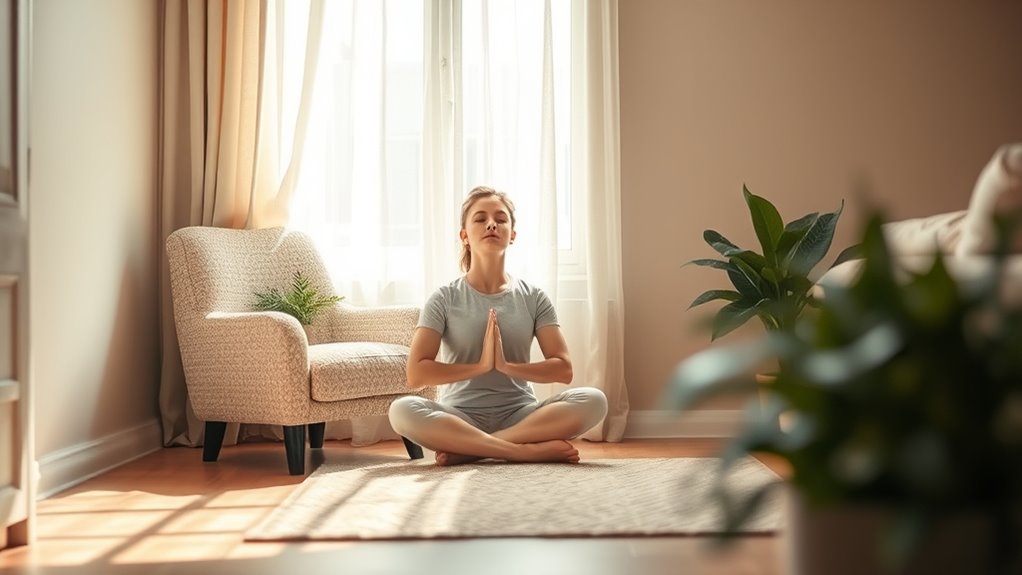
You can reduce feelings of confinement by practicing deep breathing exercises and focusing on your breath. Incorporating mindful space awareness helps you stay present and calm in enclosed environments. Guided meditation techniques further support relaxation, making it easier to manage claustrophobic sensations. Understanding successful co-parenting tips can also help create a more supportive environment after experiencing feelings of restriction.
Deep Breathing Exercises
Deep breathing exercises are a powerful tool for managing claustrophobia, helping you calm your mind and body when feelings of confinement become overwhelming. By practicing breathing techniques, you can slow your heart rate and ease anxiety. Focus on grounding exercises that keep you connected to the present moment, such as inhaling slowly through your nose, holding the breath briefly, then exhaling fully through your mouth. Repeat this process, paying attention to each breath, to create a sense of stability and control. Deep breathing helps interrupt the panic cycle, making it easier to face small spaces. Incorporate these techniques into your daily routine or use them during moments of heightened claustrophobic feelings, enabling you to regain composure and reduce discomfort.
Mindful Space Awareness
Building on your breathing exercises, practicing mindful space awareness can deepen your sense of control and calm in confined environments. Spatial mindfulness involves paying close attention to your surroundings without judgment, helping you stay grounded. Awareness exercises, such as noting the textures, sounds, and temperature of your space, train your mind to focus on the present moment. As you become more attuned to your environment, you may notice a reduction in feelings of suffocation or panic. Incorporate brief pauses throughout your day to observe your space intentionally. These simple practices reinforce your ability to manage claustrophobia by fostering a sense of familiarity and acceptance within small spaces. Over time, this mindfulness can transform your experience from anxiety to acceptance.
Guided Meditation Techniques
Have you ever tried guided meditation to ease feelings of claustrophobia? It can be a powerful tool to calm your mind and body. To enhance your practice, consider these key techniques:
- Listen to soothing nature sounds, like flowing water or birdsong, to create a calming environment.
- Use aromatherapy techniques, such as diffusing lavender or chamomile, to promote relaxation.
- Focus on your breath, taking slow, deep inhales and exhales, while following a guided meditation that emphasizes mindfulness and body awareness.
These methods help shift your focus away from confined spaces and foster a sense of openness. Regular practice can strengthen your resilience and reduce claustrophobic feelings over time.
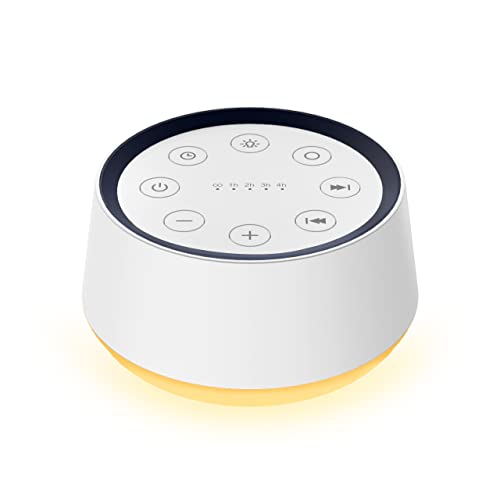
Brown Noise Sound Machine with 30 Soothing Sounds 12 Colors Night Light White Noise Machine for Adults Baby Kids Sleep Machines Memory Function 36 Volume Levels 5 Timers for Home Office Travel
❤[30 Natural and Soothing Sounds] Our white noise machine provides 30 soothing sounds, including 3 Brown noise, 2…
As an affiliate, we earn on qualifying purchases.
As an affiliate, we earn on qualifying purchases.
Developing a Routine to Reduce Anxiety

Creating a consistent routine can considerably help manage claustrophobia by providing your mind with predictability and a sense of control. Establish calming rituals, like deep breathing or gentle stretches, at specific times each day to signal safety and stability. Good time management guarantees you allocate moments for these rituals, reducing stress before it escalates. Stick to a daily schedule, including regular wake-up, meal, and relaxation times, to build familiarity in your environment. This structure helps your brain anticipate what’s next, easing anxiety linked to small spaces. Consistency fosters confidence and diminishes feelings of being trapped or overwhelmed. With a clear routine, you’re better equipped to navigate your living space calmly and confidently, even during challenging moments.
Using Visual and Sensory Tools to Ease Stress

Incorporating visual and sensory tools into your routine can considerably reduce stress when facing confined spaces. To combat sensory overload and minimize visual distractions, try these strategies:
- Use calming visuals like nature images or soft colors to create a soothing environment.
- Incorporate sensory items such as stress balls or textured fabrics to provide tactile comfort.
- Introduce gentle background sounds, like nature noises or white noise, to mask overwhelming stimuli.
These tools help redirect your focus, reduce feelings of claustrophobia, and calm your mind. Visual distractions can be controlled by customizing your environment, while sensory items help manage overstimulation. Implementing these simple techniques can make small spaces feel more manageable and less intimidating.
Seeking Support and Professional Help When Needed
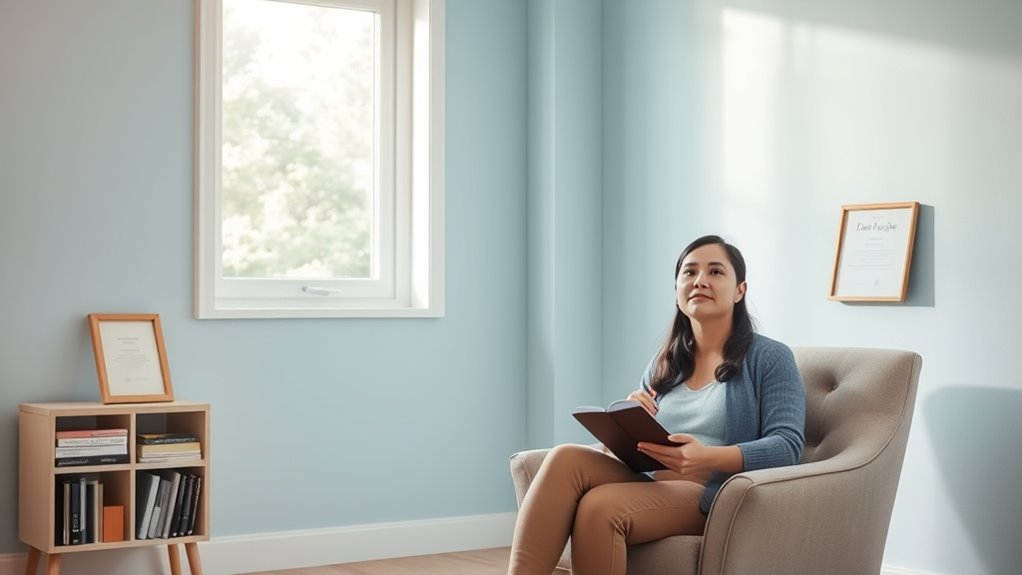
Sometimes, facing persistent claustrophobia can feel overwhelming, and trying to manage it on your own might not be enough. Seeking support and professional help can make a significant difference in your journey. Therapy options like cognitive-behavioral therapy (CBT) are effective for addressing claustrophobia, helping you reframe fears and develop coping strategies. Peer support groups also offer comfort, allowing you to share experiences and gain encouragement from others facing similar challenges. Connecting with mental health professionals ensures you get tailored guidance and tools to manage anxiety in small spaces. Below is a visual guide to support options:
| Support Options | Benefits |
|---|---|
| Therapy options | Personalized strategies, professional guidance |
| Peer support | Shared experiences, emotional encouragement |
Frequently Asked Questions
Can Claustrophobia Develop Suddenly Without Warning?
Yes, claustrophobia can develop suddenly without warning. You might experience panic attacks triggered by environmental factors like crowded spaces or tight areas. These triggers can catch you off guard, causing intense feelings of fear and discomfort. It’s important to recognize your triggers and practice calming techniques. Being aware of your environment helps you manage sudden episodes and reduce your anxiety, even if your claustrophobia seems to appear unexpectedly.
Are There Specific Medications That Help With Claustrophobia?
Yes, certain medication options can help with claustrophobia by providing anxiety relief. You might be prescribed antidepressants like SSRIs or benzodiazepines for short-term relief during panic episodes. Always consult your healthcare provider before starting any medication, as they can recommend the most appropriate option based on your specific needs. Medication can be effective when combined with therapy and coping strategies to manage your claustrophobia better.
How Do I Handle Unexpected Small Space Encounters?
When life gives you unexpected small space encounters, remember that “the only way out is through.” Focus on space adaptation by taking slow, deep breaths to calm your anxiety triggers. Remind yourself that discomfort is temporary and you’re capable of managing it. Ground yourself by focusing on your senses or using mindfulness techniques. With practice, you’ll build resilience and handle these moments more comfortably.
Can Exercise Reduce Claustrophobia Symptoms Effectively?
Yes, exercise can help reduce claustrophobia symptoms effectively. When you exercise, focus on breathing techniques to stay calm and use visual imagery to imagine open spaces, easing your anxiety. Regular physical activity boosts your overall mental health, making it easier to manage feelings of confinement. Incorporating these techniques during exercise can strengthen your coping skills, helping you feel more in control when faced with small spaces.
Is It Possible to Outgrow Claustrophobia Over Time?
Yes, you can outgrow claustrophobia over time. Progression patterns vary, but with consistent effort, many people build emotional resilience that reduces fear responses. You might notice your reactions becoming less intense as you gradually expose yourself to smaller spaces. Keep practicing exposure therapy and stay patient; your fear can diminish, allowing you to experience small spaces more comfortably and regain confidence in challenging environments.
Conclusion
Living with claustrophobia can feel overwhelming, but remember, it’s all about taking small steps to make your space work for you. By recognizing your triggers, creating an inviting environment, and practicing relaxation, you’re building a solid foundation for comfort. Don’t forget, sometimes you need to reach out for support—there’s strength in asking for help. Keep in mind, Rome wasn’t built in a day, so be patient with yourself as you navigate your journey to easier living.