When managing repairs in a small apartment, consider your skill level, the project’s complexity, and available tools. DIY projects are great for simple fixes and can save money, but mistakes might cause costly damage or safety hazards. For bigger or risky jobs, hiring professionals ensures quality work and saves time, especially since they bring their own tools. To make the best choice, weigh the risks and benefits—more helpful tips await if you explore further.
Key Takeaways
- Assess your skill level and the repair’s complexity to decide if DIY is safe and effective.
- Consider space limitations; professional services often manage tools and cleanup, reducing clutter.
- Weigh potential costs: DIY saves labor but may incur expenses from mistakes or tool purchases.
- For safety-critical or complex repairs, hiring professionals ensures quality and reduces risk.
- Simple tasks like patching holes or fixing leaks are suitable for DIY, while extensive projects benefit from expert help.
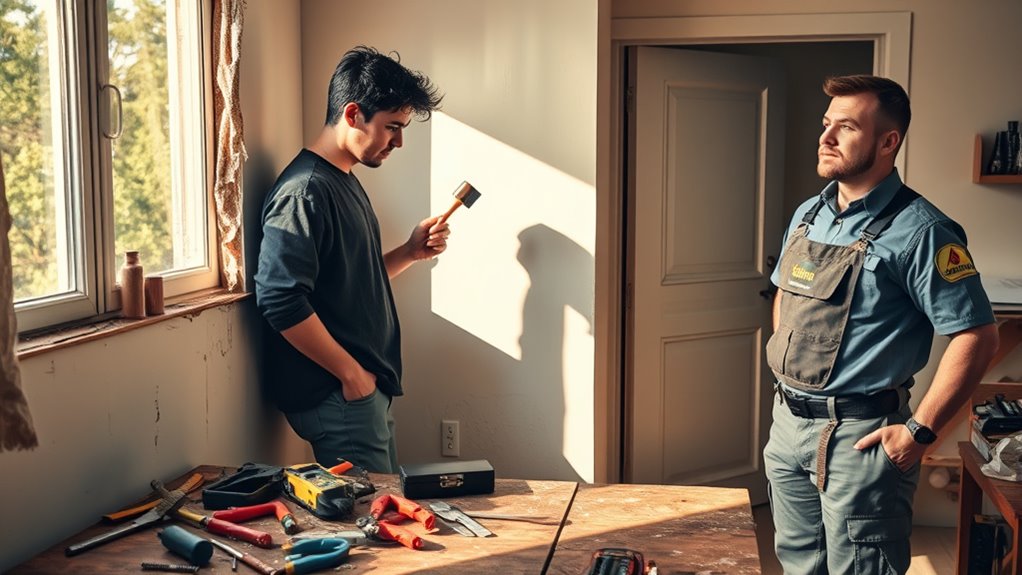
When deciding whether to tackle a project yourself or hire professional help, you need to weigh the costs, time, and skill involved. This is especially true when managing repairs in a small apartment, where space is limited and mistakes can quickly become costly. One of the first steps you should take is careful tool selection. Choosing the right tools is essential because it influences the quality of your work and the ease of completing the task. For simple repairs like fixing a leaky faucet or patching a hole in the wall, basic hand tools might suffice, saving you money. However, for more complex jobs, investing in or renting specialized equipment—such as power drills, tile cutters, or drywall saws—can make the process faster and more effective. By selecting the appropriate tools, you minimize frustration and reduce the risk of damaging surfaces or prolonging the project.
Another critical aspect to consider is the cost comparison. When you DIY, you avoid labor costs but may spend more on tools, materials, and potential mistakes. It’s important to compare the total expenses of doing it yourself versus hiring a professional. Sometimes, the upfront savings of DIY are appealing, but if you lack the necessary skills or tools, costly errors could negate those savings. For instance, improperly installed plumbing or electrical work can lead to water damage or fire hazards, which might require expensive repairs later. On the other hand, hiring a professional might seem costly initially but offers peace of mind, guaranteed work, and often faster completion. They also bring their own set of tools, which you might not need to purchase or rent for just one project. Additionally, understanding the contrast ratio of a projector can significantly affect your viewing experience, especially in small spaces where lighting conditions vary.
In small apartments, space constraints add another layer of complexity. When doing repairs yourself, you need to organize tools and materials carefully so they don’t clutter your living space. If the project involves large equipment or extensive work, hiring professionals might be more practical because they manage their own tools and cleanup. Ultimately, your decision hinges on evaluating your own skill level, the complexity of the repair, and the true costs involved. If you’re comfortable with basic tools, have the time to learn, and want to save money, DIY can be satisfying and budget-friendly. But for intricate or dangerous repairs, it’s wise to compare costs thoroughly and consider professional help to guarantee safety, quality, and peace of mind.

Amazon Basics 142-Piece Household Tool Kit for Home Repair, Hand Tools with Storage Case, 13.39 x 9.25 x 2.95 inch, Turquoise
142-piece tool set for everyday household projects, repairs, and DIY tasks
As an affiliate, we earn on qualifying purchases.
As an affiliate, we earn on qualifying purchases.
Frequently Asked Questions
What Safety Precautions Should I Take During DIY Repairs?
You should prioritize tool safety by always wearing protective gear like gloves and goggles. Make sure you understand how each tool works before use, and keep your workspace organized to prevent accidents. Be aware of potential hazards, such as electrical wires or sharp objects, and turn off power sources when necessary. Following these safety precautions helps you stay safe, reduces risks, and guarantees your DIY repairs go smoothly.
How Do I Determine if a Repair Requires Professional Licensing?
You should check license requirements based on the repair’s complexity and local regulations. If the repair involves electrical, plumbing, or structural work, it likely needs a licensed professional. Research your city or state’s rules online or contact your local licensing board. When in doubt, consult a professional to avoid legal issues or future problems. Remember, handling complex repairs without proper licensing can lead to fines or unsafe conditions.
What Are the Costs Involved in Hiring a Handyman Versus DIY Supplies?
Hiring a handyman involves costs like material expenses and labor fees, which can vary based on the job’s complexity. You might pay for supplies, tools, and the handyman’s hourly rate. In contrast, DIY supplies usually cost less, covering basic materials like paint, screws, or fixtures. However, consider your skill level—if the repair is complicated, hiring a professional can save money and prevent future issues, despite higher initial costs.
How Can I Find Reliable Local Repair Professionals?
To find trustworthy local repair professionals, start by asking friends, family, or neighbors for referrals. Check online review platforms like Yelp or Google Reviews to see others’ experiences. Look for professionals with high ratings and detailed feedback. Verify their licenses and insurance to guarantee reliability. By combining trustworthy referrals with positive online reviews, you can confidently select a skilled and dependable repair professional for your small apartment.
What Should I Do if a DIY Repair Goes Wrong?
If a DIY repair goes wrong, first stop and assess the damage. You might need to file an insurance claim if it caused significant harm or property issues. Check if your repair has a warranty; if so, contact the manufacturer or service provider for repairs or replacements. To prevent future problems, consider consulting a professional for complex repairs and keep records of any warranties or insurance claims.
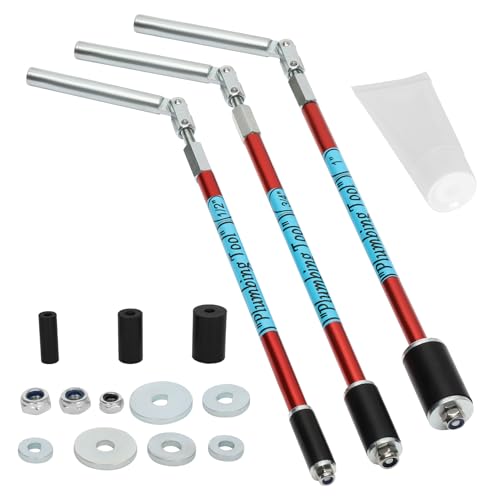
Plumbing Plug Tool Kit (3 Tools) for 1/2", 3/4" and 1" Sized Pipes, Plumbing Plugs for Fast Water Line Repairs, with Replacement Parts Gasket Nut, No Draining Needed
2062 Plumbing Plug Tool: Includes 1/2 ", 3/4 ", and 1 "3 sizes of tools with replacement gaskets…
As an affiliate, we earn on qualifying purchases.
As an affiliate, we earn on qualifying purchases.
Conclusion
Choosing between DIY and hiring help is like steering a tightrope—balance is key. You’ll weigh your skills, time, and budget to find the best path forward. Remember, sometimes a steady hand and expert tools make all the difference, while other times, your own ingenuity can save the day. Trust your judgment, but don’t hesitate to call in a pro when the climb feels too steep. With the right approach, your small apartment can shine brighter than ever.

Drywall Repair Kit Drywall Hole Repair Patch Kits Wall Spackle Repair Paste with 8.5OZ White Wall Repair Putty with Scraper, Wall Surface Hole Fill Quick and Easy Solution (1Pack)
Complete Repair Kit: Contains 1 pieces repair putty(8.5oz), 2 inch wall repair patches(2pcs), 4 inch wall repair patches(1pcs),…
As an affiliate, we earn on qualifying purchases.
As an affiliate, we earn on qualifying purchases.

Sundpey Tool Kit with 21V Drill – 170-PCs Portable General Basic Home Repair Tool Set with Power Drill & 2.0Ah Battery & Charger & Tool Box for Homeowner Drilling DIY Projects House Repairs & Handyman
Fully Equipped: Essential hand tools: claw hammer, adjustable wrench, wire pliers, needle-nose pliers, measuring tape (metric and imperial),…
As an affiliate, we earn on qualifying purchases.
As an affiliate, we earn on qualifying purchases.