

To organize a shared kitchen in a roommate apartment, establish clear routines for meal prep and cleaning, and use shared schedules or charts so everyone knows their responsibilities. Promote open communication and quick conflict resolution to keep the space harmonious. Store supplies accessibly, rotate chores, and keep the space tidy to prevent clutter. If you want to create a stress-free, efficient kitchen environment, focusing on these strategies can make a big difference—learn more to get started.
Key Takeaways
- Establish clear routines for meal prep and cooking schedules to ensure fair sharing and prevent kitchen congestion.
- Create a rotating cleaning schedule with designated chores to maintain hygiene and organization.
- Use shared checklists and labels to promote clear communication and reduce misunderstandings.
- Store supplies accessibly and keep the kitchen tidy to foster a hygienic and efficient environment.
- Encourage shared responsibility and respectful use of space to promote a comfortable and stress-free living situation.

Sharing a kitchen can be a great way to save space and resources, but it also requires organization to keep things running smoothly. When you’re living with roommates, establishing clear routines around meal prep and cleaning schedules becomes essential. It’s easy for clutter to pile up or for misunderstandings to occur if everyone isn’t on the same page. To prevent this, start by setting up a shared calendar or a simple chart that outlines when each person plans to do meal prep or clean the kitchen. This helps avoid conflicts and ensures everyone knows their responsibilities. For meal prep, consider dividing the week so each roommate knows which days they’re responsible for preparing food. This way, the kitchen doesn’t get overwhelmed, and everyone can enjoy home-cooked meals without last-minute rushes. If meal prep is a group activity, schedule specific times to cook together, which can also foster a sense of teamwork and camaraderie.
When it comes to cleaning, a well-organized schedule keeps the space tidy and hygienic. Decide as a household how often the kitchen should be cleaned—whether it’s daily quick wipe-downs or a more thorough deep clean once a week. Use a shared checklist or a rotating system so everyone contributes equally. Clear rules about washing dishes immediately after use, wiping down counters, and taking out the trash prevent clutter from piling up. It’s also helpful to assign specific chores, like cleaning the stove or sanitizing the fridge, to different roommates. Keep cleaning supplies in accessible locations, and make sure everyone knows where to find and return them. This minimizes excuses for neglecting chores and keeps the kitchen inviting for everyone.
Communication is key to maintaining an organized shared kitchen. Regularly check in with your roommates about how the cleaning schedules and meal prep routines are working. If conflicts or issues arise, address them promptly, and be flexible enough to adjust the system if needed. Encouraging everyone to respect each other’s space by labeling personal items and not leaving food or utensils in shared areas can also help reduce misunderstandings. Remember, a well-organized kitchen isn’t just about keeping things neat—it’s about creating a space where everyone feels comfortable and responsible. When everyone contributes to maintaining order, the shared kitchen becomes a functional, enjoyable part of your home rather than a source of stress.

PRAKI Airtight Food Storage Containers Set with Lids – 24 PCS, BPA Free Kitchen and Pantry Organization, Plastic Leak-proof Canisters for Cereal Flour & Sugar – Labels & Marker(Grey)
Bundle Set: This kitchen & pantry organizers and storage set comes with 24 containers, they are inlaid together,…
As an affiliate, we earn on qualifying purchases.
As an affiliate, we earn on qualifying purchases.
Frequently Asked Questions
How Should We Handle Cleaning Schedules?
You should create a cleaning schedule that fits everyone’s meal prep routines, so chores are evenly divided and manageable. Assign specific days for tasks like wiping counters, cleaning appliances, and taking out trash. Make sure everyone understands their responsibilities, especially for appliance maintenance, to keep the kitchen tidy and functional. Using a shared calendar or app helps track chores, ensuring the kitchen stays clean and everyone stays accountable.
What if Someone Doesn’T Follow the Rules?
You might wonder if rule enforcement works when someone doesn’t follow the rules. It’s essential to address guest responsibilities directly and calmly, reminding your roommate of agreed-upon standards. If they continue to ignore rules, consider holding a discussion to clarify expectations and establish consequences. Staying consistent and respectful helps everyone understand that rule enforcement isn’t about punishment but maintaining a harmonious shared space.
How Do We Divide Grocery Expenses Fairly?
You should start by discussing meal planning together, so everyone knows what to buy and share costs fairly. Use a shared budget tracking app to record expenses, making sure each person contributes their fair share. Regularly review the expenses, adjust as needed, and communicate openly. This approach keeps grocery expenses transparent, fair, and helps prevent disagreements, ensuring everyone feels responsible and satisfied with how costs are divided.
What Storage Solutions Work Best for Limited Space?
If you’re dealing with limited space, try using shelf organizers to maximize vertical storage and keep everything visible. For example, a roommate installed adjustable shelf organizers in their pantry, creating separate zones for spices, canned goods, and snacks. Pair this with compact containers for dry ingredients, which save space and prevent clutter. This setup keeps your shared kitchen organized, accessible, and efficient, making the most of every inch you have.
How to Resolve Conflicts Over Kitchen Usage?
You can resolve conflicts over kitchen usage by establishing clear ground rules, like designated times for meal planning and appliance sharing. Communicate openly with your roommates about your schedules and preferences, and set shared expectations for cleaning and usage. Creating a schedule or rotating system helps make certain everyone gets fair access, reducing tension and making the shared kitchen a more harmonious space for all.

PigPotParty Acrylic Magnetic Monthly Chore Chart for Multiple Kids Roommates – 12"x9.5" Rotating Weekly Task Board for Kids Students Families, Clear Dry Erase Fridge Chart, w/ 8 Markers & 1 Towel
Perfect for Dorm Life – Fair & Efficient Monthly Chore Rotation: Designed with four weekly sections to assign…
As an affiliate, we earn on qualifying purchases.
As an affiliate, we earn on qualifying purchases.
Conclusion
By setting clear boundaries, communicating openly, and respecting each other’s space, you create a harmonious shared kitchen. Keep everything organized and stick to your agreements to avoid conflicts. Remember, a well-kept kitchen is a shared responsibility—”Many hands make light work.” When everyone pitches in and stays considerate, your shared space becomes a place where you can all enjoy cooking and eating together peacefully.

300pcs Removable Freezer Labels, Yoget 1 x 3 Inch Food Storage Stickers, Refrigerator Freezer Paper Label Easy Clean Leaves No Residue, 2 Color Food Labels Roll
【Full Confidence for the freezer food】Just a quick glance to get the food validity with our food storage…
As an affiliate, we earn on qualifying purchases.
As an affiliate, we earn on qualifying purchases.
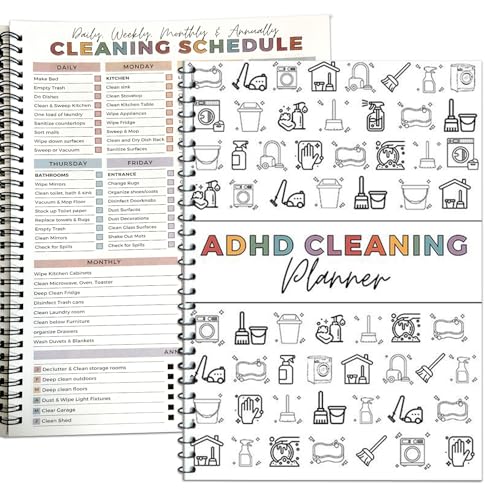
Adhd Cleaning Planner,Household Cleaning Planner, Daily, Weekly And Monthly House Cleaning Schedule And Checklist, Kitchen Bathroom Bedroom Specific Cleaning Schedules
Product Includes: A cleaning checklist notebook, 21 cm/8.27 inches long and 28.5 cm/11.22 inches wide, rationally allocating daily,…
As an affiliate, we earn on qualifying purchases.
As an affiliate, we earn on qualifying purchases.