
Bed placement in small bedrooms is definitely a must for good Feng Shui. Proper positioning can improve your sleep, boost positive energy flow, and create a sense of safety and comfort. Avoid placing your bed directly under windows or in line with the door, and choose a commanding position where you can see the entrance. Small adjustments can make a big difference—keep these tips in mind, and you’ll discover more ways to transform your space harmony.
Key Takeaways
- Proper bed placement enhances energy flow and relaxation, making it a vital Feng Shui practice regardless of room size.
- Positioning the bed against a solid wall and away from door or window lines promotes safety and stability.
- Small bedrooms benefit from strategic placement to maximize space, support, and positive energy circulation.
- Myth: Feng Shui bed placement is less important in small rooms; reality: it significantly impacts sleep quality and harmony.
- Practical Feng Shui tips include avoiding clutter and choosing calming colors to complement optimal bed positioning.
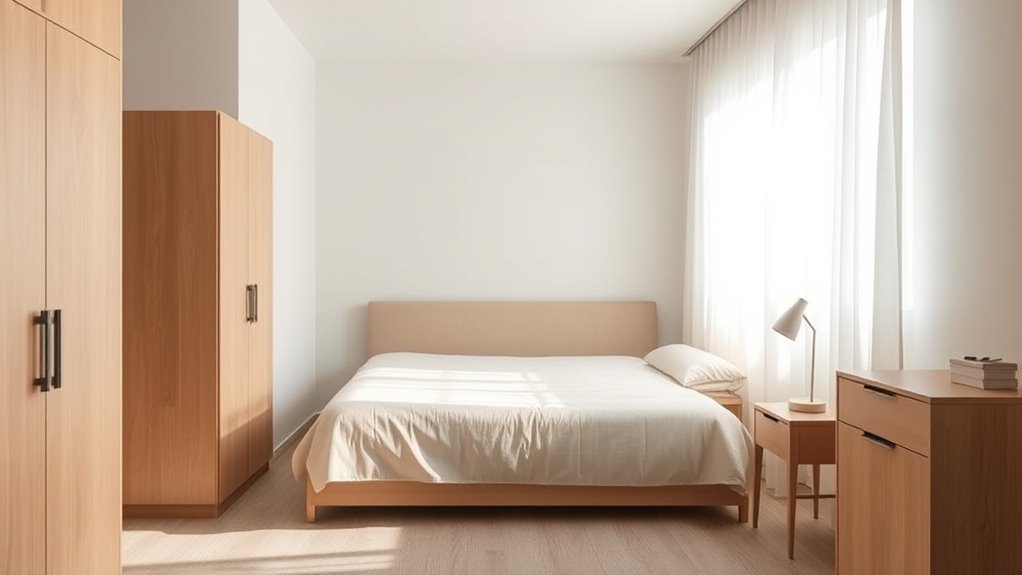
When it comes to creating a peaceful and restorative bedroom, proper bed placement plays a crucial role in Feng Shui. The way you position your bed can influence energy flow, mood, and overall harmony in your space. In small bedrooms, this becomes even more critical because limited space can easily disrupt the balance if not arranged thoughtfully. Bed placement Feng Shui emphasizes positioning your bed so that you feel secure and relaxed, which often means avoiding direct alignment with doors or windows. Ideally, you want to place your bed against a solid wall, giving you a sense of support and stability. This setup minimizes energy disturbances and helps you feel grounded when you rest.
In small rooms, maximizing space is key, but you shouldn’t sacrifice the principles of good feng shui. For bedroom color choices, opt for calming hues like soft blues, gentle greens, or warm neutrals, which promote relaxation and positive energy. These colors act as a visual anchor and can make a compact space feel more open and peaceful. When choosing your bedroom colors, keep in mind that lighter shades tend to reflect more light, creating a sense of spaciousness, while darker tones can make a room feel cozy but potentially cramped if overused. Balancing these choices with the right bed placement ensures that you cultivate a harmonious environment.
You might wonder whether bed placement Feng Shui is a strict rule or just a myth, especially in small bedrooms. The truth is, even in limited spaces, mindful positioning can profoundly influence your sleep quality and energy flow. It’s about creating a sense of safety and comfort, which directly impacts your well-being. For example, avoid placing your bed directly under a window or in line with the door, as this can cause restless nights. Instead, find a corner where you have a clear view of the door but are not directly in line with it. This “command position” allows you to see who enters the room and feel more in control, fostering peace of mind. Additionally, understanding the thermal behavior of your space can help you optimize comfort and energy balance within your small bedroom.
While some might think that perfect bed placement in a small room is a myth, it’s more about making the most of what you have. Adjusting your bed’s position, choosing the right colors, and avoiding clutter can turn even a tiny space into a sanctuary. It’s not about perfection but about creating an environment where energy flows smoothly, your mind relaxes, and your sleep improves. In the end, small adjustments grounded in Feng Shui principles can make a big difference in transforming your bedroom into a restful retreat.
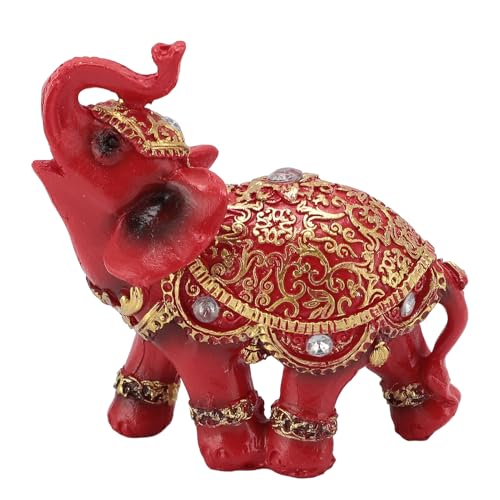
Srliya Feng Shui Elephant Figurine Home Decor Elephant Statue Lucky Feng Shui Wealth Sculpture Gum Red, Elegant, Good Luck Ambiance for Bedroom, Office, or Cafe (Small Size)
SIGN OF LUCK: In ancient cultures, feng shui holds significant importance as a sign of wealth and luck….
As an affiliate, we earn on qualifying purchases.
As an affiliate, we earn on qualifying purchases.
Frequently Asked Questions
Does Bed Placement Affect Sleep Quality According to Feng Shui?
Yes, bed placement affects your sleep quality according to feng shui. Proper sleep positioning guarantees good energy flow around your bed, helping you feel more rested. When you position your bed away from doorways and windows, you promote stability and calmness. Avoid placing your bed directly under beams or against cold walls. This way, you create a harmonious environment that supports restful sleep and positive energy, improving your overall well-being.
Can Feng Shui Principles Be Adapted for Modern Small Bedrooms?
Yes, you can definitely adapt feng shui principles for modern small bedrooms. Focus on minimalist decor to reduce clutter and create calm, while smart lighting strategies brighten or soften spaces to influence energy flow. Prioritize position and placement, ensuring your bed is in a commanding yet harmonious spot. By blending traditional feng shui with contemporary comforts, you foster a balanced, beautiful, and blissful bedroom environment.
Are There Specific Colors to Enhance Feng Shui in Small Bedrooms?
Yes, specific colors can enhance feng shui in small bedrooms. You should choose colors based on color psychology to promote calmness and positivity, like soft blues, greens, or earth tones. These hues create visual harmony, making your space feel more balanced and restful. Avoid overly bright or dark shades that can disrupt energy flow. By selecting the right colors, you foster a peaceful environment that supports restful sleep and overall well-being.
How Does Mirror Placement Influence Feng Shui in a Bedroom?
Imagine your bedroom reflection is a mirror maze, confusing your energy. Proper mirror placement clears this chaos, enhancing feng shui. You should avoid placing mirrors directly facing the bed, as they can disrupt rest and create restless energy. Instead, position mirrors so they reflect calming views or your room’s beauty. This balance helps energy flow smoothly, making your space feel peaceful, spacious, and filled with positive vibes.
Is It Necessary to Follow Feng Shui Rules Exactly or Adapt Them?
You don’t have to follow feng shui rules exactly; personalization and flexibility matter most. Whether you prefer traditional or modern styles, adapt the principles to suit your space and preferences. Focus on creating a balanced, peaceful environment that feels right for you. Use feng shui as a guide, but don’t stress over strict adherence—trust your instincts and customize your bedroom for comfort and harmony.

AMERLIFE Solid Wood Full Size Storage Bed Frame with Headboard, Platform Bedframe with 2 Storage Drawers, Beadboard Design & Wooden Slats/No Box Spring Needed/Noise-Free, Espresso Brown Finish
【Versatile Modern Style】Made from pine solid wood with a smooth white finish, this wooden storage bed features rounded…
As an affiliate, we earn on qualifying purchases.
As an affiliate, we earn on qualifying purchases.
Conclusion
Ultimately, following bed placement feng shui in small bedrooms isn’t about strict rules but creating harmony, like a well-tuned instrument. Trust your intuition and prioritize comfort over rigid guidelines. Remember, a good night’s sleep depends on your peace of mind, not just perfect positioning. So, experiment with your space, and find what feels right—after all, your bedroom should be a sanctuary, as calming as a gentle breeze on a warm day.

Comfort In Color Fabric Paint Pots Set with Paint and Brush (6 Colors)
6 Vibrant Colors: Includes White, Blue, Red, Yellow, Green, and Black fabric paint pots, perfect for creating colorful…
As an affiliate, we earn on qualifying purchases.
As an affiliate, we earn on qualifying purchases.

Ancestral Supplements Mofo, Supplements for Men, Support for Energy Levels and Overall Men's Health and Wellness, Non-GMO Grass Fed Beef Organ Supplement with Liver, No Fillers, 180 Capsules
GRASS-FED ORGANS FROM NEW ZEALAND: Sourced from 100% grass-fed, pasture-raised cattle — hormone-free, pesticide-free, and non-GMO.
As an affiliate, we earn on qualifying purchases.
As an affiliate, we earn on qualifying purchases.